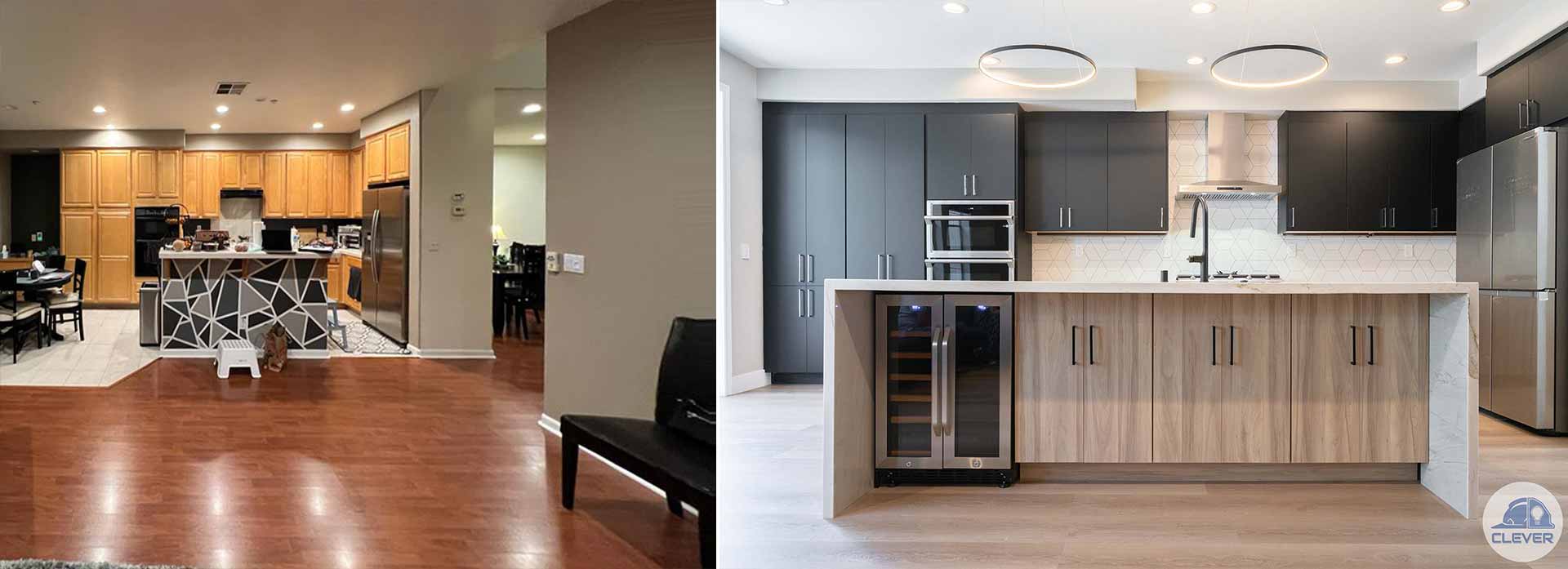

Sticker shock usually hits at the same moment – when a Bay Area homeowner realizes their “simple kitchen update” includes design decisions, permit questions, and labor rates that look very different from national averages. A real cost breakdown for kitchen remodel Bay Area projects has to account for local housing conditions, premium trades, older-home surprises, and the level of finish you want to live with every day.
That is why kitchen budgets here can swing so widely. A straightforward refresh in a condo kitchen is not priced the same as a full reconfiguration in a 1920s San Francisco home, and neither should be compared to a luxury open-concept remodel in Palo Alto. Good planning starts with clarity, not generic numbers.
What a kitchen remodel costs in the Bay Area
For most homeowners, a Bay Area kitchen remodel falls somewhere between $60,000 and $180,000+, with some projects landing below or well above that depending on scope. A cosmetic remodel with existing layout retention may start around $60,000 to $85,000. A mid-range remodel with better materials, some electrical and plumbing upgrades, and semi-custom cabinetry often lands around $85,000 to $130,000. A high-end remodel with layout changes, custom cabinets, premium appliances, stone slabs, and detailed finish work can reach $130,000 to $180,000 or more.
Those ranges are broad because the word kitchen remodel covers very different levels of intervention. If you are only replacing surfaces, the budget behaves one way. If you are opening walls, moving gas lines, upgrading service panels, or correcting old framing, the budget changes fast.
Cost breakdown for kitchen remodel Bay Area homeowners can expect
The most useful way to look at a kitchen budget is by category rather than by one total number. That helps you see where design choices add value and where hidden conditions can affect cost.
Cabinetry and hardware
Cabinetry is often the single biggest line item. In the Bay Area, stock or budget-friendly cabinet packages may start around $15,000 to $25,000 installed for smaller kitchens, while semi-custom cabinetry often ranges from $25,000 to $45,000. Fully custom cabinetry with interior accessories, specialty storage, integrated panels, and refined finishes can move from $45,000 to $70,000 or higher.
Hardware matters too. It is a smaller percentage of the budget, but quality pulls, hinges, and drawer systems affect how the kitchen feels every day. This is one of those categories where a modest visual choice can still carry a premium if the hardware is built to last.
Countertops and backsplash
Countertops usually range from $5,000 to $15,000+, depending on material choice, edge profile, slab size, and fabrication complexity. Quartz is popular because it gives a clean, durable finish with predictable maintenance. Natural stone can cost more, especially if you choose dramatic veining, full-height slab backsplashes, or waterfall edges.
Backsplash pricing varies just as much. A simple tile backsplash may stay in the low thousands, while handmade tile, slab stone continuation, or detailed installation patterns can noticeably raise the finish budget.
Appliances and ventilation
Appliance budgets often fall between $8,000 and $30,000+. A practical suite with reliable mid-range brands may stay near the lower end. Built-in refrigeration, pro-style ranges, speed ovens, wine storage, integrated dishwashers, and custom hood systems can move this category up quickly.
Ventilation deserves more attention than many homeowners expect. In tighter Bay Area homes, especially where kitchens open to living spaces, a good hood and proper ducting are not just about cooking comfort. They affect indoor air quality, noise levels, and long-term livability.
Flooring, paint, and finish surfaces
Flooring can range from about $4,000 to $12,000 or more depending on square footage, subfloor condition, and material. Engineered hardwood, tile, and luxury vinyl all carry different installation demands. In older homes, floor leveling or transitions into adjacent rooms can add labor even if the material itself seems reasonable.
Painting and finish work may look minor on paper, but a kitchen with detailed trim, repaired drywall, and smooth transitions typically needs skilled finishing. Expect several thousand dollars here, especially if the remodel touches neighboring walls or ceilings.
Plumbing, electrical, and lighting
If the layout stays the same, plumbing costs may remain relatively controlled. Once you move a sink, dishwasher, pot filler, gas line, or water line for a refrigerator, costs increase. Plumbing work often lands in the $3,000 to $10,000+ range, with larger changes going higher.
Electrical is another major budget driver in Bay Area remodels. You may need dedicated appliance circuits, under-cabinet lighting, recessed lighting, island pendants, code upgrades, or even a panel upgrade. Depending on complexity, electrical work may range from $5,000 to $20,000+. Homes with older wiring frequently need more correction than the homeowner expected.
Labor, demolition, and project management
Labor rates in the Bay Area are a defining factor in any kitchen remodel budget. Skilled trades, insured crews, supervision, scheduling, site protection, and quality control all have real cost. Demolition and rough construction may be one part of this, but so are finish carpentry, tile installation, punch work, and coordination across every phase.
In a design-build setting, project management is not an extra luxury. It is often what keeps the budget and schedule from drifting. Clear documentation, selections made before construction, and disciplined sequencing reduce expensive mid-project decisions.
Design, engineering, and permits
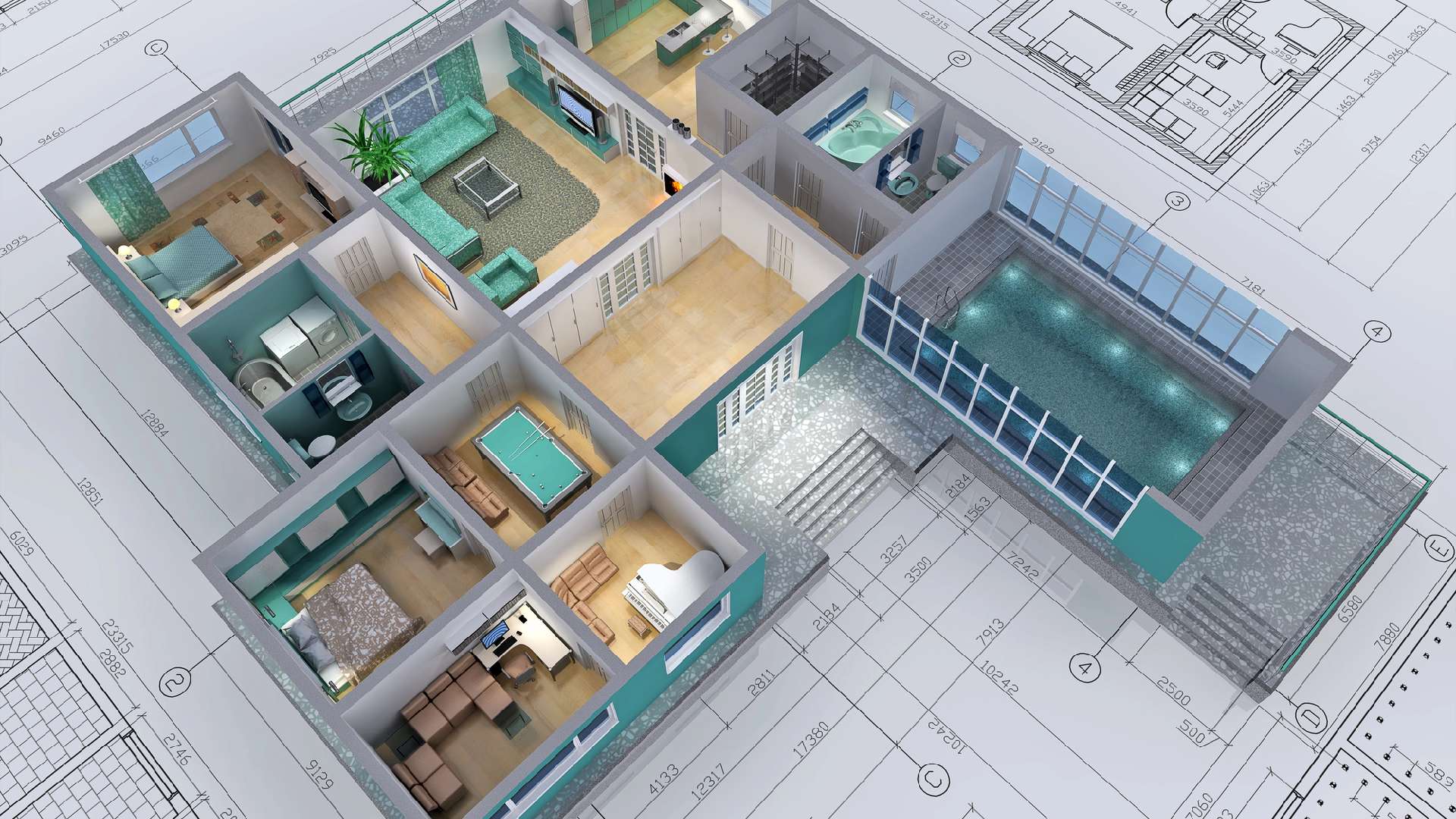
This is where many online kitchen calculators fall apart. Bay Area projects often involve design development, measured plans, 3D renderings, structural or MEP coordination, and city permits. Depending on the home and the amount of change, design and pre-construction services can account for a meaningful share of the total investment.
Permits vary by city and scope, but they should never be treated as an afterthought. If walls are moving, systems are changing, or inspections are required, permit readiness protects both the project and the homeowner.
Why Bay Area kitchen remodeling costs run higher
The local premium is not just about expensive ZIP codes. It comes from a combination of factors that shape both the construction process and the design standards homeowners expect.
First, the housing stock is complex. Many homes in San Francisco, San Mateo, Alameda, and Santa Clara counties were not built for modern kitchen loads, appliance packages, or open-plan living. Once walls open up, contractors may find outdated wiring, old plumbing, uneven framing, or signs of moisture damage.
Second, local labor and compliance costs are higher. Licensed, bonded, and insured professionals working under a structured process are not competing with generic national pricing. Homeowners are paying for craft, accountability, and risk management, which matters on high-value properties.
Third, expectations are different. In the Bay Area, kitchens often need to do more than cook. They serve as family gathering spaces, work-from-home backdrops, and high-impact resale features. That raises the design bar.
Where budgets change the fastest
The biggest cost jumps usually come from layout changes, custom work, and hidden conditions. Moving walls, relocating plumbing, changing window or door openings, and adding structural support all increase both construction and permitting complexity.
Custom cabinetry is another major swing factor. It delivers a more tailored result, especially in older homes with irregular dimensions, but it also pushes the budget upward. The same is true for luxury appliances and slab-forward finishes.
Then there are the surprises. Once demolition starts, existing conditions can force decisions that were never visible during the planning stage. A disciplined pre-construction process reduces that risk, but older homes always carry some uncertainty.
How to build a smarter kitchen budget
Start by deciding what kind of transformation you actually want. If your layout works and your pain points are mostly aesthetic, a more focused remodel may deliver strong value without the cost of major infrastructure changes. If the kitchen is undersized, disconnected, or fundamentally inefficient, partial improvements may only postpone the real project.
It also helps to separate must-haves from design ambitions. Better storage, improved lighting, and more functional workflow often improve daily life more than a long list of premium upgrades. The best kitchens balance beauty with restraint.
A contingency is essential, especially in older Bay Area homes. Many homeowners reserve 10 to 20 percent depending on scope and property age. That is not pessimism. It is simply responsible planning.
A realistic approach to value
A kitchen remodel should support both how you live now and how your home performs over time. The right investment is not always the biggest one. It is the one that aligns layout, finish level, and construction scope with the character of the home and the neighborhood.
For homeowners who want strong design and disciplined execution, working with a team that integrates planning, material selections, permit preparation, and construction management usually leads to better budget control. Clever Design & Remodeling approaches kitchens this way because transparent support upfront creates fewer compromises later.
The most helpful place to start is not with the cheapest number. It is with an honest plan – one that respects your home, your priorities, and the level of craftsmanship you want to see every morning when the lights come on.