
You can feel it the moment a remodel goes sideways: a designer sketch that ignores real-world framing, a “great deal” bid that balloons after demo, or a permit delay that turns one month into a season. In the Bay Area, where older homes meet modern expectations and city requirements vary block by block, the process matters as much as the finishes.
Design-build exists to solve that friction. One accountable team carries the project from concept through construction, so the creative vision and the construction realities stay aligned. The result is typically fewer surprises, clearer timelines, and decisions that stick.
Why the design-build remodeling process steps matter
A traditional design-bid-build path can work, but it often creates handoffs. The designer finishes plans, the contractor bids, then everyone discovers what was implied but not detailed. That’s where budgets drift and schedules wobble.
Design-build compresses those handoffs into one coordinated flow. It’s not magic – you still have to make good decisions, and you still have to respect permitting and lead times – but it replaces guesswork with a disciplined sequence. When homeowners ask how to protect both the aesthetic and the investment, the answer is usually “clarify the steps and commit to them.”
Design build remodeling process steps (what to expect)
The exact number of steps can vary by firm and project type, but the best workflows follow the same logic: define goals, prove feasibility, design with real pricing, secure approvals, then build with tight communication.
1) Consultation that focuses on real constraints
A productive first conversation is not a mood board review. It’s a clear, homeowner-centered interview: what isn’t working, what needs to change, and what constraints are non-negotiable.
In Bay Area homes, those constraints often include tight footprints, quirky existing conditions, aging electrical or plumbing, and a strong desire to improve value without overbuilding for the neighborhood. If you’re planning an addition or ADU, zoning and setback realities enter the room immediately.
2) Site visit and existing-condition discovery
The site visit is where the dream meets the house you actually own. Measurements, photos, and a field read on structure and utilities help prevent “paper design” that collapses during demo.
This is also the moment a strong team flags early risk: outdated panels, undersized drains, unreinforced foundations, or water damage that could influence scope. You’re not trying to predict every hidden condition, but you are trying to price and plan like an adult, not an optimist.
3) Project definition: scope, priorities, and investment range
Once the goals are clear, the next step is defining what “done” means. For a kitchen, it might include layout changes, structural openings, new electrical plan, and a full cabinet package. For a whole-home renovation, it may involve phases, temporary living plans, and a strategy for systems upgrades.
A design-build team should help you draw a bright line between must-haves and nice-to-haves. That line becomes your safeguard later, when you’re choosing between a stunning slab and a schedule-friendly alternative.
4) Concept design that solves layout and flow first
The early design phase should prioritize function: circulation, storage, light, and proportions. This is where smart design earns its keep. The goal is not to pick every finish. The goal is to land on a layout you won’t regret.
If you’re remodeling to support work-from-home, multigenerational living, or a growing family, this is the right time to engineer those needs into the plan. Moving a wall after permitting is painful. Moving it on paper is strategy.
5) 3D renderings that reduce second-guessing
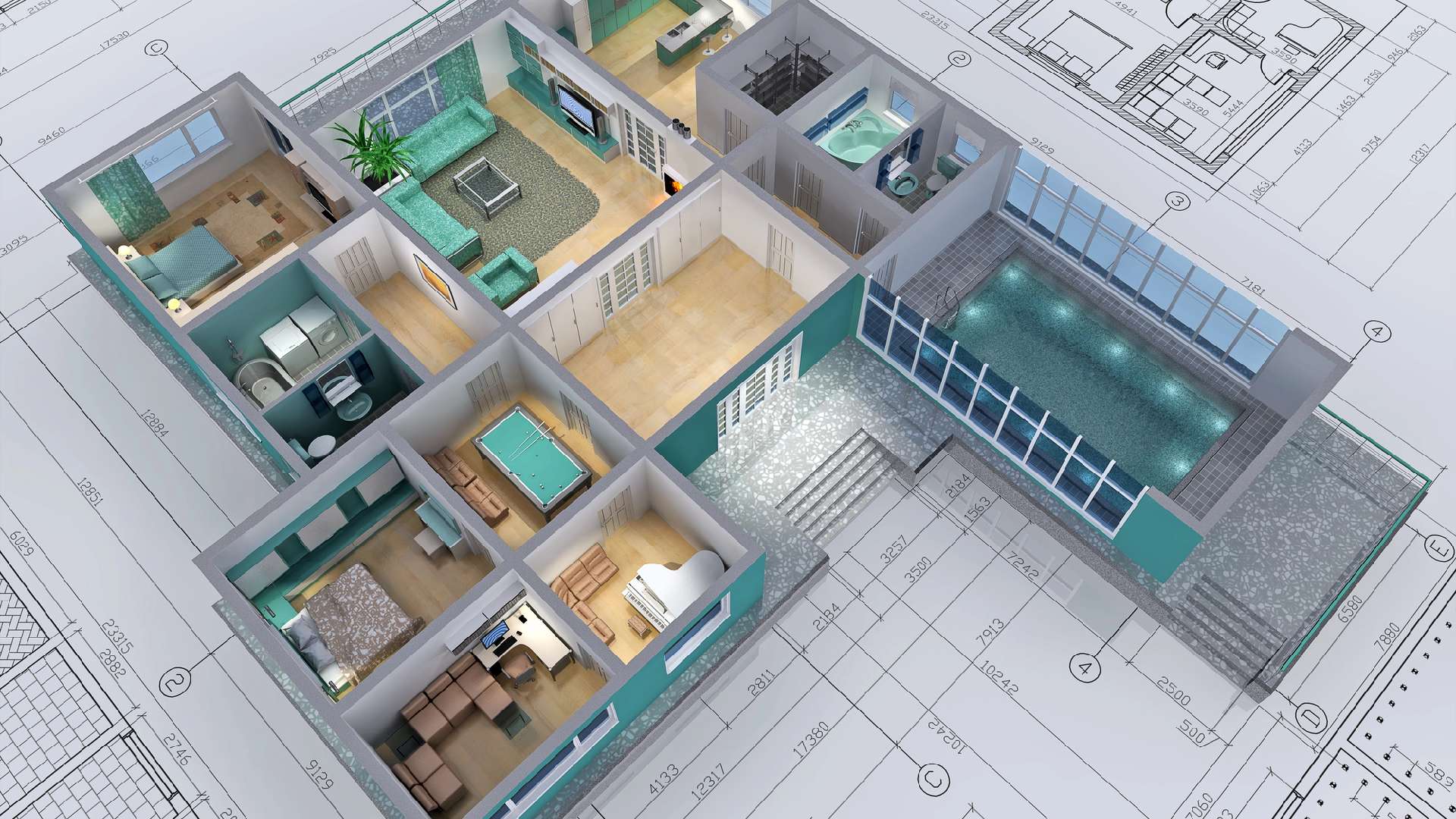
In high-investment remodels, 3D design isn’t a luxury. It’s a clarity tool. Renderings help you see cabinet heights, tile scale, lighting placement, and the overall balance of the space.
The trade-off is that 3D can tempt homeowners into “just one more option” mode. A strong process keeps creative exploration purposeful: iterate until the design matches your priorities, then lock decisions so the project can move forward.
6) Engineering coordination and constructability review
This step is where design-build really proves its value. Structural changes, beam sizing, shear requirements, and load paths should be coordinated before you chase permits.
Constructability matters too. Can the window you want actually fit the wall thickness? Does the open-concept plan require rerouting HVAC? Will the new shower layout trigger a drain relocation that impacts the floor system? Catching these questions pre-permit protects both the budget and the schedule.
7) Detailed pricing, allowances, and the “what’s included” conversation
Homeowners want a number they can trust. Contractors want a scope they can actually build. Transparent pricing lives in the overlap.
A disciplined design-build team will break down what is included, what is excluded, and what is carried as an allowance. Allowances are not “bad,” but they should be realistic and aligned with your taste level. If you love premium fixtures and custom cabinetry, a bargain allowance is just future stress.
This is also where you should talk about contingency. Older Bay Area homes can hide surprises. The honest approach is to plan for them instead of pretending they won’t happen.
8) Permit readiness and city submittals
Permitting is not just paperwork. It’s a timeline driver. A permit-ready set typically requires clear plans, engineering, energy documentation where applicable, and responses to city comments.
“It depends” is real here. A bathroom refresh with no layout change may be straightforward, while an addition or ADU can involve planning review, neighbor considerations, and longer lead times. The point of a structured process is that you’re not waiting to discover these realities after demolition is scheduled.
9) Pre-construction planning: schedule, procurement, and protection
The best builds start before a single cabinet is removed. Pre-construction is where your team finalizes the schedule, orders long-lead items, confirms access plans, and sets expectations for living-in-place.
Protection plans matter in occupied homes: dust control, floor coverings, and safe pathways. So does procurement discipline. If your tile is backordered, the schedule should reflect that truth. A beautiful design does not help if the materials arrive after the crew is ready.
10) Construction with consistent communication
Construction is where craftsmanship and management have to work together. A design-build remodel should run with a clear chain of communication: who you contact, when updates happen, and how changes are documented.
Expect a rhythm that includes progress check-ins, selections confirmation, and quick resolution of field questions. When surprises appear – and they can – the right team shows you options with cost and schedule impacts, then lets you decide with full information.
A note on changes: homeowners often fear that asking for a change is “being difficult.” The healthier framing is this: changes are normal, but they must be managed. Written change orders, updated timelines, and pricing clarity are what keep a relationship strong.
What the process looks like by project type
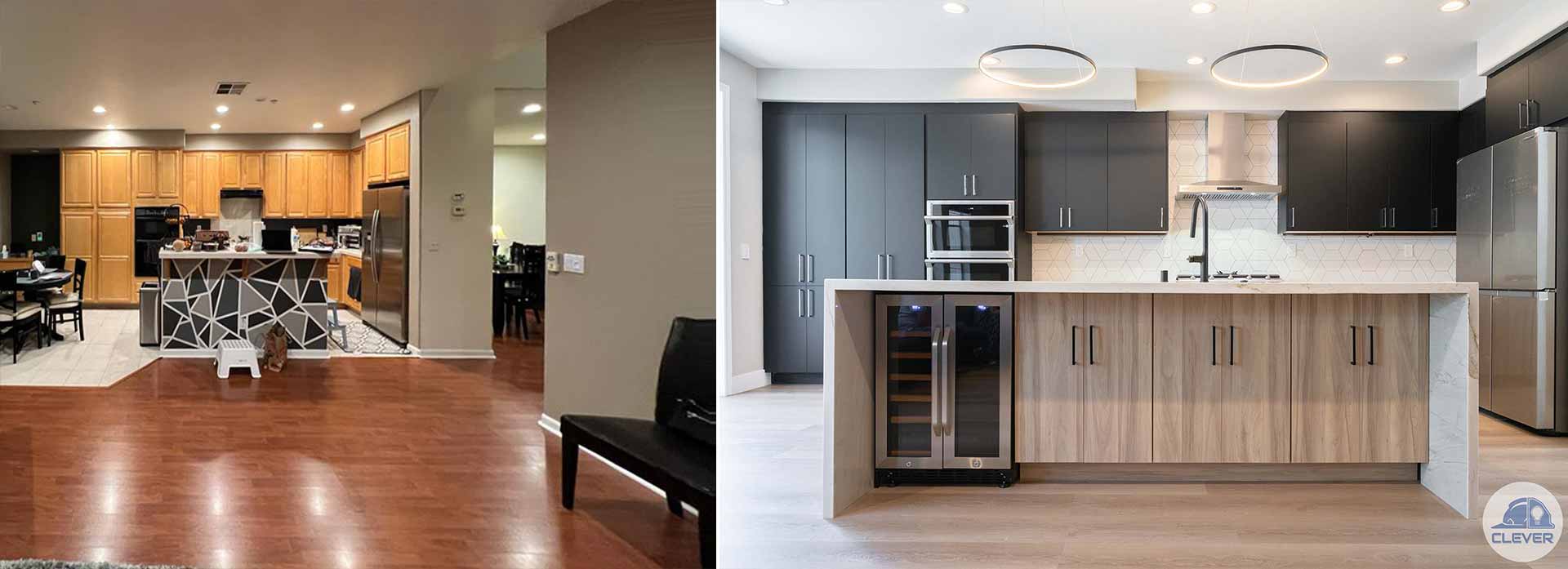
A kitchen remodel tends to move fastest when the layout is finalized early and cabinet planning is treated as its own mini-project. Cabinet lead times and appliance specs can dictate rough-in locations, so those decisions can’t be an afterthought.
Bathrooms are deceptively complex. Waterproofing systems, ventilation, and tile detailing separate a bathroom that looks good from one that performs for years. If you’re changing the footprint, plan for more plumbing coordination.
Additions and ADUs place more weight on engineering and permitting. They can be life-changing investments, but they also require patience and a team that knows how to keep momentum through approvals.
Whole-home renovations demand sequencing. You may need a plan for temporary kitchens, phased bathrooms, or targeted system upgrades so the home stays functional while it transforms.
How to know the steps are being handled with integrity
You’re looking for a team that treats your home like a high-value asset and your time like it matters. That shows up in small behaviors: documenting decisions, confirming specs before ordering, and being upfront about trade-offs.
You should hear clear language about what happens next and what they need from you to keep the project moving. Design-build is collaborative by nature. If the process feels mysterious, that’s a red flag.
For Bay Area homeowners who want one accountable partner from 3D design through permit readiness and build execution, Clever Design & Remodeling structures projects around that kind of disciplined, client-advocacy workflow.
If you’re planning your own remodel, choose one step to elevate right now: make your “decision timeline” as real as your construction timeline. When selections, approvals, and purchases are treated like part of the build, your project runs calmer – and your finished space looks intentional, not improvised.