
A Bay Area ADU is rarely just “extra space.” It is the in-law suite that keeps family close without sacrificing privacy. It is the rental that offsets a high mortgage. It is the quiet, sunlit office that finally makes work-from-home feel like a choice, not a compromise. And because the region’s lots, codes, and construction realities are anything but simple, picking the right adu construction company bay area homeowners rely on becomes the difference between a smooth build and a year of preventable stress.
What an ADU build really demands in the Bay Area
An ADU looks modest on a floor plan. In practice, it is a full home in miniature – foundation, structure, insulation, windows, roofing, electrical, plumbing, HVAC, fire and life safety, waterproofing, and finish carpentry – all threaded through local permitting and site constraints.
In San Francisco, San Mateo, Santa Clara, and Alameda counties, you will routinely see tight side yards, steep grades, aging utilities, and existing structures built long before today’s seismic expectations. That means a good ADU partner is not simply a builder. They are a coordinator of design, engineering, permitting, and construction sequencing, with the discipline to protect budget and schedule when the site pushes back.
“ADU construction company Bay Area” – what you should expect from the right partner
The best signal is not a flashy rendering or a low first number. It is a process that respects your home as a lived-in space and treats decisions as interconnected.
A strong firm should be able to explain, in plain language, how they move from feasibility to permit-ready drawings to build-out. You should hear upfront communication about trade-offs: what you gain with a larger footprint, what it costs to relocate a sewer lateral, how window placement affects both privacy and energy performance, and where your design budget will actually show in the final space.
Design-forward planning, not “pick a plan and hope”
ADUs go wrong when design is treated as decoration. Layout drives mechanical routing, structure, and even long-term comfort. If a company is design-build (or tightly partnered with design), you should see the planning phase include realistic space planning, exterior massing that complements the main home, and early attention to storage, laundry, acoustics, and daylight.
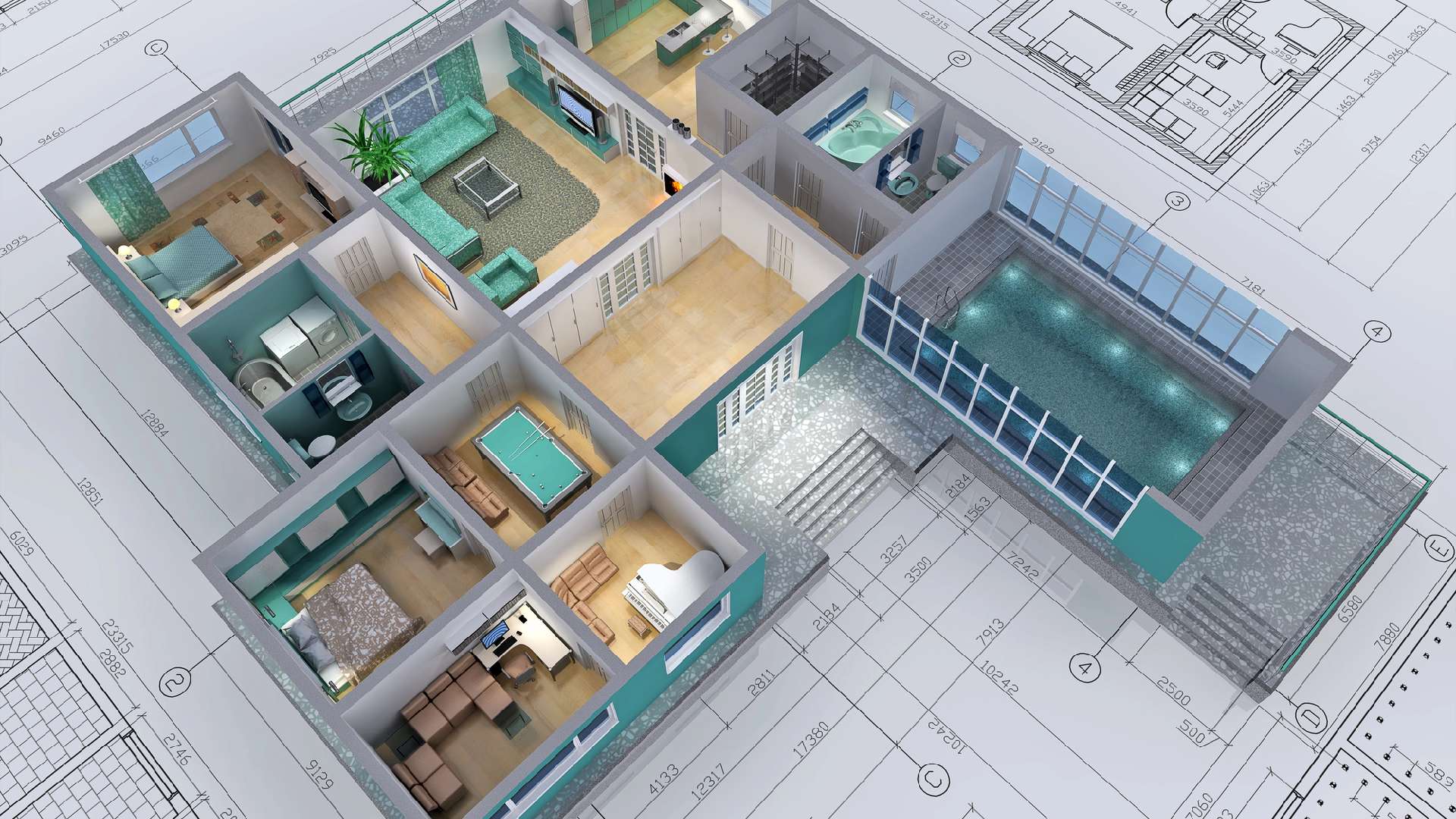
3D renderings can be a practical tool here, not a luxury. They reduce expensive change orders by helping you confirm proportions, cabinet layouts, and material transitions before anyone orders windows or starts framing.
Engineering and site intelligence early
In the Bay Area, “we’ll figure it out in the field” is a red flag. Mature trees, existing retaining walls, old drain lines, and subpanel limitations are not surprises – they are predictable variables.
A reliable ADU builder will coordinate engineering early enough that decisions do not boomerang during plan check. Depending on the property, that can include structural design, grading considerations, energy compliance documentation, and sometimes geotechnical input. It is not about over-complicating the project. It is about preventing midstream redesign, which is where budgets go to disappear.
Permit readiness as a milestone, not an afterthought
Every city has its own rhythm. Some are faster with clear submittals; others require more iteration. A good company treats permit readiness as a real phase with deliverables: a complete drawing set, coordinated consultant inputs, and a plan for responding to comments.
If you are hearing vague promises like “permits are easy” without discussion of timelines and local review cycles, you are not being set up for a calm experience.
The three ADU paths – and how the right company guides the choice
Most homeowners are deciding between a detached ADU, a garage conversion, or an attached addition-style ADU. Each can be the right answer – it depends on your site, goals, and tolerance for disruption.
A detached ADU tends to offer the most privacy and design flexibility, but it often brings higher site work costs and more utility trenching. A garage conversion can be cost-effective and faster in certain scenarios, but you may need significant structural upgrades and you give up parking or storage. An attached ADU can integrate beautifully with the main home and sometimes simplify utilities, yet it can be more disruptive during construction and may trigger more complex structural integration.
A trustworthy partner will help you choose based on return and livability, not just what is easiest for their crew.
Budget reality: where ADU costs actually come from
Bay Area homeowners are smart to ask for clarity on pricing because ADUs can swing widely. Labor costs are high, materials fluctuate, and site conditions are king.
Your largest cost drivers are usually the scope of site work (grading, retaining, drainage), the complexity of utility connections (sewer, water, electrical upgrades), the level of finishes (custom cabinetry versus standard), and structural requirements (especially when converting or building near existing structures).
Also be wary of bids that look dramatically lower than the rest. Often that number is missing line items that are not optional in real life – disposal, temporary protection, realistic allowances, or the kind of waterproofing and detailing that keeps a small unit feeling solid and quiet for decades.
Timeline: the honest answer is “it depends,” but it should not be a mystery
Most ADU schedules have two lives: the pre-construction timeline (design, engineering, permitting) and the construction timeline (demolition through final inspection). The first is often where homeowners feel the most anxiety because progress is less visible, yet the quality of this phase determines how smooth the build is.
A professional ADU construction company will set expectations about both phases and explain the bottlenecks that are outside your control, like city review cycles and utility coordination. They should also be clear about the bottlenecks that are inside their control, like how quickly decisions are gathered, how submittals are organized, and how the build is staffed.
If a company cannot tell you what decisions they need from you, by when, you are likely to experience delays that feel personal but are really procedural.
Communication is not “nice to have” on an ADU
An ADU happens in your backyard, alongside your real life. That means communication is a core part of craftsmanship.
Look for a team that talks about daily site protection, neighbor awareness, and a clean plan for access and staging. Ask who your point of contact is, how often you will get updates, and how changes are handled. Change orders are not inherently bad – sometimes they are the right choice – but they should never feel like a surprise attack.
A client-advocacy mindset shows up in small things: documenting decisions, explaining options without pressure, and keeping you aware of schedule impacts before they become emergencies.
Questions that quickly reveal quality
You do not need a construction vocabulary to interview an ADU contractor well. You need a few targeted questions that force clarity.
Ask how they validate feasibility before design goes too far. Ask what they assume about utilities and what they verify. Ask what their permit submittal includes and how they respond to plan check comments. Ask who manages the project day-to-day and how trades are scheduled. Then listen for specificity.
The best teams can describe their workflow without defensiveness. They can also tell you where your choices will move the needle – for example, simplifying the roofline, aligning wet areas to reduce plumbing runs, or selecting materials that perform well in a coastal fog belt versus a hotter inland microclimate.
A design-build approach: why it often fits Bay Area ADUs
When design and construction live in separate silos, homeowners end up acting as the translator. In the Bay Area, that can be exhausting because the stakes are high and the constraints are real.
A design-build firm can be a practical advantage when it is done with discipline: design decisions are made with cost and constructability in mind, engineering coordination happens earlier, and you get one accountable team to carry the project from concept through inspection.
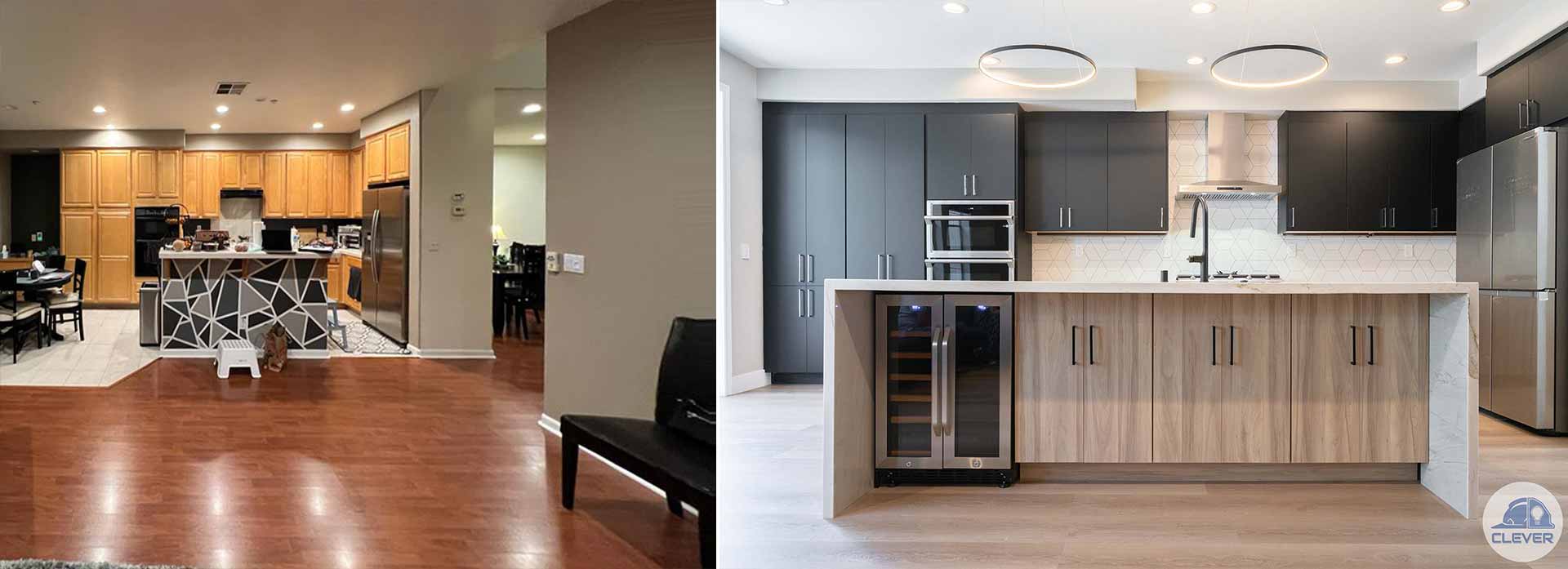
If you are looking for a partner that blends creative planning with structured execution, Clever Design & Remodeling is built around that kind of collaborative, permit-ready process – with design, project management, and construction aligned so your ADU feels intentional, not improvised.
How to make your ADU feel like a real home, not a “unit”
The most loved ADUs share a few invisible qualities. They are quiet, with thoughtful insulation and solid doors. They feel bright without glare, using window placement and layered lighting. They have storage that is designed, not leftover. And they prioritize durable finishes where life actually happens: entry flooring, shower detailing, kitchen surfaces, and ventilation.
This is where a design-forward builder earns their keep. The goal is not to overspend. The goal is to place budget where it improves daily experience and long-term value, while keeping the build disciplined where no one will ever see the difference.
A helpful way to think about it is this: if you want the ADU to rent well, it needs to photograph well. If you want it to age well, it needs to be detailed well. The right team cares about both.
A final thought to carry into your first consultations: choose the company that makes the project feel understandable. When a builder can explain your options, your risks, and your next decisions with calm confidence, you are not just buying construction – you are buying a relationship that protects your home while it is being transformed.