
You can usually tell when a remodel is going to feel stressful by one early moment: you are standing in your kitchen, excited about new layouts and finishes, and someone asks, “Do we have the permit set ready?” If the answer is “not yet,” the project is not doomed – but it is about to get slower, more expensive, or both.
In the Bay Area, permitting is rarely a single form and a quick stamp. It is a coordination exercise: design intent, code compliance, engineering, site realities, and clear documentation that plan reviewers can approve without guesswork. A strong permit package protects your timeline and your budget, and it also protects your home – because clarity up front reduces mid-build surprises.
What a permit-ready remodel actually means
Permits are not just paperwork. They are the city’s way of confirming that life-safety and structural requirements are met, and that your project matches what you will actually build. “Permit-ready” means your drawings, scope, and supporting documents tell a consistent story. Reviewers should not have to infer beam sizes, ventilation paths, window egress, or whether that new bathroom triggers electrical upgrades.
It also means you have made certain decisions earlier than most homeowners expect. Layout affects plumbing, plumbing affects structural penetrations, and structural changes affect energy and sometimes fire requirements. The cleanest projects decide the big moves first, document them accurately, and leave fewer “to be determined” items in the permit set.
Remodeling permit preparation checklist: start with scope clarity
Before you collect documents, define the work in a way that can be permitted and priced.
At minimum, get specific about what is changing: walls moved or removed, new windows or doors, plumbing fixture relocation, electrical panel changes, HVAC modifications, and any exterior work (even “small” changes like widening an opening). In many Bay Area jurisdictions, the difference between a straightforward kitchen remodel and a complex one is whether you touch structure, alter openings, or change mechanical systems.
Be honest about future phases, too. If you intend to add an EV charger later, or you suspect the service panel is undersized, that can influence what gets included now. Sometimes bundling related scope into one permit is more efficient. Other times, separating work avoids delays. It depends on the city, the review track, and the risk of unknown conditions.
Property basics you should pull early
Permitting moves faster when everyone is working from the same factual baseline. Gather your assessor parcel number, property address exactly as recorded, and basic site info like lot size and existing square footage. If you have old plans, previous permits, or a record of additions, those can save hours of field measuring and reduce confusion about what is “existing.”
If your home is older (common across San Francisco, Oakland, Berkeley, and many Peninsula neighborhoods), you may be dealing with legacy conditions that were never documented perfectly. That is normal. The goal is not perfection – it is producing an accurate “existing conditions” drawing set that is credible and consistent.
Existing conditions documentation: the permit set’s foundation
Cities review what you propose against what exists. If existing conditions are vague, reviewers ask questions, and questions slow approvals.
Expect to document current floor plans, exterior elevations as needed, and key dimensions. If you are changing structure, the existing framing conditions matter. If you are changing windows, door sizes and header conditions matter. If you are touching bathrooms or kitchens, plumbing and vent locations matter.
This is also where a professional field measure pays for itself. Small errors compound. A few inches can change whether a hallway meets code, whether a stair run is compliant, or whether a bathroom layout is workable without moving a wall.
Design drawings: show intent, not just finishes
Permit drawings are not a mood board. They are instructions.
For most remodels, the city wants plan views with dimensions, door and window schedules, relevant elevations, and notes that clearly describe materials and assemblies when required. When you change the building envelope or systems, expect additional documentation.
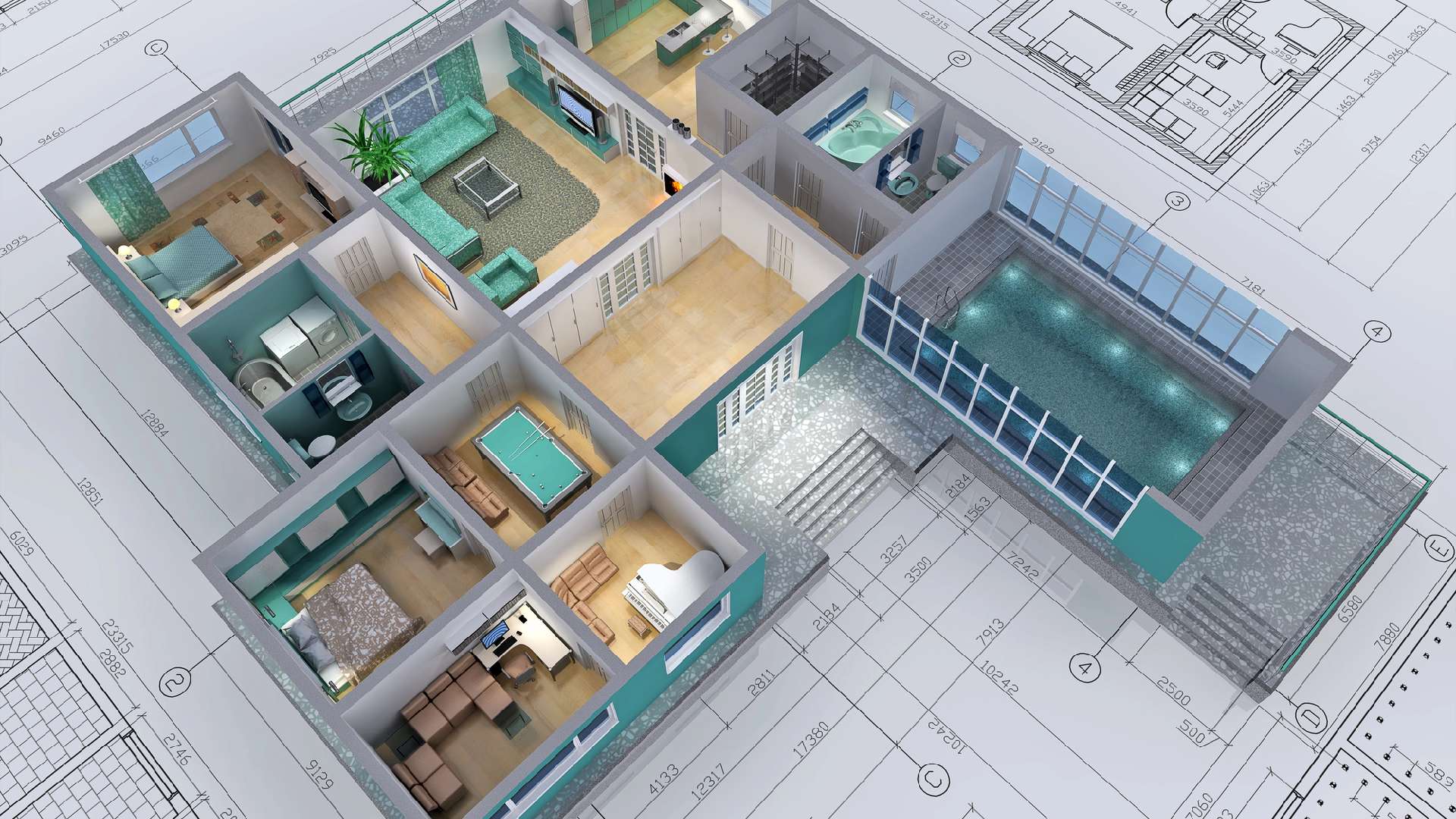
3D renderings can be incredibly helpful for homeowner decision-making and for aligning the whole team, but cities typically approve construction documents. Use the 3D work to reduce indecision, then translate those decisions into the 2D plans and specifications the city will review.
Structural engineering: when it’s required and why it matters
If you remove or alter load-bearing walls, enlarge openings, add a second story, build an addition, or modify decks and framing, you are likely in engineering territory. Even some “simple” projects trigger engineering when they change shear walls, foundations, or roof framing.
Engineering is not just a checkbox. It protects you from costly mid-construction redesign. When a reviewer sees a clear structural narrative – existing conditions, proposed changes, details, calculations – approvals tend to be more straightforward. When engineering is an afterthought, plan check comments can multiply.
MEP coordination: the hidden driver of permit comments
Mechanical, electrical, and plumbing coordination is where many remodel permits get stuck. Kitchens and bathrooms are the usual culprits because they combine multiple systems in tight footprints.
If you are relocating fixtures, confirm drain and vent routing early. If you are adding recessed lights or under-cabinet lighting, make sure the electrical plan shows circuits and code-required receptacle spacing. If you are adding ventilation or moving a range, verify duct routing and termination locations. And if you are upgrading to high-powered appliances, verify service capacity and panel readiness.
It is also worth acknowledging the trade-off here: more detail up front can feel like “extra design time,” but it often reduces the expensive kind of time later – the kind where a crew is waiting while drawings are revised.
Energy and green building requirements: plan for them, don’t react to them
Many Bay Area jurisdictions enforce California energy requirements and local green building ordinances. Whether your project triggers full compliance or limited measures depends on scope.
Window replacements, new conditioned floor area, changes to HVAC, and significant electrical work can pull in energy documentation. Even when your remodel seems interior-only, you may still need to show lighting compliance or ventilation requirements.
The practical move is to ask early what your scope triggers. If you wait for plan check comments to tell you, you are already behind schedule.
Site constraints: utilities, access, and neighborhood rules
Permits are issued on paper, but builds happen on real streets.
If you are in a dense San Francisco neighborhood with limited staging, you may need plans for construction access, debris management, or temporary street occupancy. If your home is in a hillside area, grading, drainage, or geotechnical issues can become part of the conversation. If your property has mature trees, tree protection rules can impact exterior work and sometimes even footing locations.
HOAs add another layer. They are not the city, but they can delay you just as effectively. If you have an HOA, align on exterior changes, window styles, and visible mechanical equipment placements before you submit to the city.
Special overlays: historic, coastal, and wildfire zones
In parts of the Bay Area, your address changes everything. Historic districts can require design review. Coastal zones can trigger additional approvals. Wildland-urban interface areas can affect exterior materials and defensible space requirements.
If any of these apply, build time into your plan. The permitting timeline is not just “faster or slower.” Sometimes it becomes a different process with additional hearings or design constraints. The best projects treat that as a design challenge, not a last-minute obstacle.
Your documentation packet: what reviewers often want to see
Every jurisdiction has its own intake requirements, but most permit submittals become smoother when your packet includes at least these distinct components:
- A complete drawing set that includes existing and proposed plans, key dimensions, and clear notes
- Structural sheets and calculations when structure is modified
- Title 24 energy documentation when triggered
- A clear scope description that matches the drawings
- Product or equipment information when required (for example, certain mechanical or water-heating changes)
If any of those pieces are missing or inconsistent, plan check comments tend to focus on basic clarity rather than meaningful review. That is wasted time.
Budget and schedule realism: permit prep affects both
Permit preparation is part of project execution, not a prelude that “doesn’t count.” It can influence your budget because engineering, energy compliance documentation, and detailed drafting are real services. It also influences schedule because certain materials and systems are long-lead, and some cities will want them specified.
There is an “it depends” moment here: some homeowners want to lock every finish before permit submission. Others prefer to permit the structural and layout framework, then finalize finish selections while the permit is in review. Both can work when managed carefully. The risk of permitting too early is that changes later may require revisions. The risk of waiting too long is that indecision can stall permitting entirely.
A client-advocacy way to approach plan check comments
Plan check comments are not a personal critique. They are an opportunity to clarify. The fastest responses are calm, complete, and coordinated across disciplines.
If a reviewer asks for a detail, answer with a detail that is consistent with the structural approach, the mechanical plan, and the architectural intent. Piecemeal responses can create follow-up questions. A disciplined team treats comments like a punch list: track them, respond to each one, and resubmit a clean set that makes the reviewer’s job easy.
When you work with a design-build partner, this is where the process shines: design, engineering, and construction sequencing can be aligned so revisions do not accidentally create field problems later. If you are looking for a guided, design-forward approach to permitting and build-out in the Bay Area, Clever Design & Remodeling structures projects around permit readiness before construction begins.
Quick self-check before you submit
If you want one final gut-check, ask yourself three questions. Can a reviewer understand exactly what is changing without calling you? Do your drawings, notes, and scope description match each other with no contradictions? And have you addressed the likely triggers for your project type – structure, MEP, energy, and site constraints – rather than hoping they will not come up?
If any answer is “not quite,” that is not failure. It is simply the moment to slow down and tighten the package, because the time you spend here is the most predictable time you will spend on the project.
A remodel is a personal investment in how you live every day. Treat the permit set the same way you treat the design itself: with care, clarity, and respect for the home you are about to transform.