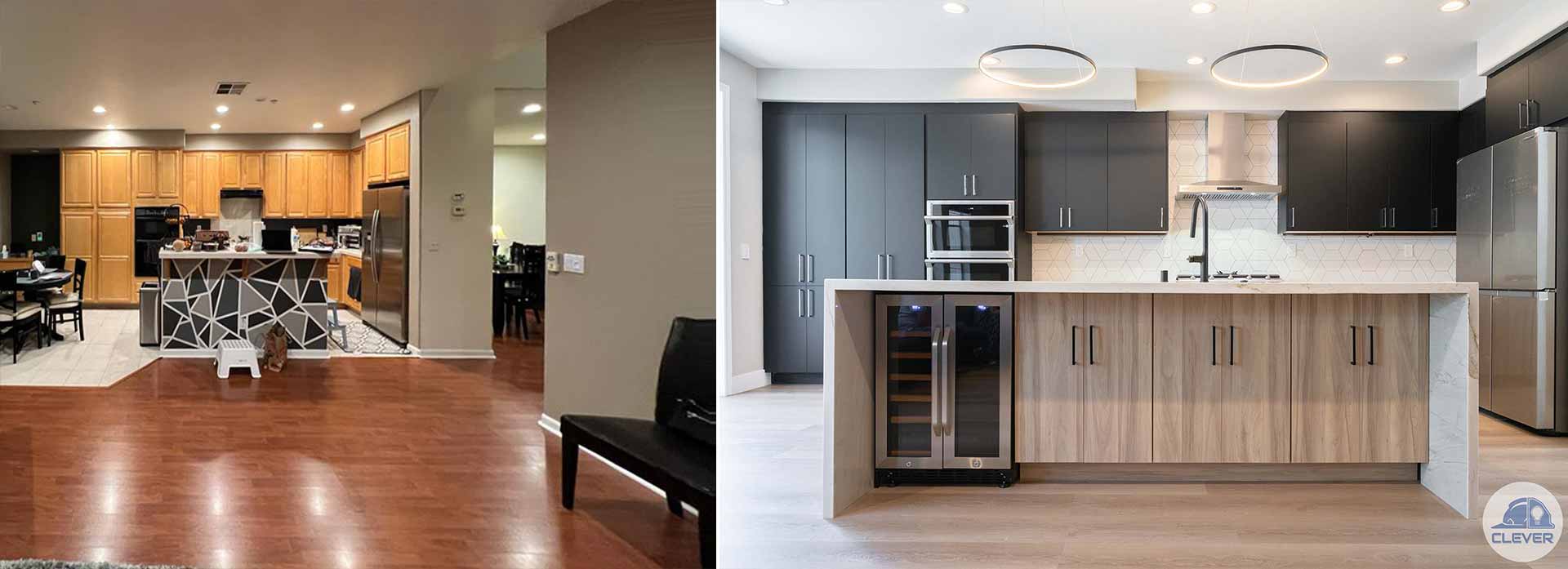

You can spot a risky kitchen remodel decision in the first five minutes – it’s the moment someone points to a flat elevation and says, “Just imagine it with white oak cabinets.” In Bay Area homes, where kitchens are often tight, older, and tied into structural realities, “imagine it” gets expensive fast. A 3d kitchen design rendering service exists for one reason: to replace guesswork with clarity before you order cabinets, submit permits, or open walls.
This isn’t about pretty pictures for a mood board. Done well, 3D renderings are a decision tool. They let you test layout, scale, lighting, and material combinations while the project is still cheap to change. And they protect the two things homeowners care about most: a controlled budget and a finished kitchen that feels intentional, not improvised.
What a 3d kitchen design rendering service actually delivers
Most homeowners think of “renderings” as one or two polished images. In practice, the value comes from a package of visuals that answer very specific questions: How wide will the walkway feel when the dishwasher is open? Will the island read as elegant and light, or bulky and oversized? Does that full-height backsplash make the room feel taller, or does it visually crowd the window?
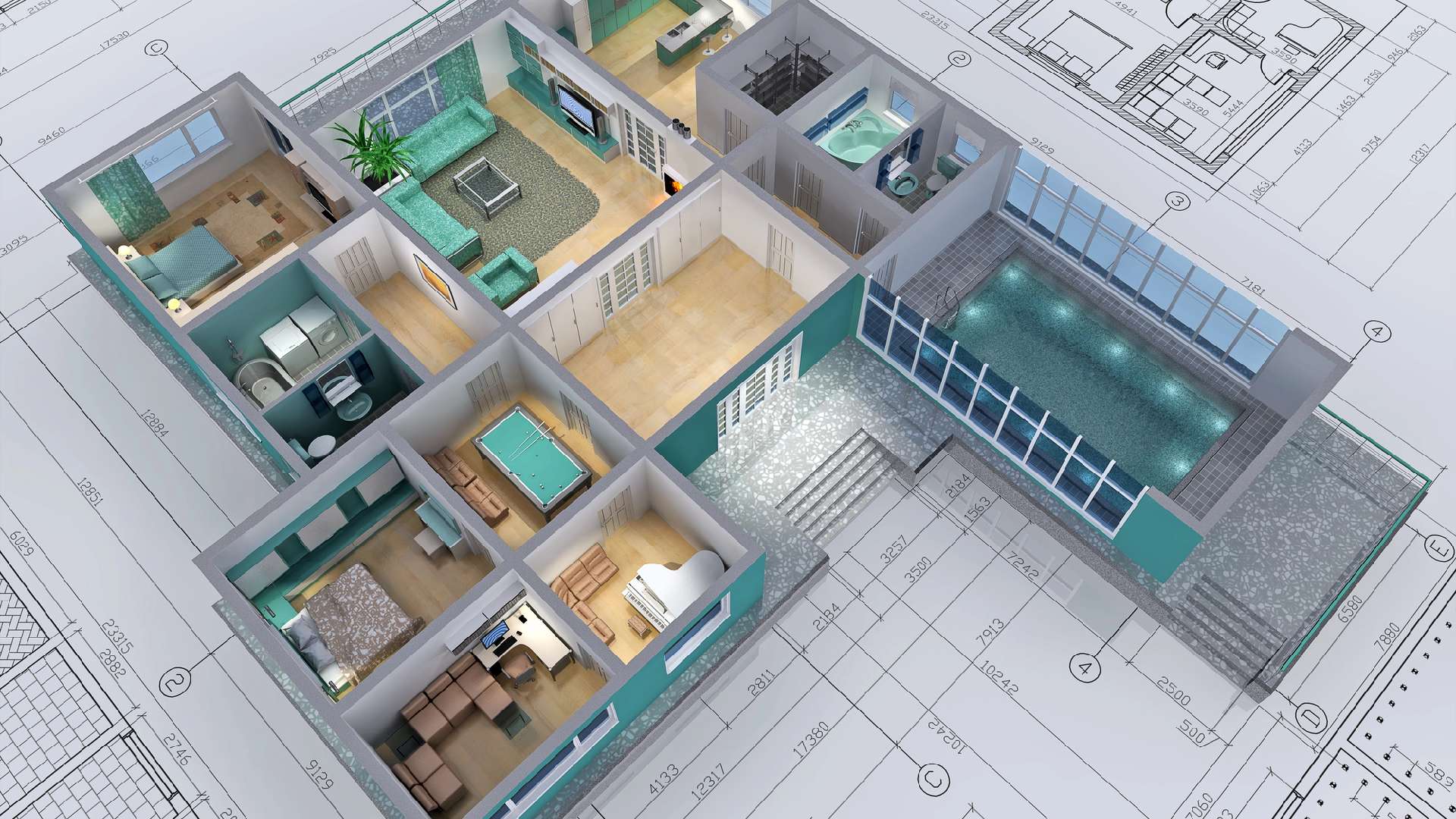
A professional rendering workflow typically starts with a measured base plan of your existing kitchen. From there, the designer models cabinetry, appliances, plumbing fixtures, and architectural elements in 3D. That model becomes the sandbox where you can compare options without committing to them.
When the service is tied to real construction planning, the renderings are grounded in buildable dimensions, code-aware clearances, and practical installation details. That matters in older Bay Area houses where walls aren’t always square, floors can slope, and previous remodels sometimes hid surprises behind finishes.
Why 3D matters more in Bay Area kitchens
The Bay Area has a unique mix of constraints that make kitchen design harder than it looks. Many homes have compact footprints, awkward circulation paths, and limited opportunities to expand without major structural work. Even in larger homes, you’re often balancing open-concept living goals with seismic considerations, load-bearing walls, and the realities of permitting.
This is where 3D becomes more than a visual. It becomes a way to pressure-test decisions against the space you actually have.
A few common examples:
In a narrow kitchen, shifting an island by even 4-6 inches can change the entire feel of the room. A 2D plan shows you the numbers. A 3D view shows you whether it feels generous or pinched.
In many older homes, ceiling heights and soffits create strange proportions. A rendering helps you see whether stacked uppers will look crisp and architectural or visually top-heavy.
Natural light in Bay Area neighborhoods can be unpredictable due to fog, tree cover, and adjacent buildings. Renderings that simulate lighting help you avoid choosing finishes that look great at noon and dull at 6 pm.
The decisions 3D renderings help you get right
Kitchen remodels are a series of irreversible commitments. Once cabinets are ordered, the design becomes real whether it’s right or not. The best use of 3D is to validate the decisions that are hardest to change later.
Layout and flow (the expensive stuff)
If your remodel includes moving plumbing, gas, or electrical, layout mistakes aren’t just annoying – they’re costly. A 3D model makes it easier to evaluate whether the work triangle actually functions, whether pantry access fights with appliance doors, and whether the island becomes a traffic obstacle.
It also helps you be honest about daily life. Where do backpacks land? Can two people cook without bumping hips? Is there a clean landing zone next to the refrigerator, or will groceries end up on the stove?
Cabinet proportions and storage realism
Cabinetry is where budgets and expectations often collide. Renderings make it easier to see what “more storage” looks like in real terms: drawer stacks vs. doors, the impact of a wider fridge, how a tall pantry cabinet changes the visual rhythm of the wall.
This is also where you can catch aesthetic problems early. For example, a cabinet run might technically fit, but the proportions could feel off once you account for crown, fillers, or a window that sits slightly left of center.
Finishes that play well together
Countertops, cabinet color, hardware, flooring, backsplash tile, wall paint – in a kitchen, every surface talks. 3D renderings help you hear the conversation before you pay for it.
This is especially helpful when you’re choosing between subtle variations that read very differently at scale: warm white vs. cool white cabinetry, honed vs. polished stone, brushed nickel vs. champagne bronze. Small samples can mislead you because they don’t reflect how the material behaves across an entire room.
Lighting and the “mood” of the room
Lighting is a design multiplier. It can make an elegant kitchen feel flat if it’s under-planned, or make a practical kitchen feel high-end when it’s layered correctly.
A thoughtful 3D rendering service will incorporate recessed lighting placement, pendants, under-cabinet lighting, and natural light assumptions. It won’t predict every shadow perfectly, but it will reveal whether you’re relying too heavily on one light source, whether the island will be a dark zone, or whether glossy finishes might cause glare.
What to look for in a 3D rendering provider
Not all renderings are created for remodeling reality. Some are marketing-level images that look beautiful but ignore the constraints of construction. For a homeowner investing serious money, the goal is alignment between design and build.
First, ask whether the renderings are based on field measurements or homeowner-provided dimensions. If the model is built off rough numbers, it can create false confidence.
Second, pay attention to how the provider handles trade-offs. A trustworthy team will point out where a design choice affects budget, schedule, or complexity. For example, a full-height slab backsplash can be stunning, but it may require careful outlet planning and can raise material costs. A waterfall island edge is visually striking, but it can demand more stone and more fabrication time.
Third, look for a process that includes iteration. The best outcomes come from a few rounds of refinement, where you react to what you see and the design tightens around your goals.
Trade-offs: when 3D renderings are less useful
There are situations where high-detail renderings might not be the best use of your budget.
If you’re doing a simple cosmetic refresh with no layout changes – paint, hardware, maybe a countertop swap – you may get enough clarity from finish boards, samples, and a straightforward plan.
If you’re in very early exploration and not ready to commit to a direction, you can start with a lighter concept model and upgrade to photorealistic views once the layout and style are set.
And if the rendering is produced without construction knowledge, it can become a distraction. A gorgeous image that ignores code clearances or hides awkward transitions can lead to disappointment when the real build catches up.
How 3D renderings support permits and pre-construction planning
Homeowners often separate “design” from “permits” as if they’re unrelated phases. In reality, a clean design package makes everything downstream calmer.
While permit sets are built from technical drawings, 3D modeling forces early coordination around elements that affect engineering and documentation: structural beams for an open kitchen, window adjustments, mechanical venting routes, appliance specs, and clearances.
That coordination matters because it reduces late changes. Late changes create change orders, and change orders create stress. A rendering-driven process helps you make confident decisions before the project hits the jobsite, where every adjustment carries labor and schedule implications.
A homeowner-friendly way to use renderings without getting stuck
Some homeowners worry that too many options will slow things down. That can happen if the process turns into endless “what if” scenarios.
The fix is simple: use renderings to decide the high-impact items first. Lock the layout, the cabinet framework (door style and configuration), and the major material directions. Then use additional views to confirm details like hardware finish or pendant style.
When the design team leads with discipline, renderings don’t delay the project. They accelerate decision-making because you stop debating hypotheticals and start reacting to a shared visual reality.
What this looks like with a design-build partner
The biggest advantage comes when renderings are integrated into an end-to-end remodeling process – design, engineering coordination, permit readiness, and construction execution under one accountable roof. That’s where the “picture” becomes a plan the field team can build.
At Clever Design & Remodeling, 3D design is used as part of a structured workflow that keeps homeowners involved while protecting budget and scope. The goal is a kitchen that feels elevated and personal, supported by the practical discipline that keeps projects running cleanly: upfront communication, real-world materials, and buildable details.
If you’re considering a 3d kitchen design rendering service, ask yourself one honest question: do you want to “hope” the finished kitchen looks right, or do you want to see it, adjust it, and sign off with confidence? When your home is the investment and the daily backdrop to family life, clarity is not a luxury – it’s the kind of support that keeps the project enjoyable.