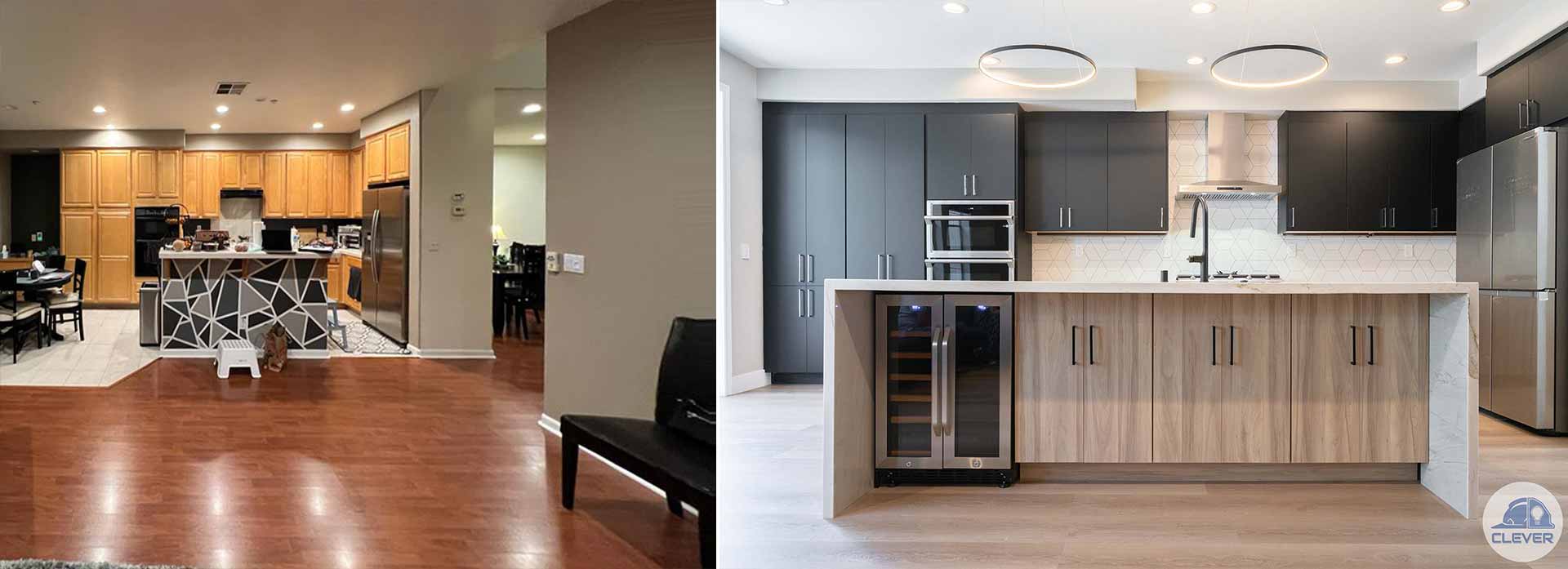

The fastest way for a kitchen remodel to go sideways is simple: fall in love with a look before you know what your house can actually support. In the Bay Area, that gap gets expensive fast. Older framing, quirky plumbing routes, strict energy requirements, and permit timelines do not care about your inspiration board. That is why more homeowners are choosing a kitchen remodel design build approach – not because it is trendy, but because it is disciplined.
Design-build means the same team owns the vision and the execution. Instead of handing a pretty plan to a contractor and hoping it survives contact with reality, you design with construction expertise at the table from day one. The payoff is fewer surprises, tighter scheduling, and better control of the details that make a kitchen feel custom.
What “kitchen remodel design build” really changes
The headline difference is accountability. In a traditional design-bid-build setup, you hire a designer or architect, then you shop the plans to contractors. If the bids come back high, you revise. If the contractor finds missing details, you revise again. Each handoff adds time and room for misunderstanding.
With design-build, the design team is already thinking about rough-in locations, structural constraints, code requirements, and build sequencing while they shape the layout and finishes. You still get creativity – often more of it, because the design is grounded in what is feasible and worth the investment.
There is also a communication shift that homeowners feel immediately. Instead of playing messenger between a designer and a builder, you have one coordinated team. When you ask, “Can we move the sink to the island?” you get an answer that includes plumbing realities, venting, cost impact, and schedule impact – not just aesthetics.
When design-build is the smarter move (and when it depends)
Design-build shines when the project has real complexity. If you are opening walls, relocating plumbing or gas, moving windows, adding a beam, or reworking the electrical panel, you want design and construction tightly integrated. The same is true if your home is older, on a hillside, or has a history of unpermitted work that needs to be corrected.
It depends if your project is largely cosmetic. If you are keeping the exact layout, swapping cabinets and countertops, and updating appliances with minimal electrical work, a lighter process can be fine. But even “simple” kitchens can hide issues once demolition starts, and Bay Area homes are famous for surprises. Many homeowners still prefer design-build for the predictability and the single point of responsibility, even when the scope feels straightforward.
The real workflow: from ideas to permit-ready plans
A design-build kitchen remodel should not begin with demolition. It should begin with clarity. The strongest teams run a structured pre-construction phase that turns your preferences into a buildable plan.
Step 1: Lifestyle-first planning
A kitchen is not just cabinets. It is mornings, school lunches, dinner parties, and work-from-home breaks. Good planning starts with how you use the space: where clutter collects, which appliances matter, whether two people cook at once, and how much seating you actually want.
This is also where trade-offs get named early. An oversized island may look stunning but can choke circulation. Open shelving can be beautiful but is unforgiving if you want a calm, minimal visual field. A panel-ready refrigerator elevates the whole room, but it shifts the appliance budget. None of these are dealbreakers. They are decisions that deserve to be made intentionally.
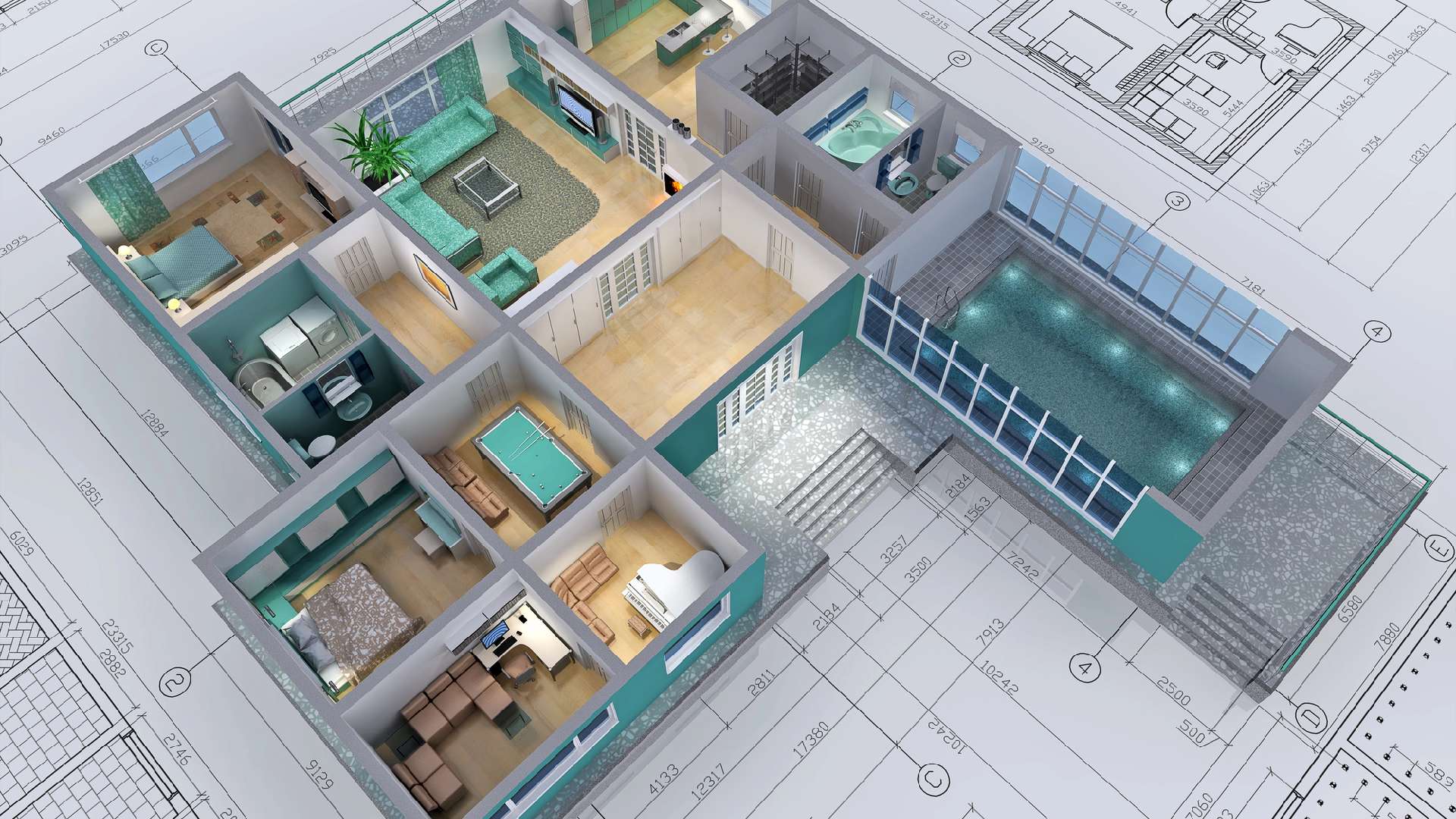
Step 2: Layout and 3D visualization
Bay Area homeowners often struggle to “see” the new kitchen until it is too late. 3D renderings change that. You can evaluate proportion, aisle widths, sight lines, and how the kitchen connects to living and dining zones before you commit.
This step is where function meets design-forward composition. You can test whether a larger window is worth the structural work, or whether the same feeling can be achieved with better lighting and a cleaner cabinet run. You can also align the kitchen with the architecture of the home – whether that is a classic Craftsman, a mid-century ranch, or a modern condo.
Step 3: Engineering coordination and permit readiness
Many kitchen remodels trigger requirements beyond the kitchen itself. Removing a wall can require structural engineering. Relocating plumbing can affect venting and drain slope. Adding circuits for induction, wall ovens, or a beverage center may require panel upgrades. And California Title 24 energy requirements can influence lighting and ventilation.
Design-build teams that prepare permit-ready drawings up front save you from redesign loops later. It is not glamorous work, but it protects the schedule and budget. It also reduces the risk of getting stuck mid-project waiting for decisions that should have been made months earlier.
Budget control without sacrificing an elevated look
Homeowners often worry that design-build means “premium only.” The reality is more nuanced. Design-build can support a premium result, but it is also one of the best ways to keep a budget honest because cost is considered while the design is being created.
A disciplined team will separate “must-haves” from “nice-to-haves” and show you where your dollars actually move the needle. For example, custom cabinets can be a worthy investment if you have an awkward footprint or want a furniture-like look. But if your layout is efficient, you might allocate more budget to a statement stone, better appliances, or lighting that makes the whole space feel architectural.
The same applies to hidden infrastructure. Upgrading old plumbing lines or adding proper electrical capacity does not photograph well, but it is often what makes the kitchen feel effortless to live in. The right partner will advocate for both – the beauty you want and the bones that keep it functioning for decades.
Design choices that matter in Bay Area kitchens
Trends come and go. What lasts is proportion, quality, and a layout that respects how you live.
Storage that reduces visual noise
Many Bay Area kitchens are short on space, which is exactly why the design should feel calm. Deep drawers for pots, vertical storage for trays, a real pantry plan, and a place for small appliances can do more for daily happiness than another decorative finish.
Lighting that supports real life
A kitchen needs layers: bright task lighting where you prep, softer ambient light for evenings, and accent lighting that adds depth. Under-cabinet lighting is not a luxury when countertops are working surfaces. It is also one of the cleanest ways to make stone and tile read as intentional, not flat.
Material selections that match your tolerance for maintenance
It is easy to choose materials based on photos. Living with them is different. Some countertops etch. Some cabinet finishes show fingerprints. Some flooring choices amplify noise. A good design-build team helps you select finishes that fit your household, not just your aesthetic.
Construction: what a well-run build phase feels like
Once the plans are solid, the build phase should feel steady. You should know what is happening this week, what is coming next, and what decisions are still outstanding.
Expect controlled demolition, protection of adjacent spaces, and clear communication around utilities. Kitchens affect daily life more than any other remodel, so schedule discipline matters. There are also predictable pinch points: long lead-time items like cabinets and certain appliances, inspections that must be scheduled, and the sequencing of trades so the work does not pile up.
A design-build firm that manages this well is not just building. They are choreographing. When cabinetry is measured correctly at rough framing, countertops template on time, and tile installation is coordinated with lighting and outlets, the kitchen comes together with fewer last-minute compromises.
How to choose a design-build partner you can trust
You are hiring for more than a portfolio. You are hiring for process, transparency, and the ability to protect your home and your time.
Look for a team that is licensed, bonded, and insured, and that can clearly explain how they handle design development, engineering, permitting, and project management. Ask how selections are made and documented. Ask how change orders are handled. Ask what communication looks like during construction and who your point person is.
You should also pay attention to how they talk about trade-offs. If every answer sounds like “sure, no problem” without discussing cost, code, or schedule, you are not getting the full truth. The best partners are client advocates who can say yes when it makes sense and steer you away when it does not.
For Bay Area homeowners who want that kind of guided, design-forward experience under one roof, Clever Design & Remodeling is built around a structured design-build process that brings 3D planning, engineering coordination, and permit readiness together before construction begins.
The payoff: a kitchen that feels personal, not just new
A successful kitchen remodel is not measured on demo day or even on install day. It is measured six months later, when the workflow feels natural, the storage supports your habits, and the room still feels like it belongs to your home.
If you are considering a kitchen remodel design build project, treat the early planning as the main event. The more honestly you define how you live – and the more rigor you put into drawings, selections, and permitting – the more freedom you will feel when construction starts.
The helpful truth is this: a great kitchen is not created by rushing. It is created by making the right decisions early, then letting a disciplined team execute them with care.