
You can usually tell when a remodel is headed for trouble long before demolition starts. It shows up in the early conversations – vague timelines, unclear scope, “we’ll figure it out in the field,” or a design that looks beautiful on paper but ignores how Bay Area homes actually behave once you open the walls.
A strong design-build partner prevents those problems by doing the unglamorous work early: asking sharper questions, coordinating engineering, mapping the permit path, and translating your goals into a buildable plan. If you are searching for a design build firm bay area homeowners truly trust, the difference is not marketing. It is process, accountability, and craft – and how those elements protect your budget and your daily life.
What design-build really changes (and what it doesn’t)
Design-build means one accountable team handles both the design and the construction. That sounds simple, but it changes how decisions get made. Instead of a designer handing plans to a contractor and hoping nothing breaks in translation, the people who will build your home are in the room while it is being designed.
The upside is fewer surprises and fewer “that’s not included” moments. When the team is unified, you can align layout choices, structural realities, mechanical routes, and finish selections before you pay for rework. The trade-off is that you are putting a lot of trust into one partner, so vetting matters more. With a split model, you can change designers or contractors midstream. With design-build, the relationship is more integrated – which is great when it is healthy, and painful when it is not.
Why the Bay Area raises the stakes
Bay Area remodeling is not forgiving. Many homes have aging infrastructure, odd additions from previous decades, and framing that predates today’s standards. Add high labor costs, tight jobsite access, and strict permitting, and you get a region where “good enough” planning becomes expensive fast.
The other reality is lifestyle. People here renovate while working from home, raising families in tight square footage, or preparing for multigenerational living. A remodel is not just a construction project; it is a logistical event that touches schedules, privacy, noise tolerance, and often childcare. A design-build firm worth hiring plans for that human side, not just the technical side.
The process signals that separate a professional from a gamble
Most homeowners start by comparing portfolios and price ranges. That is reasonable, but it is not enough. A beautiful photo does not tell you how the project was managed, how many change orders happened, or whether the client felt supported.
Look for process signals early. A mature design-build firm will guide you through structured phases and explain what is decided when. If everything is treated as a casual conversation, you are more likely to end up with moving targets.
Pre-construction that feels “slow” – on purpose
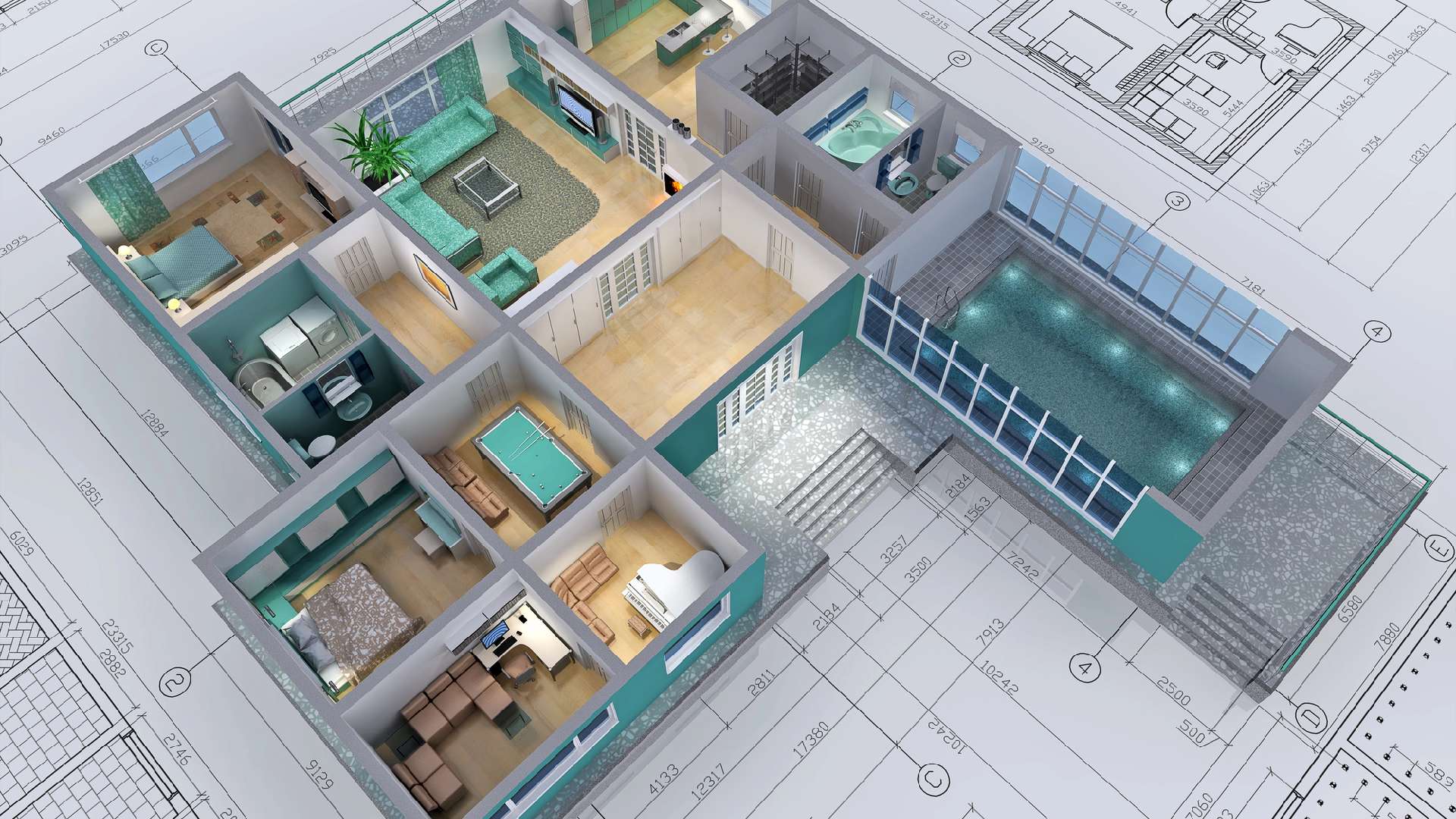
The best projects often feel slower at the beginning because the team is eliminating unknowns. That can include site measuring, design development, 3D renderings to confirm proportion and flow, and early selections that affect rough-ins (like plumbing fixtures, lighting plans, and appliance specifications).
In the Bay Area, pre-construction should also include engineering coordination when walls move, openings change, or loads shift. If your partner waits to “see what the inspector says,” you are essentially volunteering your timeline.
Permit readiness, not permit hope
Permits are not just paperwork. They are a sequence of decisions that must be consistent across drawings, structural calculations, energy requirements, and sometimes neighborhood constraints.
A dependable design-build partner speaks plainly about permit risk. Some scopes are straightforward. Others depend on your jurisdiction, existing conditions, or how far the design pushes the envelope. You want a team that can tell you what is likely to be approved, what needs iteration, and how they keep you moving even if a plan check cycle takes longer than anyone wants.
A construction plan that protects your home
During build-out, strong firms run a job like a controlled environment. That means clear site rules, dust and surface protection, and communication that is proactive rather than reactive. It also means a schedule that accounts for lead times and inspections, not a fantasy calendar designed to win the bid.
Ask how the team handles long-lead items and substitutions. In a volatile supply environment, you want a partner who can propose equivalents without downgrading your intent, and who gets your approval before changes hit the site.
Pricing: what “fair” looks like in a premium market
Bay Area homeowners often get trapped between two fears: overpaying and getting burned by a low number. Fair pricing is not the cheapest; it is the price that matches a defined scope, a clear standard of materials, and a realistic labor plan.
A design-build firm should be able to explain where money goes in human terms. If you feel like the estimate is a black box, it will stay a black box when you are negotiating changes.
It also helps to understand how design decisions affect cost. A layout that avoids moving plumbing stacks, a cabinet plan that uses standard sizing intelligently, or a window package that balances performance and budget can preserve investment for the finishes that matter most to you. The best firms do not just say “that costs more.” They offer options that protect your priorities.
The questions that uncover real accountability
A credible design-build firm will welcome specific questions, because clarity protects both sides. You do not need to interrogate people. You need to understand how they operate when pressure hits.
Ask who your day-to-day point of contact is once construction begins, how often you will receive schedule updates, and what happens when decisions are needed quickly. Remodeling creates decision moments: tile is in, but grout color is not chosen; framing reveals a surprise, and the plan needs a pivot. A supportive partner sets expectations for turnaround times and makes those choices feel guided, not chaotic.
Also ask how change orders work. Even with excellent planning, changes happen – sometimes because you discover an opportunity, sometimes because existing conditions force a shift. The key is that the process is transparent, priced clearly, and approved in writing before work proceeds.
Picking the right design sensibility for your home
“Design-forward” can mean a lot of things. In the Bay Area, it often means clean lines, thoughtful material contrast, and light that makes small footprints feel generous. It can also mean respecting the architecture you already have – a 1920s bungalow wants a different kind of modern than a 1970s hillside home.
A design-build firm should be able to articulate a point of view without forcing a single look onto every project. Pay attention to whether they ask about how you live, not just what you like on a mood board. The best results come when function leads and style reinforces it: storage that is actually usable, circulation that supports a busy morning, and lighting that makes the home feel calm at night.
What to expect by project type in the Bay Area
Different remodel categories come with different pressure points. Understanding those upfront helps you choose a partner whose strengths match your scope.
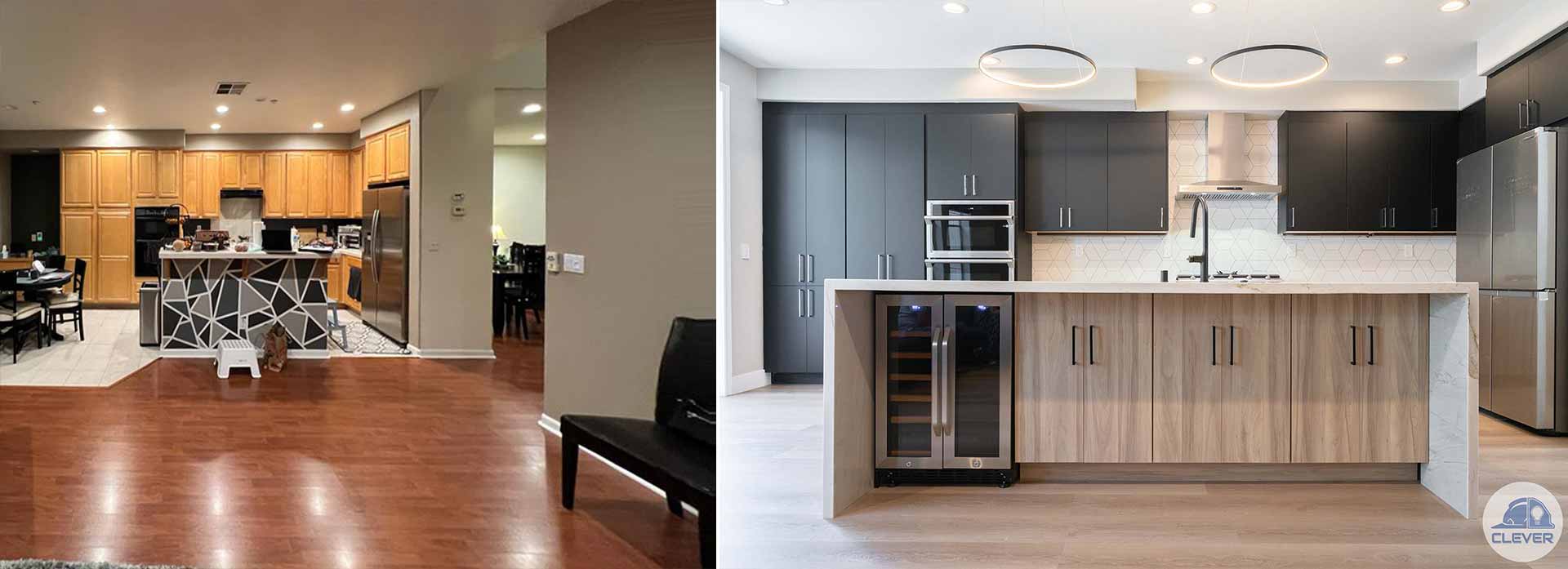
Kitchen remodels are often about rethinking workflow and hiding complexity. Electrical upgrades, ventilation, and appliance planning matter as much as the countertops.
Bathrooms depend on waterproofing discipline and detail-level execution. This is where craftsmanship shows, because small errors become daily irritations.
Room additions and ADUs are permission-heavy and coordination-heavy. They can be life-changing for space and property value, but only if the design addresses access, privacy, utilities, and how the new footprint integrates with the existing home.
Decks and patio builds look straightforward until you factor in drainage, exposure, and long-term durability. Material selection and structural planning separate a five-year structure from a twenty-year one.
Whole-home renovations require the most client alignment. The finishes are important, but the deeper question is sequencing: how the project is phased, whether you can live in place, and how the team protects momentum across many moving parts.
When design-build may not be the best fit
Design-build is powerful, but it is not universal. If you already have a complete plan set from an architect you love and you want to bid it to multiple builders, a traditional approach can make sense. If your project is extremely small and straightforward, you may not need the depth of integrated design.
On the other hand, if you want one accountable partner to handle design decisions, engineering coordination, permits, and construction – especially in a Bay Area home with unknowns – design-build tends to reduce friction.
How to start without wasting time
A good first conversation is specific. Share your goals, your timeline constraints, and the level of finish you are targeting. If you have inspiration images, include them, but also describe what you want to feel in the space: brighter mornings, quieter evenings, better storage, or a layout that finally fits your family.
A design-build firm should respond with a clear next step, not pressure. They should explain how they validate feasibility, how they approach budget alignment, and what you will have in hand before construction starts.
If you are looking for a design-led, process-driven partner, Clever Design & Remodeling is built around that exact model: collaborative planning, 3D design clarity, permit readiness, and disciplined construction execution across the San Francisco Bay Area.
The best closing test is simple: after the consult, do you feel more clarity or more confusion? A remodel is a long relationship with your home as the meeting place. Choose the team that makes decisions feel calmer, not louder – and you will feel that confidence every day you walk through the finished space.