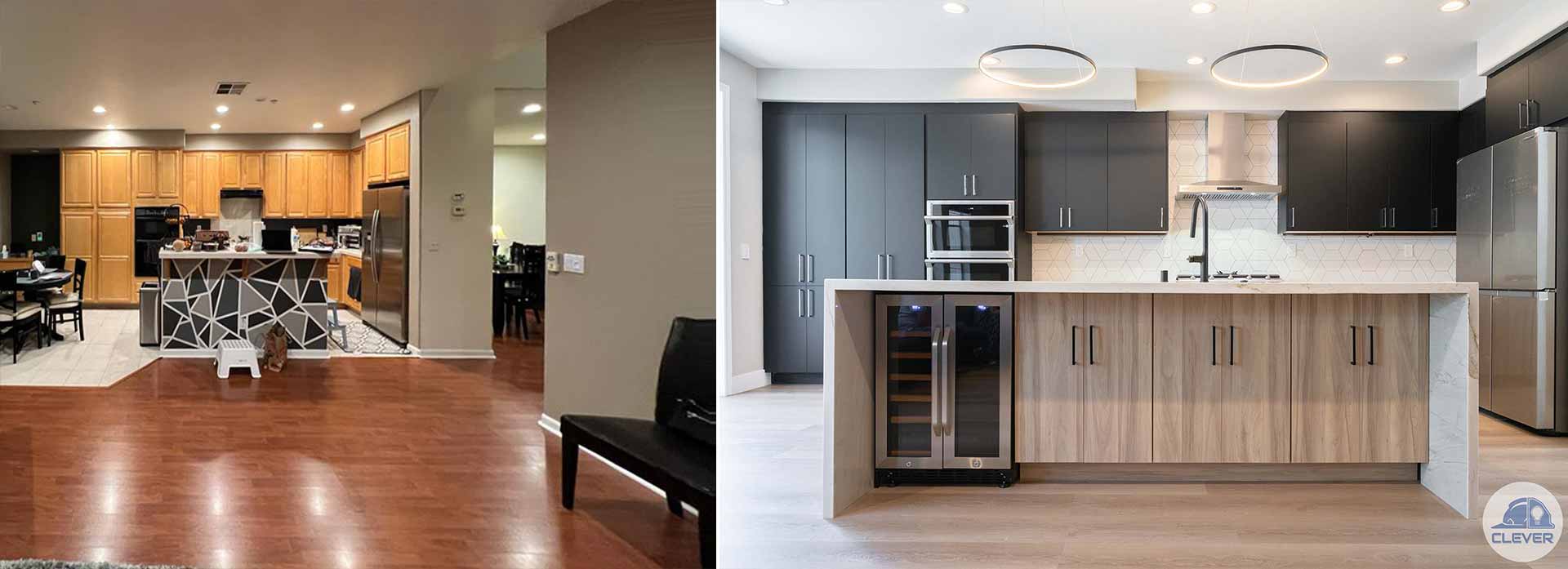

A beautiful remodel can lose its shine fast when the schedule feels vague, rushed, or constantly moving. That is why remodeling project timeline planning matters so much at the very beginning. For Bay Area homeowners, especially those tackling kitchens, baths, additions, ADUs, or full-home renovations, the timeline is not just a calendar – it is the framework that protects design quality, decision-making, budget discipline, and day-to-day sanity.
The biggest misconception is that a timeline starts when demolition starts. In reality, the clock begins much earlier. The most successful projects are shaped in pre-construction, where design intent, engineering, material selections, permit requirements, and construction sequencing are aligned before crews arrive. When that planning is skipped or compressed, delays usually do not disappear. They simply show up later, often at the most expensive moment.
Why remodeling project timeline planning starts before construction
Homeowners often ask a reasonable question: how long will my remodel take? The honest answer is that it depends on the scope, the age of the home, the approval path, and how early decisions are made. A cosmetic bathroom refresh moves differently than a structural kitchen remodel. A room addition with engineering and city review will not follow the same path as new finishes in an existing footprint.
In the Bay Area, older housing stock adds another layer. Opening walls can reveal outdated plumbing, aging electrical, or framing conditions that were not visible during the first walkthrough. That does not mean timelines are impossible to predict. It means a credible timeline should include both the expected path and the points where flexibility may be needed.
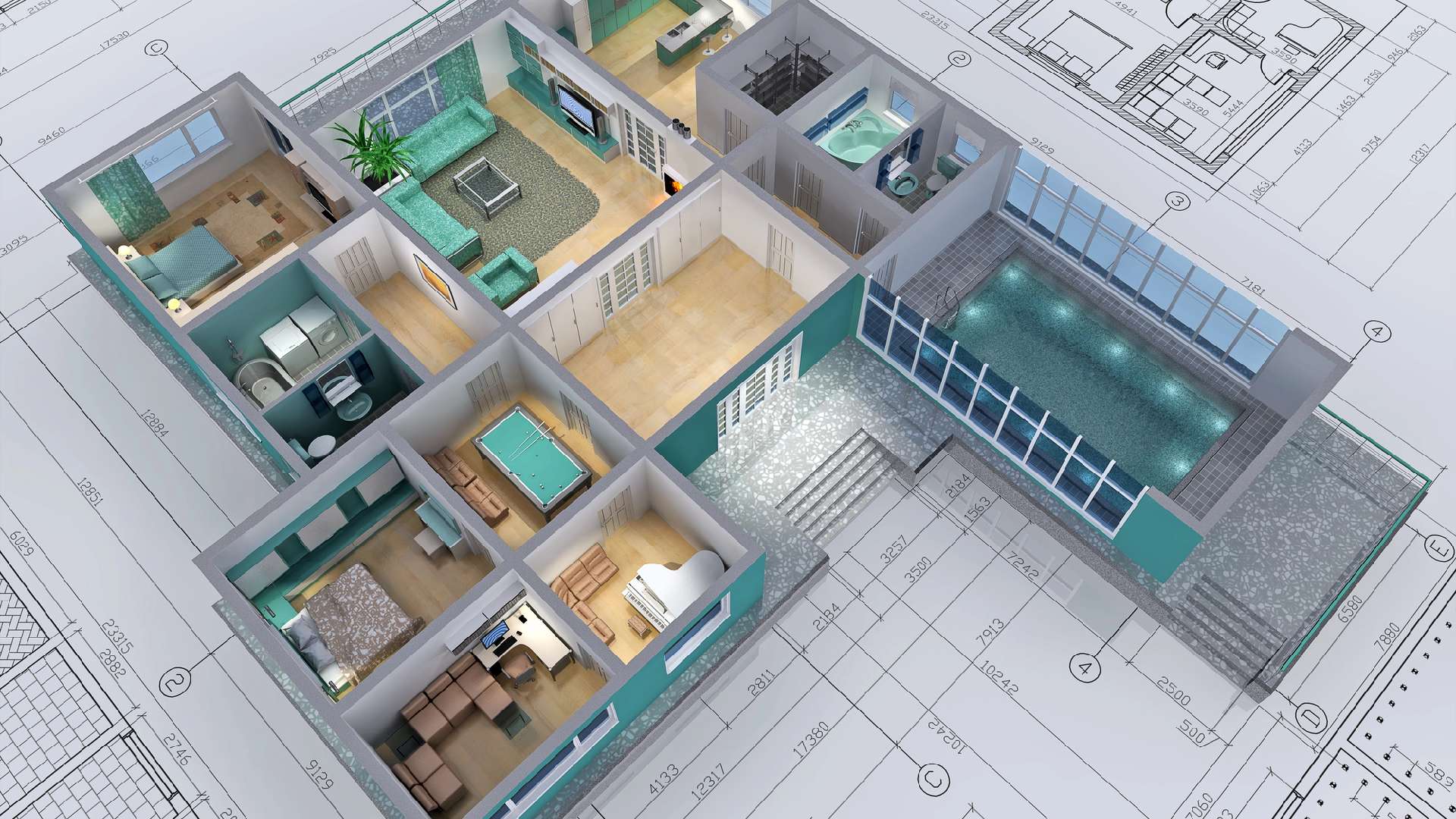
A well-built schedule reflects the actual work behind the scenes. Design development, 3D renderings, plan revisions, structural coordination, permit submissions, product lead times, and inspections all affect construction readiness. If those steps are treated as side notes, the field schedule becomes fragile from day one.
The phases that shape a realistic remodel timeline
A strong remodeling timeline usually moves through three broad phases: planning, approvals and procurement, and construction. Each phase deserves attention because each one reduces risk for the next.
Pre-construction is where control is built
This is the stage where the project becomes real. Measurements are taken, priorities are clarified, layouts are explored, and materials begin to move from inspiration to actual selections. For design-forward projects, this phase also creates visual confidence. Renderings, finish decisions, and scope alignment help homeowners understand not only what the space will look like, but what it will take to build it well.
This is also where trade-offs should be discussed openly. If a client wants custom cabinetry, specialty tile, and layout changes, the timeline needs to reflect that level of customization. If speed is the highest priority, some selections may need to shift toward readily available materials. Good planning is not about saying yes to everything. It is about making smart choices early enough that the build can stay disciplined.
Permits and procurement often run the schedule
For many projects, permit review is one of the least visible but most influential parts of the timeline. Homeowners naturally focus on construction days because that is when the home is changing in front of them. But permit timelines, jurisdiction requirements, revision requests, and inspection scheduling can all affect when work begins and how it progresses.
At the same time, procurement matters more than many people expect. Appliances, windows, plumbing fixtures, custom vanities, and specialty finishes do not all arrive on the same schedule. One delayed item can impact multiple trades if the construction sequence depends on it. That is why material planning should happen early, not after demo.
Construction should follow a clear sequence
Once work begins, the schedule should reflect the actual order of operations. Demolition, framing, rough plumbing, rough electrical, inspections, drywall, tile, cabinetry, paint, finish plumbing, finish electrical, and punch list work each have their place. When the sequence is realistic, the site runs with more order and less friction.
That does not mean every day will look exactly as expected. Weather, inspection windows, hidden conditions, and product issues can still affect progress. What matters is whether the project team anticipated those possibilities and built a schedule that can absorb normal variables without losing momentum.
What causes remodel timelines to slip
Not every delay signals poor management. Some issues are genuinely unpredictable. But many timeline problems come from the same few patterns.
Late decisions are one of the most common. If tile, plumbing fixtures, lighting, or hardware selections are still unresolved during construction, crews can be forced to pause or re-sequence work. Design changes made midstream can have the same effect. Sometimes those changes are worth it. Sometimes they create weeks of extra coordination for a result that could have been resolved earlier on paper.
Incomplete drawings also create avoidable stress. If plans do not answer the practical questions the field team needs answered, work slows down while details are clarified. The same is true when homeowners are given rough timing without enough explanation of dependencies. A calendar full of dates may look reassuring, but if it is not tied to real decisions, real approvals, and real lead times, it will not hold.
Another issue is overpromising. Fast timelines can be tempting, especially when a family is eager to get their home back. But compressed schedules often create a false sense of security. It is far better to set a realistic range, explain where variables live, and communicate consistently than to promise a finish date that was never truly supported by the scope.
How homeowners can support better timeline outcomes
The right contractor should guide the process, but homeowners play an important role too. Projects tend to move more smoothly when clients are engaged early and decisive when approvals are needed.
That starts with clarity about priorities. If your remodel must be complete before a school year, a new baby, or a planned move-in date, say that early. A team can plan around meaningful deadlines more effectively when they understand what is fixed and what is flexible. It also helps to distinguish between must-haves and nice-to-haves. That makes selection and scope decisions easier when time pressure appears.
Responsiveness matters too. Approving drawings, reviewing finish packages, and confirming change decisions within agreed windows helps the project maintain rhythm. Collaborative projects work best when communication is not reactive. It should feel structured, transparent, and steady.
If you will be living at home during construction, timeline planning should also account for real life. Temporary kitchen setups, bathroom access, pet routines, parking, and working from home all affect how the schedule feels on the ground. A technically accurate timeline can still feel chaotic if the household logistics are not discussed upfront.
What good timeline planning looks like in practice
The strongest remodeling schedules do not pretend uncertainty does not exist. They make room for it without letting it dominate the project. That means clear pre-construction milestones, documented selections, coordinated plans, permit readiness, and a build schedule that reflects how trades actually work.
It also means communication that respects the homeowner. Clients should understand what phase they are in, what decisions are due next, and what could affect the path ahead. This is where a design-build approach can make a real difference. When design, planning, and construction management are coordinated under one process, fewer details get lost in handoff, and the timeline tends to become more coherent.
At Clever Design & Remodeling, this kind of structured planning is not treated as paperwork before the real work. It is part of the craftsmanship. Thoughtful scheduling protects the design, supports quality execution, and helps homeowners feel informed instead of sidelined.
Remodeling project timeline planning is really about trust
When homeowners ask for a timeline, they are rarely asking only for dates. They are asking whether the team has a process, whether decisions are being guided well, and whether their investment is being handled with care. A credible schedule answers those questions quietly but powerfully.
The best remodels are not the ones that race from demolition to finish. They are the ones that move with intention, where design, materials, permits, and construction are aligned closely enough that progress feels steady and the finished space feels worth the wait.
If you are planning a remodel, give the timeline the same attention you give the floor plan and finishes. A well-designed home deserves a well-designed process.