
If you are planning a major remodel in the Bay Area, the choice between design build vs general contractor affects far more than who swings the hammer. It shapes how your budget is developed, when design decisions get made, how permitting is handled, and who is accountable when plans on paper collide with the realities inside an older home.
For homeowners investing in kitchens, bathrooms, additions, ADUs, or whole-home renovations, this is not a small administrative choice. It is a project structure decision. And in a region where homes are older, lots are tighter, and permitting can test anyone’s patience, the right structure can protect both your experience and your investment.
What design build vs general contractor really means
A general contractor is typically hired to build from a completed or mostly completed set of plans. In that model, the homeowner often works with a separate designer or architect first, finalizes drawings, and then brings those plans to one or more contractors for pricing and construction.
A design-build firm handles both design and construction under one roof. That does not mean every detail is decided instantly or that there is no outside engineering involved. It means the design, budgeting, scope development, engineering coordination, permit readiness, and construction planning are integrated from the beginning instead of handed off from one company to another.
That distinction matters because remodeling is rarely linear. A beautiful plan is only valuable if it can be permitted, priced realistically, and built well. When design and construction teams work together early, practical decisions tend to happen sooner, not after permits are submitted or walls are opened.
Why Bay Area remodels change the equation
In some markets, the difference between these models is mostly about preference. In the Bay Area, it is often about risk management.
Many homes here come with aging systems, previous unpermitted work, structural quirks, lot coverage constraints, and strict local review processes. A kitchen remodel might reveal electrical upgrades. A bathroom expansion may require structural reinforcement. An ADU or addition can trigger planning, engineering, and utility considerations that are easy to underestimate on the front end.
That is why homeowners who care about design quality and schedule clarity often lean toward a more integrated process. It creates earlier visibility into real construction conditions, likely permit pathways, and the actual cost of the choices being made.
Design build vs general contractor on cost
Homeowners often assume a general contractor route will cost less because they can shop construction pricing after plans are finished. Sometimes that is true, at least on paper. But paper numbers and final project costs are not always the same thing.
With a traditional general contractor model, plans may be drawn before enough construction input has been gathered. If the drawings include details that exceed the budget, the homeowner may need rounds of redesign before the project is workable. If missing details show up later, allowances and change orders can grow. A lower initial bid can end up being less predictable once real-world conditions enter the conversation.
With design-build, budgeting usually develops alongside the design. That does not guarantee the lowest number. Premium materials, custom details, and ambitious structural work still cost what they cost. What it often does provide is earlier cost alignment. Homeowners can compare options while the project is still being shaped, instead of discovering price gaps after they have emotionally committed to a plan.
The trade-off is straightforward. If your top priority is collecting multiple construction bids from a fixed set of completed drawings, a general contractor path may appeal to you. If your top priority is building a realistic project from the start, design-build often creates fewer budget surprises.
Accountability is where the two models feel very different
This is one of the biggest practical differences in design build vs general contractor, and it matters most when something gets complicated.
In a general contractor model, the contractor is responsible for construction, but the plans may come from someone else. If a detail is unclear, expensive to execute, or inconsistent with field conditions, the homeowner can end up in the middle of a back-and-forth between the designer, architect, engineer, and builder. Good teams can navigate this well, but it depends heavily on communication and alignment across separate companies.
In a design-build model, there is one primary team responsible for both the vision and the execution. The design staff and construction staff are solving the same problem together. That tends to reduce finger-pointing and speed up decision-making.
For homeowners, this often feels less fragmented. There is one accountable partner guiding the process, not several professionals working in parallel with different scopes and incentives.
Which model gives you better design?
This is where the conversation gets nuanced. Some homeowners hear “general contractor” and assume construction-first, while “design-build” sounds more creative. The reality depends on who you hire.
A strong architect paired with a disciplined contractor can produce excellent work. A weak design-build firm can still produce ordinary results. The model itself does not guarantee talent.
What design-build can offer, especially for residential remodeling, is a more grounded design process. The design is informed by construction methods, sequencing, budget implications, material lead times, and permit realities from day one. That often leads to homes that are not only beautiful, but deeply livable.
For Bay Area homeowners, that matters. Good remodeling is not just about visual impact. It is about making a narrow kitchen function better, turning an awkward primary bath into a calm retreat, creating room for multigenerational living, or building an ADU that adds long-term flexibility and value. Design should feel elevated, but it also needs to perform.
Timeline and permitting: where integration helps
Permitting rarely rewards a disjointed process. When design decisions, engineering coordination, and construction planning happen in separate phases with separate teams, the project can slow down at every handoff.
A design-build team can often streamline pre-construction because permit drawings, pricing discussions, scope decisions, and constructability reviews are happening in coordination. If revisions are needed, the team is already assembled to make them.
That said, design-build is not magic. Permit timelines still depend on the city, the complexity of the project, and any zoning or planning issues involved. A full-home remodel or addition in the Bay Area will still require patience. The advantage is not that approvals happen overnight. The advantage is that your team is typically better prepared before submitting.
When a general contractor may be the right choice
There are situations where hiring a general contractor after design is a sensible path.
If you already have a complete, permit-ready set of plans from a trusted architect, and you are confident the design aligns with your budget, bidding the project to contractors can work well. It can also make sense if your project is more straightforward, such as limited-scope work with fewer design decisions to resolve.
Some homeowners also prefer separating design from construction because they want an architect or designer acting as an independent representative during the build. That structure can be effective, particularly on highly custom homes or architect-led projects.
The caution is that this route asks more of the homeowner. You may need to coordinate more parties, compare bids with care, and navigate discrepancies between what is drawn, what is priced, and what is possible once work begins.
When design-build tends to be the better fit
Design-build is often the stronger choice when the project is complex, the homeowner wants a guided process, or there are many moving parts to coordinate.
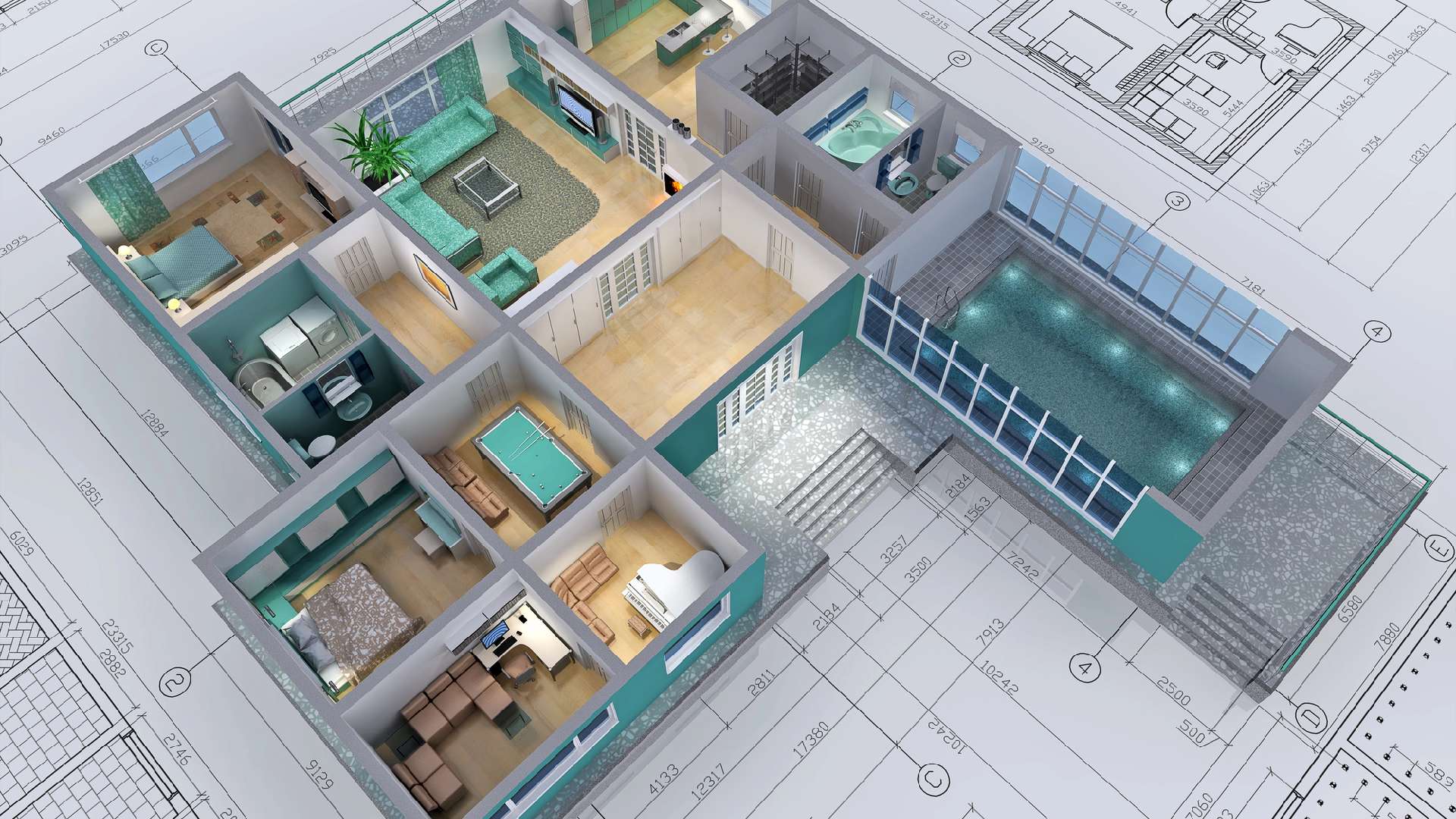
That includes kitchens with layout changes, bathrooms that require plumbing or structural updates, room additions, ADUs, whole-home renovations, and projects where design quality matters as much as construction discipline. It is especially useful when you want 3D visualization, engineering coordination, permit readiness, and construction planning to move in one direction from the start.
For many homeowners, the real benefit is emotional as much as operational. Remodeling your home is personal. You want transparent support, clear communication, and a team that treats your home with care while also protecting your budget and schedule. An integrated model can make the process feel more coherent and collaborative.
How to choose the right partner, not just the right model
The better question is not simply design build vs general contractor. It is which team can take your project from idea to finished space with integrity, clarity, and strong execution.
Ask how the budget is developed. Ask when engineering is involved. Ask what happens if field conditions change. Ask who handles permits, who communicates weekly updates, and how material selections are tracked. Look at completed work, not just renderings. Pay attention to whether the company speaks only about construction, or whether it understands how people actually live in the spaces being remodeled.
If you are hiring a design-build firm, make sure the design side is genuinely strong and not just a sales wrapper around construction. If you are hiring a general contractor, make sure they are comfortable collaborating with outside designers and can identify plan issues before they become expensive.
For homeowners who want one accountable team to guide design, permitting, and construction with upfront communication, a firm like Clever Design & Remodeling often makes the process simpler and more aligned from the beginning.
The right remodeling partner should do more than build what is drawn. They should help shape a smarter project, protect your investment, and create a home that feels as good in daily life as it looks on reveal day.