
If you have ever watched a “simple” Bay Area remodel turn into a months-long detour, you already know the real risk is not tile or paint. It is ambiguity. Who owns the plan? Who owns the schedule? Who answers when a wall opens up and the house has a surprise inside?
Choosing a general contractor is less about finding someone who can build, and more about finding a partner who can think, document, coordinate, and communicate under pressure. In the Bay Area, where permits can be nuanced, housing stock is aging, and the value of your home is often the biggest line item on your balance sheet, the right contractor protects both your lifestyle and your equity.
How to choose a general contractor Bay Area homeowners can trust
Start with a mindset shift: you are not hiring a “crew,” you are hiring a system. A trustworthy general contractor brings a repeatable process that makes your project predictable even when the house is not.
The quickest way to spot that system is to look for specificity. A contractor who speaks clearly about pre-construction, drawings, engineering, permits, procurement, schedule, and change orders is telling you they have a playbook. Someone who stays vague and talks mostly about being “fast” or “cheap” is telling you the opposite.
First, define the kind of project you are actually running
Many projects feel similar at the beginning, but they behave very differently once they start.
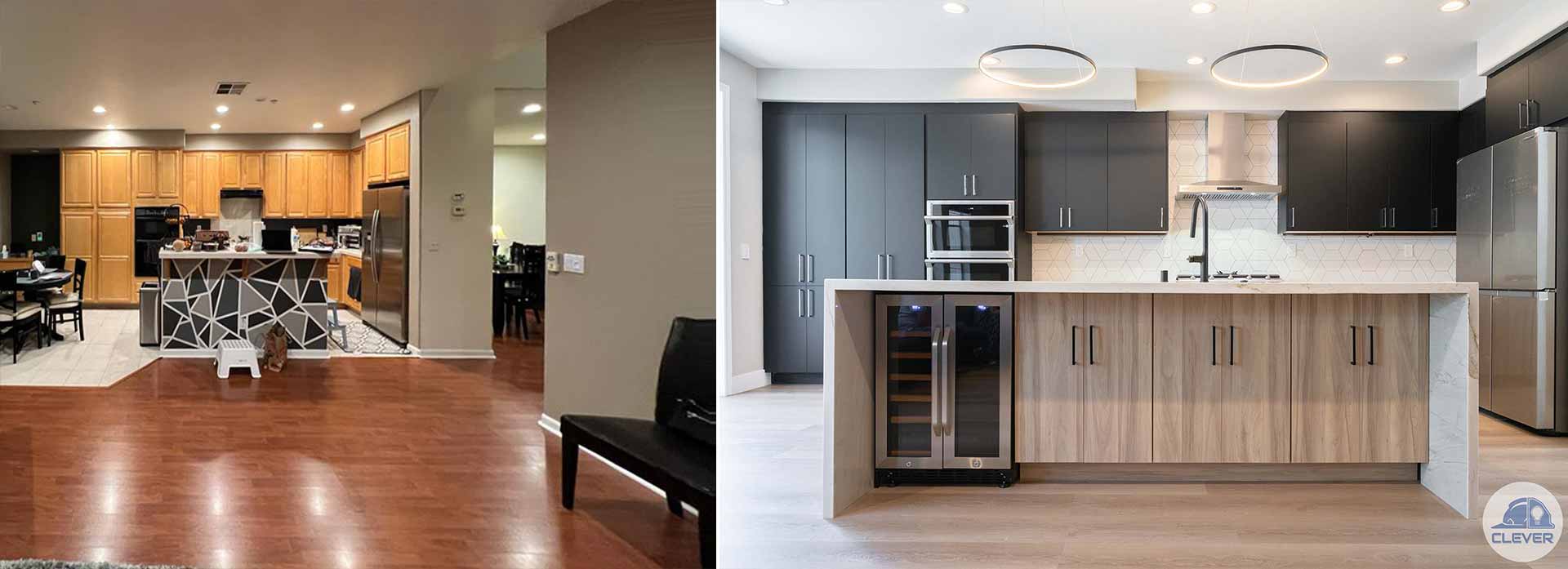
A kitchen remodel in a 1920s home may require electrical upgrades, plumbing reroutes, leveling, and sometimes structural work if walls move. A bathroom remodel can be deceptively complex because waterproofing, ventilation, and inspection timing matter. Room additions and ADUs are their own category entirely, with engineering, setbacks, and utility connections that can change the scope quickly.
When you understand the category you are in, you can choose a contractor who does that work repeatedly, not occasionally. In the Bay Area, repetition is not about being boring – it is about being prepared.
Licensing, insurance, and permits: the baseline, not a bonus
A licensed, bonded, and insured contractor is the starting line. Ask for their license number and verify it. Confirm general liability insurance and workers’ compensation. If a contractor cannot provide this immediately, do not “wait and see.”
Permitting is where many homeowner budgets and schedules get bruised. A strong Bay Area GC does not treat permits as an afterthought or a homeowner responsibility. They should be comfortable describing how they prepare drawings for permit readiness, how they coordinate with engineers when needed, and how inspection sequencing will affect the build.
A good sign is when your contractor talks about reducing uncertainty before demolition begins. That includes site walks, targeted investigation, and a realistic plan for what happens when an inspector asks for a revision.
Design-build vs. traditional bid: decide where you want accountability
There is no single “best” delivery method, but there is a best fit for your tolerance for risk and your desire for clarity.
In a traditional setup, you hire a designer or architect, complete plans, then bid the work to contractors. This can be great for homeowners who want full design independence and have time to manage multiple relationships. The trade-off is that when something is missing from the drawings or the budget, you can end up in a gray zone where each party points elsewhere.
In a design-build model, design and construction live under one roof, with one team responsible for the whole outcome. The advantage is alignment: design decisions are made with cost, constructability, and permitting in mind from the start. The trade-off is that you need to choose a firm whose design sensibility matches yours, because they are not just building your home – they are shaping it.
If you value a collaborative experience with fewer handoffs, design-build can be a smarter path in the Bay Area, especially for kitchens, whole-home renovations, additions, and ADUs.
Interview for communication, not charisma
Most homeowners can tell when a contractor is personable. Fewer homeowners test whether that personality turns into clear communication once the project is underway.
Ask what communication looks like weekly. Who is your daily point of contact: the owner, a project manager, or a lead carpenter? How are decisions documented? How fast do they commit to returning calls or texts? How do they handle after-hours issues if the home is occupied?
Listen for specifics: weekly site meetings, written updates, shared schedules, and documented selections. Remodeling is a decision-heavy process. The contractors who win trust are the ones who make decisions easier to track.
Bids that look “low” are often just incomplete
In remodeling, the cheapest number is not always the cheapest project.
A useful bid is detailed enough that you can see what is included and what is not. That means allowances are clearly defined, subcontractor scopes are spelled out, and exclusions are honest. If two bids are far apart, do not assume one contractor is greedy and the other is generous. More often, one contractor is pricing reality and the other is pricing a version of the project with missing parts.
Ask how the contractor handles unknowns common in Bay Area homes, like outdated wiring, unpermitted work from previous owners, water damage, sloped floors, and structural surprises. A confident GC will explain the investigation they do upfront and the process they follow when something is discovered.
Selection process: your home deserves more than “pick it later”
Selections are where budgets quietly drift.
A contractor with a design-forward process will help you lock key decisions early: layout, cabinetry approach, appliance specs, tile quantities, plumbing fixture rough-in requirements, lighting plans, and finish transitions. This is not about taking away flexibility. It is about protecting the schedule and preventing expensive rework.
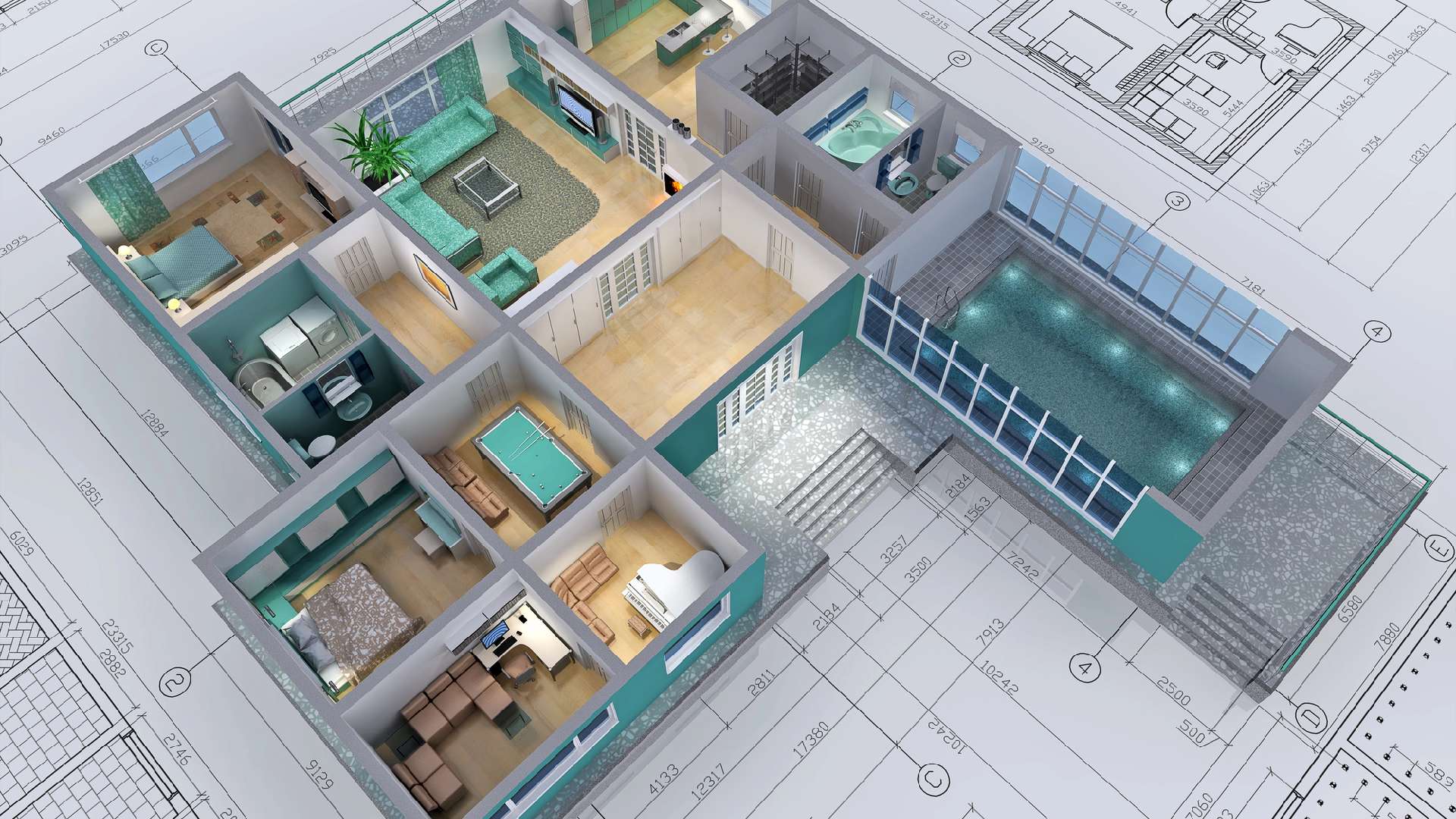
If your contractor supports 3D renderings or visual planning, pay attention to how they use it. The point is not pretty pictures. The point is alignment – fewer assumptions, fewer surprises, and a home that feels intentional when it is finished.
Schedule realism is a form of integrity
A responsible contractor will not promise a perfect timeline. They will promise a transparent one.
Ask how they build the schedule and what milestones are meaningful: demo complete, rough inspections, drywall, cabinetry install, waterproofing, tile, paint, punch list. Ask what typically causes delays in your city or county, and how they plan around long-lead items like windows, custom cabinetry, specialty tile, and electrical gear.
In the Bay Area, a schedule should also reflect lived reality. If you are staying in the home, the plan should address dust control, temporary kitchens or baths, working hours, and how the team protects daily life. Craftsmanship includes care.
Change orders: judge the process, not the existence
No remodel of an older Bay Area home is perfectly predictable. Change orders are not automatically a red flag. The red flag is a contractor who cannot explain how they manage them.
A healthy change order process is written, priced, and approved before the work proceeds. It includes both labor and material impacts, plus schedule impacts. It is not a casual text message and a handshake.
You should also ask about the contractor’s philosophy. Some teams treat change orders as a profit center. Strong partners treat them as a controlled mechanism for clarity when the scope changes.
Past work: look for patterns, not just pretty photos
Portfolios matter, but the deeper value is in consistency.
Look for projects similar in age, style, and complexity to your home. Pay attention to transitions: how cabinets meet floors, how tile wraps corners, how trim aligns, how lighting is layered. These details reveal whether a contractor builds with discipline.
Then ask for references and call them. Ask what happened when something went wrong. That is where you learn how a contractor protects the relationship. A contractor worth hiring has stories about solving problems without turning the experience into conflict.
The Bay Area factor: local fluency is worth paying for
Remodeling here has its own texture.
Different jurisdictions interpret codes differently. Neighborhood constraints affect staging and parking. Older homes can hide knob-and-tube wiring, undersized framing, and foundations that need respect. Even the microclimates matter when you are choosing exterior materials or planning ventilation.
A Bay Area general contractor who is truly local will not just “know the code.” They will know the rhythm of permits, inspections, and trade coordination in your region – and they will help you make choices that hold up in real life, not just in a showroom.
When you want one accountable partner from concept to completion
If your goal is to create a home that feels elevated but still livable, it helps to work with a team that treats design and construction as one conversation. That is the intention behind design-build firms like Clever Design & Remodeling, where planning, visualization, engineering coordination, permit readiness, and project management are built into the same end-to-end process.
The advantage is not just convenience. It is continuity: fewer handoffs, clearer decisions, and a finished space that looks like it was designed on purpose because it was.
Questions to ask before you sign
You do not need a long checklist to make a smart decision. You need a few questions that force clarity.
Ask who will manage your project day to day, how often you will receive updates, and how decisions will be documented. Ask what is required before construction begins, and what drawings and engineering are included. Ask how allowances work and what happens if your selections exceed them. Ask how they handle change orders, and whether they can show you an example of one. Ask what their warranty covers and how service calls are handled after completion.
If the answers feel calm, detailed, and consistent, you are likely dealing with a professional. If they feel slippery, rushed, or overly defensive, trust that feeling.
A final thought: the right contractor will not pressure you to start. They will pressure-test the plan until it can carry the weight of your investment, then build it with care. That is how remodeling becomes less of a gamble and more of a transformation you can actually enjoy living through.