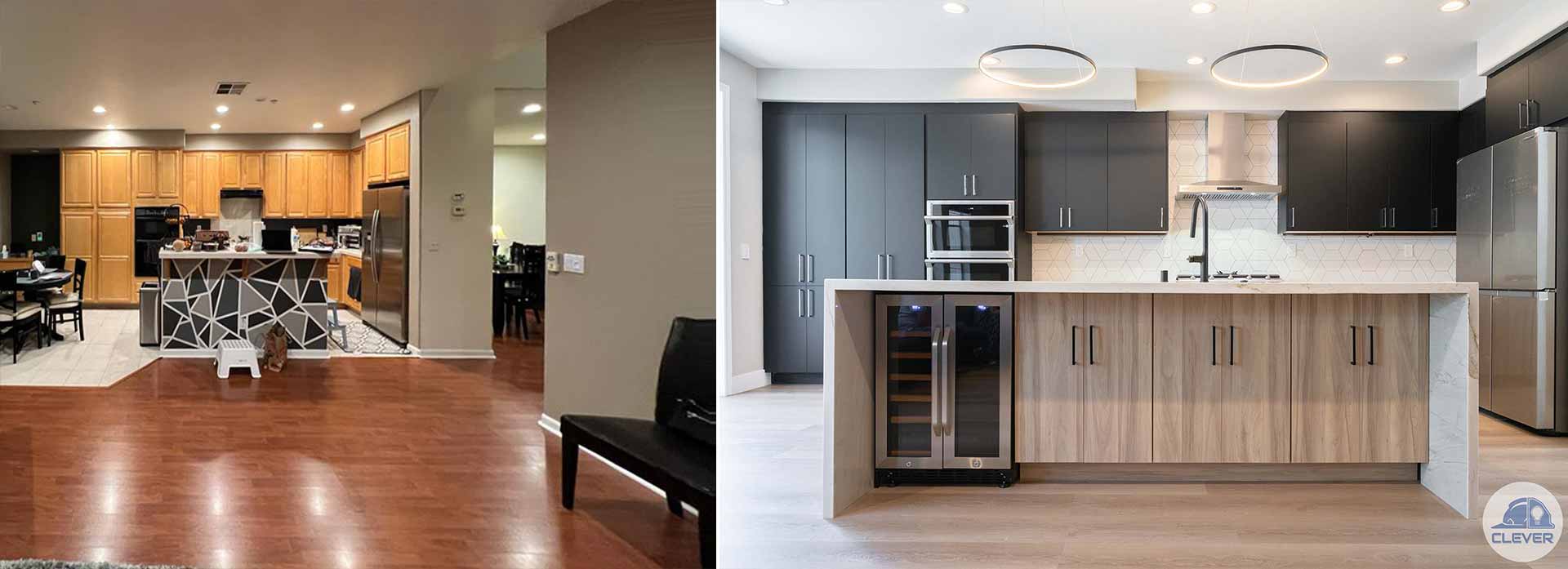

If your Bay Area home is charming but stubborn – the galley kitchen that traps traffic, the single bath that runs your mornings, the back rooms that never quite feel finished – you already know the real problem isn’t one room. It’s the way the entire house lives.
A full renovation is where design meets discipline. It’s also where homeowners can lose months (and money) if the wrong team is steering. If you’re searching for a whole home renovation contractor Bay Area homeowners can rely on, the goal isn’t just to find someone who can build. It’s to choose a partner who can plan, permit, protect your investment, and deliver an elevated home without chaos.
Why whole-home renovations fail without strong leadership
Most full-home remodel stress comes from a leadership gap, not a taste gap. People assume the hardest part is picking finishes. The harder part is aligning scope, engineering realities, and city requirements before a wall ever moves.
In the Bay Area, older housing stock brings surprises: undersized electrical panels, unreinforced foundations, dated plumbing, termite damage, knob-and-tube wiring, and layouts built for a different era of living. Pair that with local permitting, tight neighborhoods, and high labor costs, and “we’ll figure it out as we go” becomes an expensive philosophy.
A whole-home renovation should run like a well-managed production: clear decisions early, tight documentation, a realistic schedule, and a contractor who treats communication as part of the work.
What a whole home renovation contractor Bay Area projects require
A true whole-home contractor isn’t just a general contractor who takes on bigger jobs. Whole-home work requires sequencing across trades, design coordination, and a plan that protects the parts of the home that aren’t being demolished.
At minimum, you want a team that can coordinate design, structural engineering, permitting preparation, procurement, and construction management under one accountable umbrella. If the designer is over here, the engineer is over there, and the GC is trying to interpret everyone’s intentions in the field, small misalignments turn into rework.
Design-build is often the most predictable route for full-home renovations because it forces upfront alignment. The trade-off is that you’re placing a lot of trust in one team, so the vetting needs to be deeper.
Start with the right scope: “whole-home” doesn’t mean “everything”
Many Bay Area homeowners say “whole-home renovation” when they really mean one of three scopes.
Some homes need a layout correction: moving the kitchen, opening walls, reworking circulation, upgrading electrical and plumbing, and finishing with cohesive surfaces. Others need an addition plus renovation, usually to add a bedroom suite, expand the kitchen, or create work-from-home space. And some projects are more of a systems-and-finishes refresh, where the footprint stays but the house gets new life through updated infrastructure, insulation, windows, flooring, and millwork.
It depends on your goals. If resale value is a priority, you may focus on high-impact areas plus infrastructure that buyers in this market scrutinize. If you’re planning to stay long-term, the best scope is the one that makes the home feel effortless day to day – and prevents a second renovation in five years.
Vetting: the questions that reveal real capability
Portfolios are helpful, but they don’t prove a contractor can manage complexity. In whole-home work, the operational questions matter just as much as the aesthetic ones.
Ask how the team handles pre-construction planning. A contractor who invests in documentation will talk about measured drawings, scope definition, allowances versus fixed selections, long-lead ordering, and a realistic permit timeline.
Ask who owns design coordination. If you’re hearing “we’ll build what your designer gives us,” you’re accepting a gap. The best teams coordinate design intent with buildability early so you’re not paying change orders for predictable conflicts.
Ask how communication works. You want a clear point of contact, a cadence for updates, and a system for decisions. Whole-home renovations move fast once demolition starts, and if you’re not making timely approvals, you can lose weeks.
And yes, confirm the basics: licensed, bonded, insured, with a track record in your county and city. Credentials don’t guarantee artistry, but they do signal professionalism.
Pricing reality: fair isn’t the same as cheap
Bay Area full-home renovation pricing is rarely comparable across bids unless the scope is documented at the same level. If one bid is based on conceptual plans and another is based on detailed drawings with defined finishes, you’re not looking at the same project.
A responsible contractor will explain where numbers are fixed and where they’re allowances. Allowances are not inherently bad – they can be practical when you haven’t selected every tile and fixture – but they should be realistic for your neighborhood and expectations. A low allowance can make a proposal look attractive and then punish you later.
Also ask how change orders are handled. Some changes are unavoidable in older homes. The difference is whether the contractor communicates early, prices changes transparently, and documents approvals before proceeding.
Timeline: the schedule should be specific, not comforting
A whole-home renovation timeline should reflect how decisions and materials affect the build. If the schedule doesn’t mention procurement or long-lead items, it’s incomplete.
In general, projects move faster when the design is substantially finished before construction begins. That includes engineering coordination and permit readiness. When the contractor starts demolition while the design is still evolving, you’re paying for stops and starts.
You should also talk about how the team will protect livability if you plan to stay in the home. Sometimes it’s possible with phased work, temporary kitchens, or isolating zones. Often, the best decision is to move out for the heavy portion. It depends on the number of bathrooms, the extent of mechanical work, and how much dust and access disruption you can tolerate.
Permits and inspections: where Bay Area experience matters
Permitting is not a clerical task. It’s part of project strategy.
Different jurisdictions across San Francisco, San Mateo, Santa Clara, and Alameda counties have different review timelines, requirements, and inspection rhythms. A contractor who works locally will anticipate what plans need to show, how to coordinate structural calculations, and how to avoid preventable resubmittals.
If your renovation includes structural changes, service upgrades, seismic work, or an addition, that experience becomes even more valuable. You want a team that respects the process, not one that treats it like an obstacle.
Design cohesion: the difference between “new rooms” and a new home
The most satisfying whole-home renovations feel intentional. You don’t walk from a modern kitchen into a hallway that still feels like 1978. Cohesion comes from repeated materials, consistent trim language, a deliberate lighting plan, and details like aligned sightlines and thoughtful transitions.
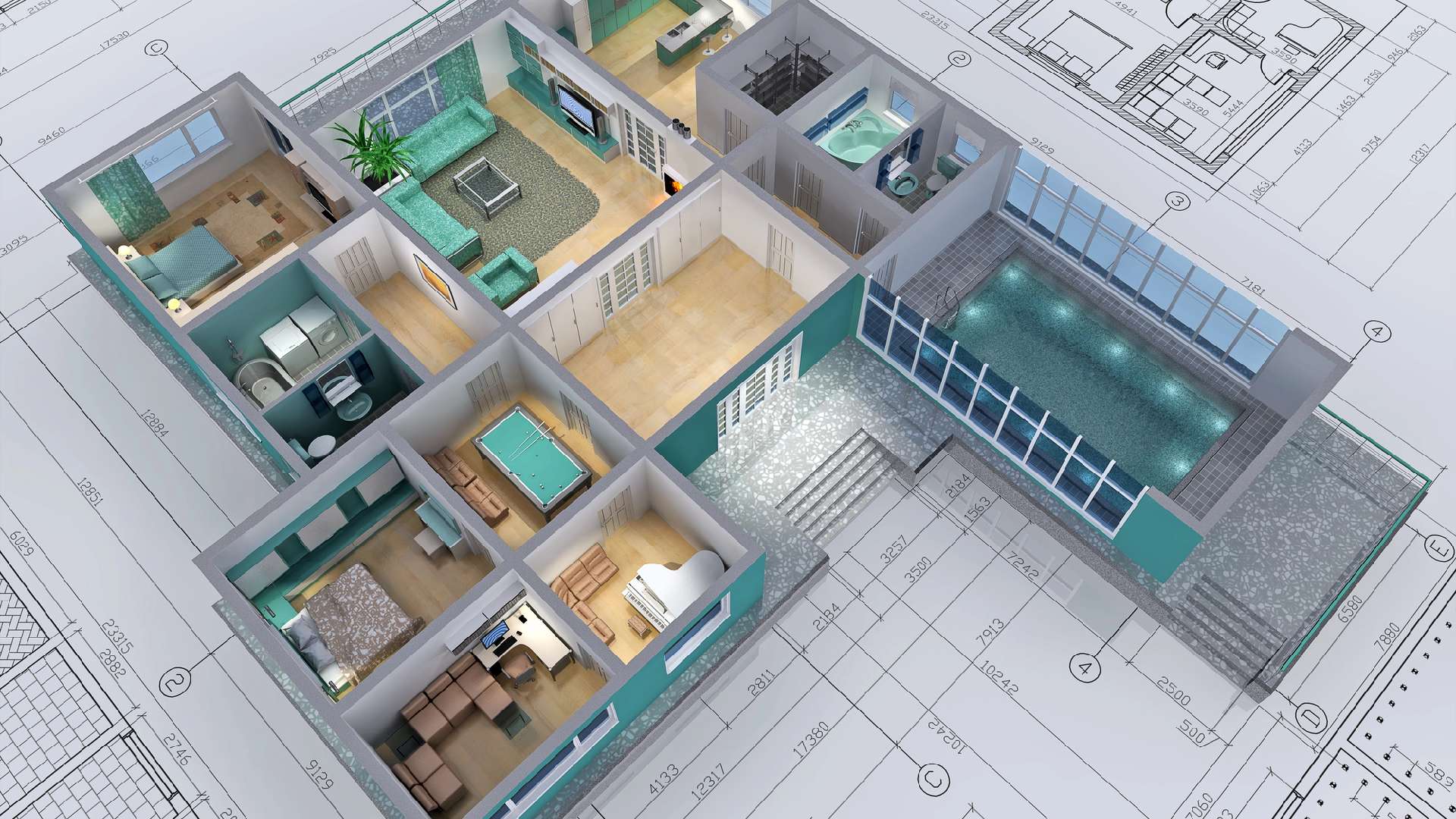
This is where design-forward planning earns its keep. A contractor who collaborates with in-house or closely aligned designers can help you make choices that support the architecture of the home and the way you live. It’s also where tools like 3D renderings reduce risk. When you can see scale, flow, and finishes before construction, you make better decisions and avoid expensive midstream reversals.
Quality control: what “craft” looks like in a full renovation
Homeowners often judge quality by the finished photos. Professionals judge it by what’s hidden and what’s consistent.
You want clean substrate prep under tile, correct waterproofing in wet areas, properly sized HVAC and ducting, tidy rough-ins, and a jobsite that’s organized enough to reduce mistakes. You also want a punch process that’s thorough, not rushed. Full-home projects touch dozens of details, and the final 5 percent determines whether the home feels premium.
Ask how the contractor manages inspections, internal quality checks, and final walkthroughs. The best teams treat these steps as part of their brand integrity.
The client experience: collaboration without decision fatigue
A whole-home renovation is personal. It can also become overwhelming if every decision lands on you at the last minute.
Look for a contractor who guides decisions in a structured way: aligning your priorities early, presenting curated options, and helping you understand trade-offs. For example, you may choose between keeping some existing windows to protect budget versus replacing for comfort and energy performance. You may invest in custom cabinetry where it matters and choose smart standardization elsewhere.
A collaborative process is not “hands off.” It’s transparent support, with clear options and clear consequences so you stay in control without being buried.
What to expect from a design-build partner
If you want one accountable team from concept to completion, design-build is designed for that. The best design-build firms will walk you through a defined sequence: discovery, design development, engineering, permit readiness, and then construction with dedicated project management.
You’ll typically see more effort upfront, which can feel slower at first. The payoff is fewer surprises mid-build and a more predictable path through the most expensive phase of the project.
If you’re exploring a design-forward, process-led team for a whole-home renovation, Clever Design & Remodeling is one example of a Bay Area firm that combines in-house design support, 3D planning, and disciplined construction management under one roof.
A homeowner’s decision that protects value
A whole-home renovation is not just a construction project. It’s a long-term decision about how you want to live, and how you want your property to perform in one of the most demanding housing markets in the country.
Choose the contractor who makes the hard parts feel handled: the planning, the permits, the sequencing, the communication, and the craft. When that foundation is solid, the fun part – creating a home that feels like it was always meant to be yours – becomes possible.