
Hiring the wrong contractor rarely looks obvious on day one. The bid may be polished, the timeline may sound efficient, and the salesperson may say all the right things. The real test comes later – when permits stall, change orders stack up, subcontractors rotate in and out, or an insurance claim turns into a finger-pointing exercise. That is exactly why a licensed bonded insured contractor checklist matters before you sign anything.
For Bay Area homeowners planning a kitchen remodel, room addition, ADU, or full-home renovation, this is not just about checking boxes. It is about protecting your investment, your property, and your experience during a complex project. A beautiful result still needs disciplined execution behind it.
Why a licensed bonded insured contractor checklist matters
In residential remodeling, credentials are not a marketing extra. They are part of the basic risk structure of the job. A valid license shows the contractor meets state requirements to perform contracted work. Bonding adds a layer of financial protection in specific situations. Insurance helps cover liability and jobsite risk when something goes wrong.
That said, homeowners often hear the phrase “licensed, bonded, and insured” so often that it starts to feel automatic. It is not. You still need to verify what those words actually mean for your project, because coverage amounts, license classifications, and company structure can vary.
A contractor may be perfectly legitimate for one type of job and not set up well for another. A handyman operation handling cosmetic updates is not the same as a design-build firm coordinating plans, engineering, permits, structural work, and finish selections. The larger and more integrated the remodel, the more important it becomes to look beyond the slogan.
Your licensed bonded insured contractor checklist
Start with the contractor’s full legal business name, license number, and contact information. These details should match across the proposal, website, certificate documents, and public registration records. If names are inconsistent, ask why. Sometimes there is a reasonable explanation, such as a DBA, but you want that clarified before moving forward.
1. Confirm the contractor license is active
Ask for the license number and verify that it is active and in good standing with the relevant state authority. For California homeowners, this step is essential. Check that the license classification fits the scope of your work. If you are planning a major remodel with structural, mechanical, electrical, and plumbing coordination, the contractor should be properly positioned to manage that level of work.
Also review whether there is a history of disciplinary action or unresolved issues. One old complaint is not always a dealbreaker. A pattern of serious violations is.
2. Check bond status, not just the claim
When a contractor says they are bonded, ask what bond is in place and what it covers. Homeowners sometimes assume bonding functions like broad project insurance. It does not. A contractor bond is more limited and typically tied to licensing compliance or certain failures to meet obligations.
The practical takeaway is simple: bond status matters, but it should not give you a false sense of total protection. It is one part of the picture, not the whole picture.
3. Request proof of general liability insurance
Do not settle for a verbal assurance. Ask for a current certificate of insurance and review the effective dates, carrier, and coverage limits. For a substantial remodel, this is one of the most important documents you can review.
General liability insurance helps address property damage and certain third-party claims. If a contractor is working in and around an occupied home, you want to know there is a real policy behind the promise. If the project is especially complex or high-value, ask whether coverage levels are appropriate for the scale of work.
4. Ask about workers’ compensation
If the company has employees, workers’ compensation coverage is critical. Without it, an injury on your property can become much more complicated than most homeowners expect. This is especially relevant on remodels with demolition, framing, roofing, excavation, or other higher-risk activities.
If a contractor says everyone is an independent subcontractor, pause there. That model is not always wrong, but it deserves a closer look. You want to understand who is actually on your property and how jobsite responsibility is handled.
5. Understand who pulls permits
A qualified contractor should be willing to take responsibility for permits when permits are required. Be cautious if you are asked to pull an owner-builder permit for a project the contractor is truly managing. In some cases, that shifts responsibility onto you in ways you may not intend.
Permitting is also a useful signal of how the company works. Contractors with a structured process usually account for drawings, engineering coordination, code review, and city response time before construction begins. That kind of planning tends to produce a calmer project.
6. Review the contract with a practical eye
The contract should clearly identify scope, payment schedule, change order procedures, estimated timing, exclusions, and warranty terms. If a proposal feels thin, vague, or overly verbal, ask for more detail.
A good contract does not need to be dramatic or hard to read. It needs to be specific. Homeowners are better protected when materials, responsibilities, and decision points are spelled out upfront.
7. Ask how subcontractors are vetted and managed
Even excellent general contractors rely on specialty trades. The question is not whether subcontractors are used. The question is how they are selected, scheduled, supervised, and held to quality standards.
Ask who manages day-to-day production, who communicates updates, and how workmanship is reviewed before completion. If the contractor cannot explain their process clearly, that usually shows up later in avoidable delays and inconsistent finishes.
Credentials are only part of the story
A licensed bonded insured contractor checklist should filter out obvious risk, but it does not tell you whether the company is the right fit for your home. Two contractors can both be properly credentialed and still deliver very different experiences.
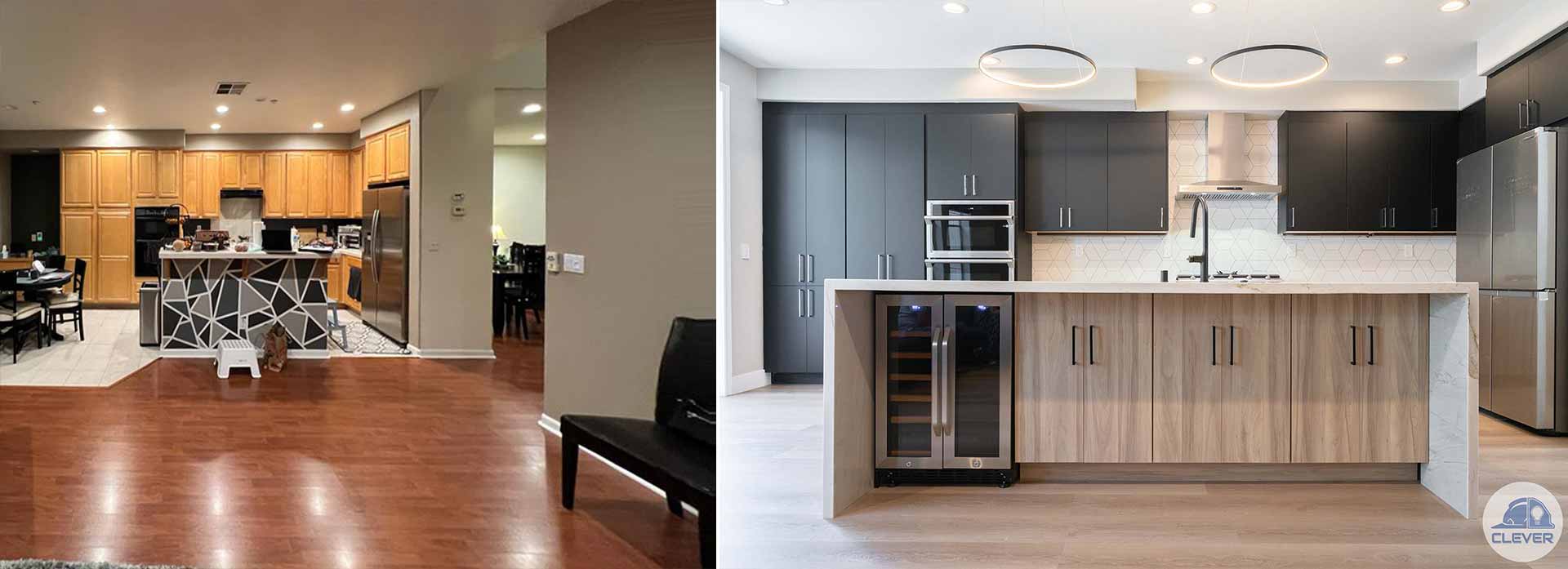
This is where process matters. For larger remodels, homeowners benefit from a team that can connect design, pricing, engineering, permitting, and construction rather than treating each phase as a separate handoff. A design-forward process is not only about aesthetics. It also reduces uncertainty by forcing important decisions earlier, when changes are easier and less expensive to manage.
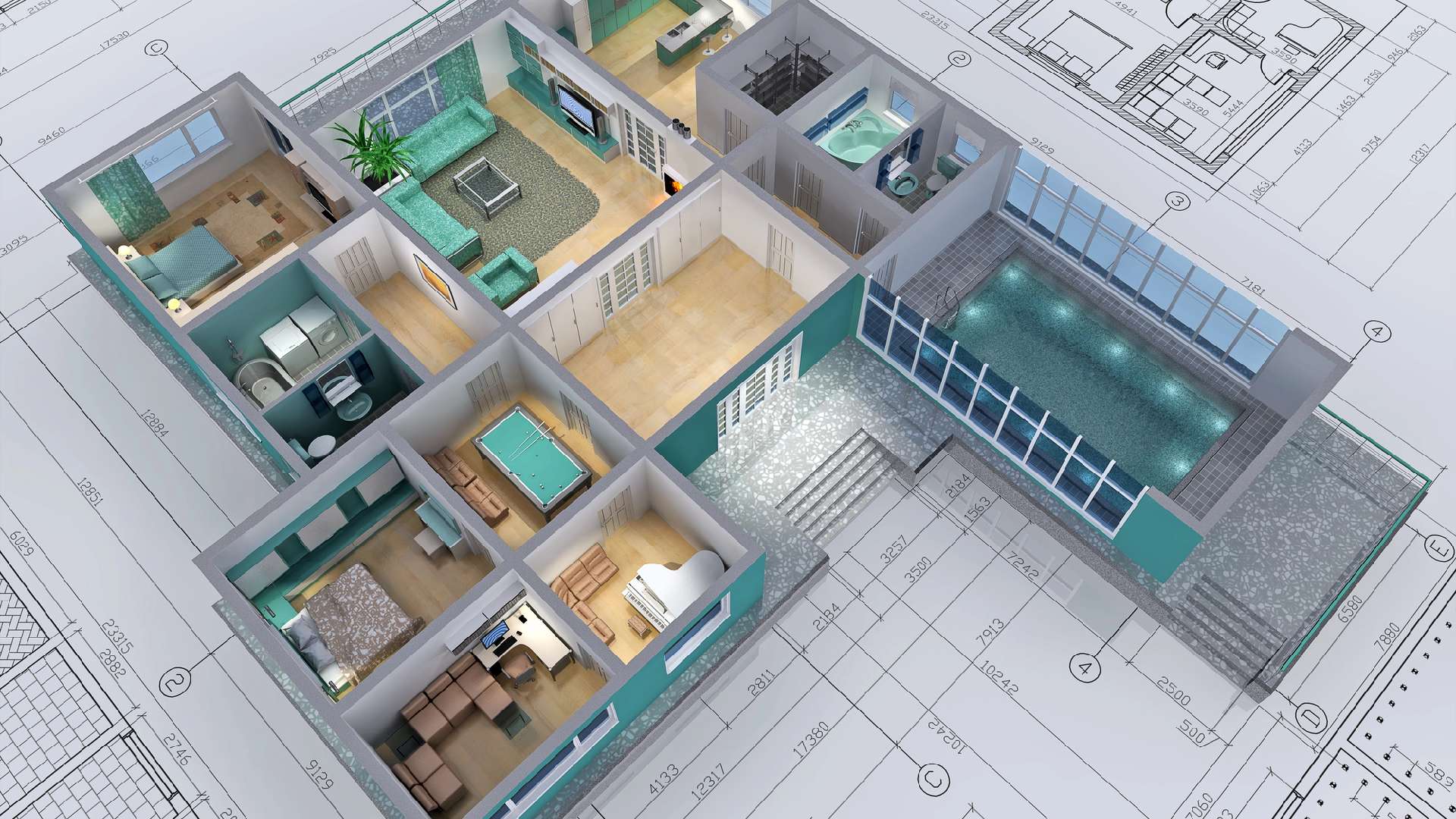
In practice, that may include measured plans, 3D renderings, finish selections, scope development, and permit-ready documentation before the build begins. That level of preparation tends to support budget discipline and cleaner execution. It is one reason many Bay Area homeowners prefer a single accountable partner over piecing together designers, draftspeople, and builders on their own.
Questions worth asking before you hire
Once the credentials are verified, move into the operating questions. Ask how often you will receive updates, who your main point of contact will be, and what happens when selections or unforeseen site conditions affect cost. Remodeling older Bay Area homes almost always includes some degree of discovery once walls are opened.
The right contractor will not pretend surprises never happen. They will explain how they handle them. Transparent communication, documented change orders, and realistic scheduling are often stronger indicators of a successful project than a low initial bid.
It is also smart to ask for examples of similar work. A company that excels at cosmetic kitchen facelifts may not be the best fit for a structural addition or an ADU with utility coordination and planning review. Matching experience to scope is one of the most overlooked parts of contractor selection.
What homeowners often miss
One common mistake is focusing so heavily on price that they overlook accountability. A lower bid can come from a thinner scope, weaker pre-construction planning, or missing protections rather than true efficiency. Another is assuming insurance and licensing automatically guarantee craftsmanship. They do not.
The best hiring decisions usually balance three things: verified credentials, a clear process, and a communication style you trust. If one of those is missing, the project can still become stressful even if the finished photos look good online.
For homeowners who want a guided remodeling experience with strong design planning and disciplined build management, firms like Clever Design & Remodeling stand out because they pair creative vision with permit readiness, transparent support, and a single team accountable from concept through construction.
A home remodel asks for more than a contractor who can build. It asks for a partner who respects the home, the budget, and the people living through the process. Use your checklist, ask sharper questions, and choose the team that makes confidence feel earned from the start.