
The wrong contractor usually looks fine at the beginning. The estimate seems reasonable. The timeline sounds confident. The photos are polished. Then the questions start piling up – who is handling permits, why did the price change, and why does nobody return calls once demolition begins?
If you are planning a kitchen remodel, bathroom renovation, addition, ADU, or full-home update in the Bay Area, choosing the right partner is not a minor step. It is the decision that shapes your budget, schedule, daily stress level, and the final quality of your home. Good remodeling is never just construction. It is design judgment, technical planning, communication discipline, and follow-through.
How to choose a remodeling contractor starts with process
Most homeowners begin by looking at style, price, and reviews. Those matter, but process matters more than many people realize. A beautiful portfolio does not tell you how a contractor manages engineering, handles change orders, prepares plans for permits, or keeps you informed when conditions inside an older home shift the scope.
A strong remodeling contractor should be able to explain exactly how your project moves from ideas to finished spaces. That usually includes discovery, design development, budgeting, scope alignment, plan preparation, permit coordination, material selection, construction, and final walkthrough. If a company is vague about what happens between the first meeting and the first day on site, expect gaps later.
This is especially true in the Bay Area, where older housing stock, tight lots, local jurisdiction requirements, and high expectations for finish quality can make remodeling more complex than it first appears. You want a team that has a system, not just a crew.
Look for design-build thinking, not just labor
When homeowners ask how to choose a remodeling contractor, they often focus on who can build. A better question is who can think through the whole project.
That distinction matters because remodeling is full of interconnected decisions. Moving a wall affects structure, lighting, flooring transitions, and sometimes HVAC or plumbing. Expanding a kitchen changes appliance layout, cabinet depth, circulation, and permit scope. Building an ADU or addition requires even more coordination across design, engineering, site conditions, and city approvals.
A contractor with design-build capabilities or close integration between design and construction can often spot issues earlier, price more accurately, and help you make better trade-offs before they become expensive surprises. That does not mean every project needs high-concept architecture. It means your contractor should understand how design choices affect cost, buildability, and long-term livability.
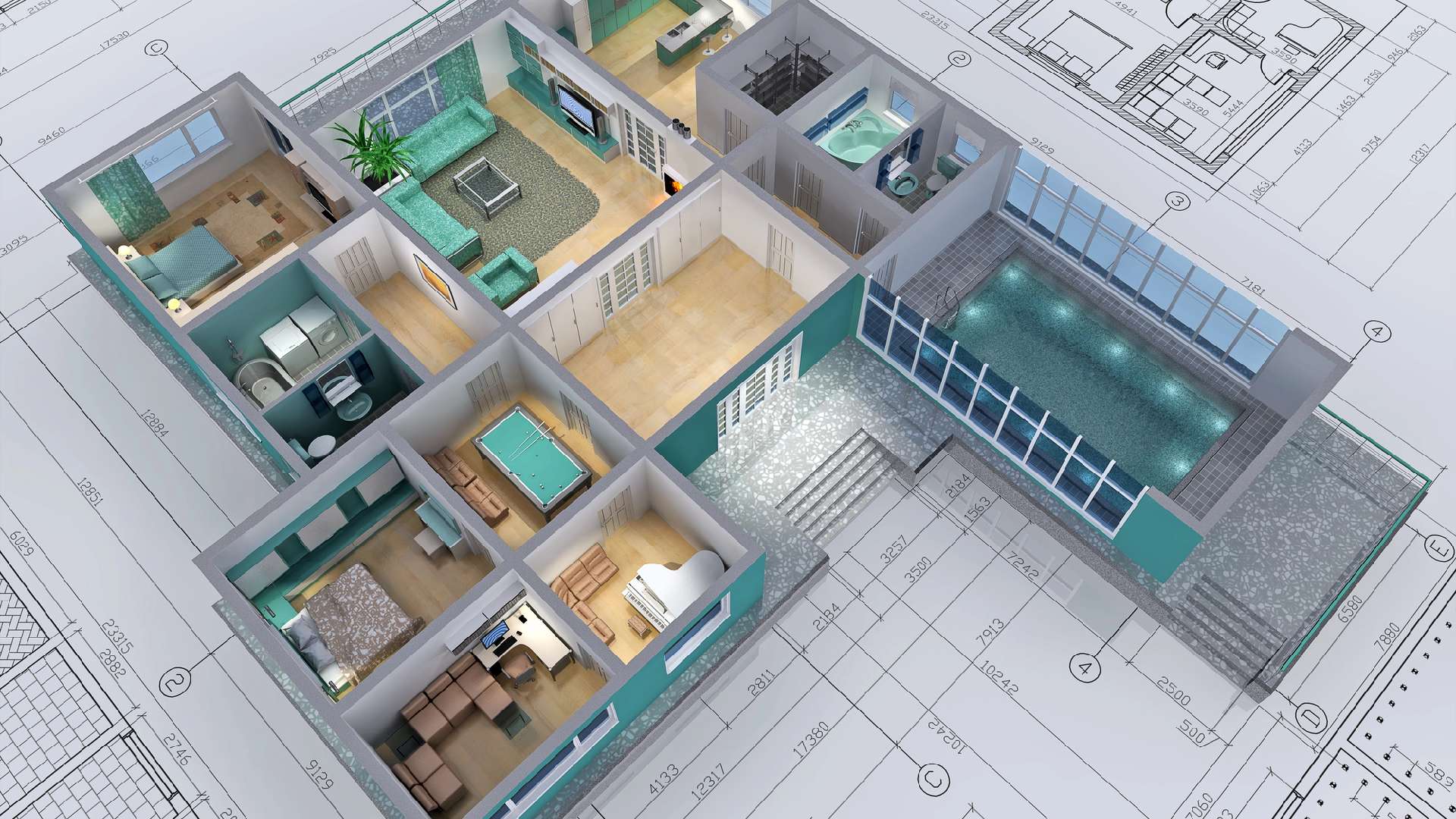
Ask how they develop plans, whether they use 3D renderings or visual tools, how they coordinate with engineers, and at what point selections are finalized. A thoughtful answer usually signals a disciplined operation.
Verify credentials, but do not stop there
Yes, you should confirm that any contractor you are considering is licensed, bonded, and insured. That is basic homeowner protection, not a premium feature. You should also ask whether they regularly pull permits for the type of work you are planning and whether they use employees, subcontractors, or a mix of both.
But credentials alone do not tell you how a project will feel once it is underway. Two companies can both be licensed and still deliver completely different client experiences. One may communicate clearly, document scope carefully, and keep a clean job site. The other may disappear for days and treat your home like a warehouse.
That is why references matter. Ask to speak with recent clients whose projects are similar in size and complexity to yours. Do not just ask whether they liked the finished result. Ask whether the contractor stayed communicative when issues came up, whether pricing remained understandable, and whether the team was respectful of the household throughout the work.
Compare bids for clarity, not just cost
A low estimate can be attractive, especially when remodeling numbers start climbing fast. But the cheapest proposal is often the one that leaves the most out.
A meaningful bid should describe the scope in enough detail that you can understand what is included, what is excluded, and where allowances apply. If one contractor gives you a one-page number and another gives you a detailed breakdown, those are not equal proposals. One is asking you to trust assumptions that may later turn into added costs.
There is always some variability in remodeling because existing homes hide conditions behind walls and under floors. Honest contractors will tell you that. What you want is transparency around the knowns, the assumptions, and the process for handling unknowns.
When comparing estimates, pay attention to whether material quality is specified, whether demolition and disposal are included, whether permit fees are addressed, and how contingencies are discussed. A more expensive bid can actually be the safer and more predictable choice if it is better defined.
Pay attention to how they communicate before you sign
The early conversations tell you a lot. If a contractor is hard to reach before they have your deposit, communication is unlikely to improve once your project is in motion.
Notice whether they listen closely to your goals or rush toward a standard solution. Notice whether they answer questions directly or hide behind jargon. Notice whether they can talk about both aesthetics and execution. Homeowners investing in major renovations usually need more than labor. They need transparent support, practical guidance, and a partner who can explain trade-offs without pressure.
Good communication also means being realistic. A trustworthy contractor will not promise a perfect schedule, no disruptions, or zero surprises. They will explain where the risks are, what decisions you need to make early, and how they keep the project moving when conditions change. Confidence is good. False certainty is not.
Review real work with a critical eye
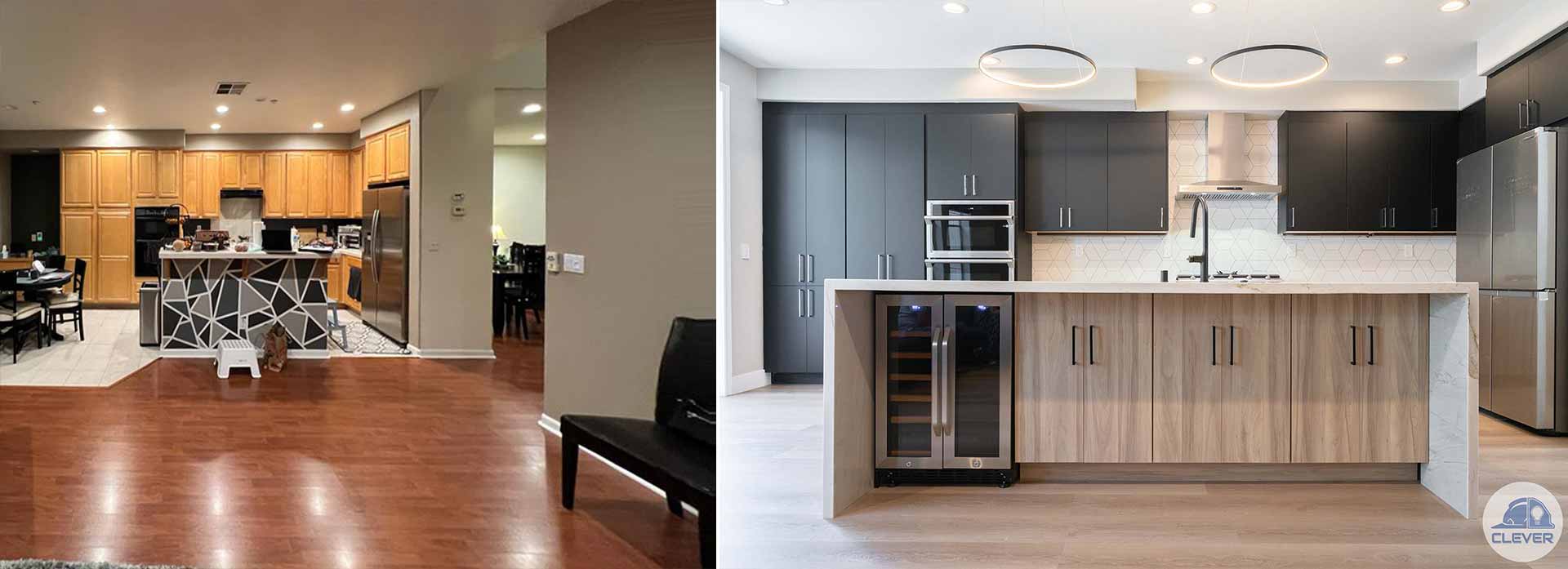
Photos are useful, but they can be misleading if you only look for style. When reviewing a contractor’s portfolio, look at range and consistency. Can they deliver different aesthetics while maintaining quality? Do kitchens look thoughtfully planned or simply expensive? Do bathrooms feel resolved in their tile layout, lighting, and storage? Do additions appear integrated with the existing home rather than attached as an afterthought?
If before-and-after examples are available, they are even more helpful. They show how the team approaches transformation, not just finish photography. Press mentions and awards can be encouraging, but they should support the core proof, not replace it.
If possible, ask to see examples of projects similar to yours in age, scale, and complexity. A contractor who excels at cosmetic updates may not be the best fit for structural reconfiguration or ADU work. It depends on what you are building and how much coordination it requires.
Ask who will actually run your project
Homeowners are often sold by an owner or salesperson and then handed off to a rotating cast once work begins. That is not always a problem, but you should know exactly who your day-to-day contact will be.
Ask who manages scheduling, who handles field questions, who communicates budget changes, and how often you will receive updates. Ask whether there is a dedicated project manager and what the cadence of communication looks like. Weekly check-ins, selection deadlines, and documented approvals can make the experience far smoother.
This is one of the clearest differences between a contractor that simply builds and a firm that manages the full client journey. The best remodeling experiences feel collaborative and organized, not mysterious.
Make sure the fit is right for your priorities
Not every good contractor is the right contractor for you. Some firms are best for homeowners who want fast, functional updates. Others are better suited to design-forward renovations where details, materials, and spatial planning carry more weight.
If your priorities include strong aesthetics, careful planning, permit readiness, and a guided process from concept through construction, choose a company built for that level of service. If your only goal is to complete a basic refresh at the lowest possible cost, your selection criteria may look different. Neither approach is automatically wrong, but mixing expectations is where frustration begins.
For Bay Area homeowners making meaningful investments in their homes, the best choice is usually a contractor that values both craft and structure – creative enough to improve how the home lives, disciplined enough to protect budget and schedule, and transparent enough to earn trust at every step.
A firm like Clever Design & Remodeling reflects that model through a collaborative design-build process, upfront communication, and the kind of planning that helps homeowners make decisions with confidence before construction begins.
Questions worth asking before you decide
A final interview should leave you with more clarity, not more sales energy. Ask how they define project scope, what happens before construction starts, how they handle changes, how selections are managed, and what a realistic timeline looks like for your kind of project. Ask what can delay permits, what often surprises homeowners, and what they need from you to keep momentum.
The right contractor will not be annoyed by thoughtful questions. They will welcome them. Remodeling your home is personal. It affects how you live, how you spend, and how much confidence you feel every time a new decision appears.
Choose the team that treats that responsibility with care. The best remodels begin long before the first cabinet is installed or the first wall comes down. They begin when you find a partner whose process, communication, and standards make your home feel like it is in the right hands.