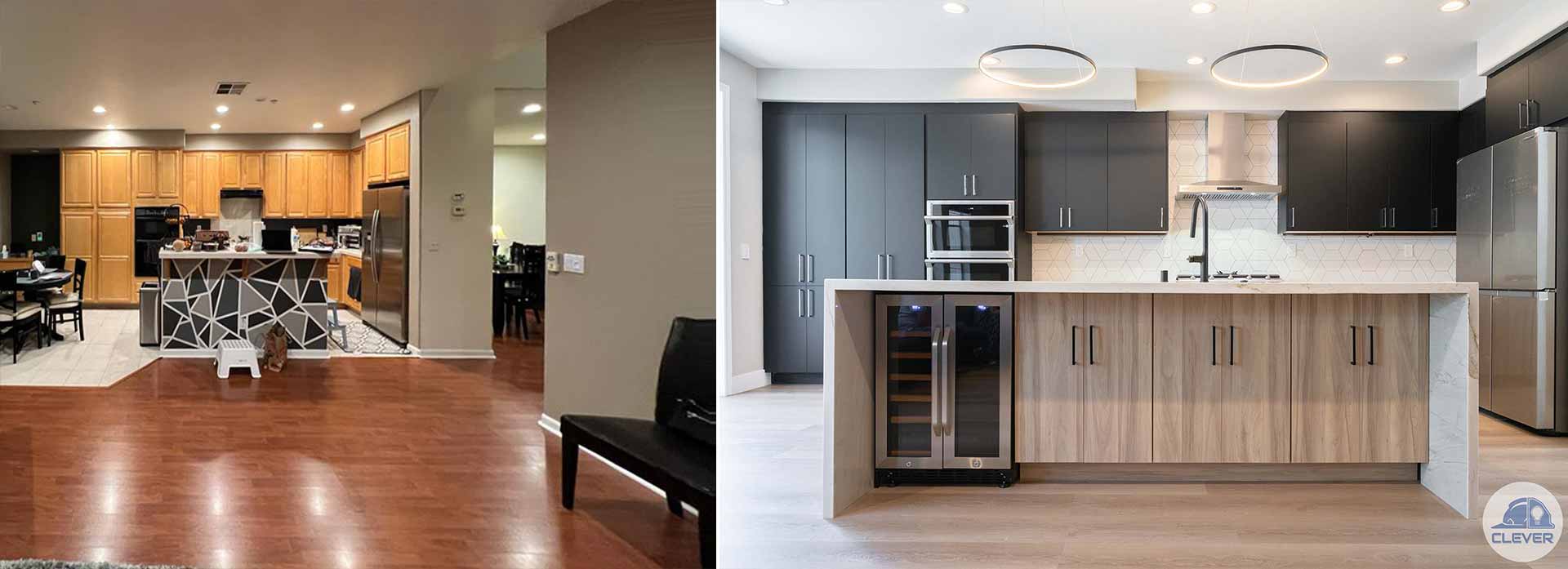

You can usually tell within 15 minutes whether a design-build contractor is going to protect your home – or treat your remodel like a production line.
In the Bay Area, that distinction matters. A kitchen that looks effortless on Pinterest can become a permit maze. A “simple” bath refresh can expose old plumbing, questionable framing, or layers of unpermitted work. And with high property values, the cost of a sloppy decision isn’t just frustration – it can show up at resale.
Design-build is supposed to solve that by putting design, engineering, permitting, and construction under one accountable roof. But not all design-build firms run the same way. Some are design-led but loose on execution. Others are build-first and treat design as a quick sketch. The right questions reveal which one you’re talking to.
The questions to ask a design build contractor before you sign
1) Who is responsible for design, and who is responsible for construction?
In a true design-build model, accountability is clear. Ask whether the designer and the builder are part of the same team, how they coordinate day-to-day, and who makes final calls when design intent conflicts with field conditions.
A good answer doesn’t just name job titles. It explains how decisions flow, how changes are approved, and how you stay in the loop.
2) What does your pre-construction process include?
If a contractor jumps straight to “We can start in six weeks,” pause. Pre-construction is where great remodels are won – scope clarity, selections, constructability, and budget alignment.
You want to hear specifics: site measurements, as-built documentation, early engineering conversations when needed, and a plan for selections so you’re not choosing tile under deadline pressure.
3) Do you provide 3D renderings or visual design tools?
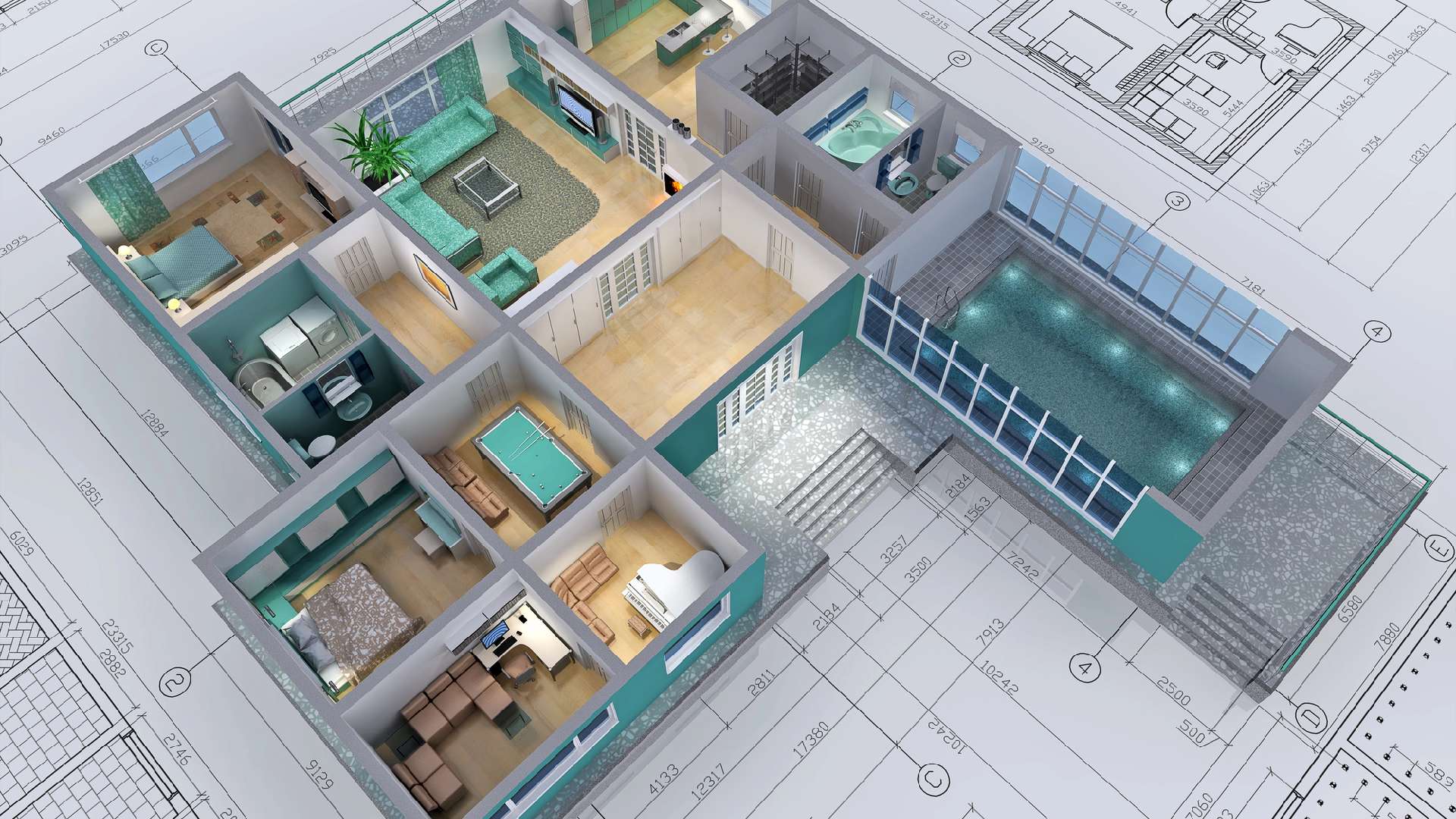
This is less about fancy visuals and more about preventing expensive misalignment. A 3D view can catch layout issues, awkward clearances, and proportion problems before framing begins.
If they don’t offer 3D, ask what they do instead to confirm design intent. Some teams do great work with detailed elevations and specifications. The key is that the design is build-ready, not just inspirational.
4) How do you develop the budget – and how early is it reliable?
“Ballpark” numbers are common early on, but you should understand what’s assumed. Ask what’s included, what’s excluded, and how they handle allowances for items you haven’t selected yet.
It depends on the project type. A like-for-like refresh can be estimated sooner. A wall-moving renovation, addition, or ADU needs more discovery and design development before pricing is truly stable.
5) Are you licensed, bonded, and insured – and what does that coverage look like?
This is basic, but it’s not optional. Ask for license details, proof of insurance, and whether they carry workers’ comp. In California, the right coverage protects you if something goes wrong on-site.
If the answer feels evasive or rushed, treat that as a signal.
6) Who will manage my project day to day?
Many homeowners meet a charismatic salesperson and never see them again. Ask who your point of contact is once you sign, how often you’ll receive updates, and what communication looks like when decisions are needed quickly.
Strong teams set expectations: meeting cadence, written recaps, and a clear path for questions so you’re not chasing information.
7) How do you handle permitting in my city?
Permitting is local and nuanced. San Francisco is not San Jose. Oakland is not Burlingame. Ask how they approach permit readiness, who prepares the drawings, and how they coordinate with plan check.
You’re listening for maturity: a contractor who respects the process, plans for it, and designs with code in mind from the start.
8) Do you coordinate structural engineering when needed?
If your project touches load-bearing walls, foundations, second-story additions, or seismic upgrades, you may need engineering. Ask whether they have engineers they regularly work with and when engineering gets involved.
The best experience is proactive: engineering is coordinated during design, not discovered after demo.
9) What is your approach to schedule planning – and what causes delays?
Every contractor will promise a timeline. The better question is how they build it and what they do to protect it.
Ask about long-lead items (windows, cabinetry, specialty tile), how they sequence trades, and what happens when you’re waiting on decisions. A confident team will name real-world risks and how they reduce them.
10) How do you select and manage subcontractors?
Even in design-build, subs matter. Ask whether they use the same core crews, how quality is checked, and who supervises on-site.
Consistency is usually the difference between a clean, quiet jobsite and a chaotic one. You want a contractor who treats trades as long-term relationships, not interchangeable labor.
11) What quality standards do you build to?
This isn’t about perfection. It’s about having a definition of “done right.” Ask how they handle waterproofing in bathrooms, flashing at windows and doors, and dust control for an occupied home.
A contractor with integrity will talk about the parts you won’t see later – prep, protection, and the details behind the finish.
12) How do you handle unforeseen conditions once walls are opened?
Older Bay Area homes can hide surprises: knob-and-tube wiring, outdated drain lines, termite damage, unreinforced framing. Ask what happens when they find something unexpected.
Look for a process: documented findings, options presented, cost and schedule impact explained, and written change approvals. The goal is no “We had to do it” surprises.
13) What does a change order look like in your system?
Changes are normal, especially when design ideas sharpen as you see the space take shape. The question is whether changes are controlled.
Ask how pricing is calculated, whether you receive a written scope description, and how changes affect the schedule. A disciplined change process protects both sides and keeps the relationship healthy.
14) How transparent is your pricing?
You’re not necessarily entitled to every line of a contractor’s internal costs, but you should understand what you’re paying for: labor, materials, project management, design services, overhead, and warranty.
Ask how allowances work, how upgrades are priced, and what triggers additional costs. Fair pricing is less about being “cheap” and more about being clear.
15) What is included in your contract – and what is not?
This is where misunderstandings happen. Ask about demo and disposal, protection, temporary facilities, patching and paint, final cleaning, and who supplies fixtures.
If you’re doing a kitchen remodel, for example, is appliance installation included? Are you responsible for buying appliances? Who measures and orders cabinets? Clarity here prevents the classic mid-project friction.
16) How do you help clients make selections without getting overwhelmed?
Design-forward remodeling lives or dies by selections: cabinetry style, countertops, plumbing trim, flooring transitions, lighting, paint, hardware. A strong design-build team has a method to keep decisions moving.
Ask whether they provide curated options, whether they track lead times, and how they prevent one delayed choice from stalling the whole schedule.
17) Can you walk me through a project similar to mine?
Portfolios are helpful, but you want relevance. If you’re planning an ADU, ask about utilities, setbacks, and how they handled inspections. If you’re planning a full-home renovation, ask how they phased work for a family living in the home.
Pay attention to how they talk about constraints and solutions. That’s where craftsmanship and judgment show.
18) What is your approach to protecting an occupied home?
Many Bay Area remodels happen while the homeowner stays put. Ask how they isolate dust, protect floors, manage deliveries, and keep the site safe for kids and pets.
This is also a values question. Contractors who treat homes as sacred spaces behave differently on-site.
19) How do you document progress and decisions?
Remodeling moves fast. Verbal conversations get misremembered. Ask what tools they use for scheduling, selections tracking, photos, and approvals.
You don’t need a fancy app. You need consistent documentation so everyone is working from the same reality.
20) What warranty do you provide, and how do you handle punch lists?
A warranty is only as good as the team behind it. Ask what’s covered, for how long, and how service requests are handled.
Also ask about punch list timing. The best firms plan for a structured closeout process so small fixes don’t drag on indefinitely.
21) What would you do differently if this were your own home?
This question cuts through rehearsed answers. A thoughtful contractor will talk about prioritizing layout over trends, investing in infrastructure, or choosing materials that wear well.
Sometimes the right answer is, “It depends on how long you plan to stay.” That’s a sign they’re thinking like an advocate, not just a vendor.
How to use these questions without turning it into an interrogation
Treat this like a working session, not a quiz. You’re evaluating whether the contractor can lead a complex process while keeping you informed and respected. If you feel rushed, talked over, or pressured into decisions before you understand trade-offs, that dynamic usually worsens once construction starts.
It can help to share your priorities upfront: Are you optimizing for resale? For everyday comfort? For speed? For design ambition? A strong design-build partner will respond with options, not absolutes.
If you’re looking for a Bay Area team that blends design-forward planning with disciplined build execution, Clever Design & Remodeling (https://cleverdesignandremodeling.com/) structures projects so design, engineering coordination, and permit readiness are addressed before build-out begins – and so homeowners stay meaningfully involved from pre-construction through completion.
Your home deserves more than a nice finish. It deserves a team that can explain the plan, defend the details, and keep your trust when the walls open up and reality shows itself.