
If two contractors have the same star rating, but one review says, “beautiful kitchen, final cost matched the plan,” and the other says, “great craftsmanship, but communication disappeared for weeks,” those are not equal signals.
That is the real challenge behind reading design build contractor reviews Bay Area homeowners depend on. In a region where remodels are expensive, permitting is slow, and homes often come with age-related surprises, reviews should do more than reassure you. They should help you predict how a company will perform when the project gets complicated.
For kitchen remodels, bathroom renovations, room additions, ADUs, and whole-home transformations, the best review reading is not about finding the contractor with the most praise. It is about finding the right kind of praise.
What Bay Area reviews should actually tell you
A strong review for a design-build firm should reveal how the company thinks, communicates, and manages pressure. Anyone can post a polished gallery. Reviews are where you start to see whether the firm can carry a homeowner from early ideas through design, permits, construction, and closeout without losing clarity.
That matters even more in the Bay Area. Many homes here were built decades ago. Floor plans can be tight, systems may be outdated, and municipal requirements vary from city to city. A contractor who looks excellent in a simple online profile may be much less reliable once structural engineering, permit revisions, or change decisions enter the picture.
The most useful reviews usually mention the full experience, not just the final reveal. Look for comments about pre-construction planning, transparency around allowances, realistic scheduling, jobsite care, and how the team responded when something shifted. Remodeling is never only about the finished tile or cabinetry. It is also about the path that got the homeowner there.
How to evaluate design build contractor reviews Bay Area homeowners leave
The first thing to notice is whether the review reflects a true design-build process or just a construction-only relationship. A design-build contractor is responsible for more than labor. The value is in coordination – design intent, scope development, material decisions, engineering alignment, and permit readiness before build-out begins.
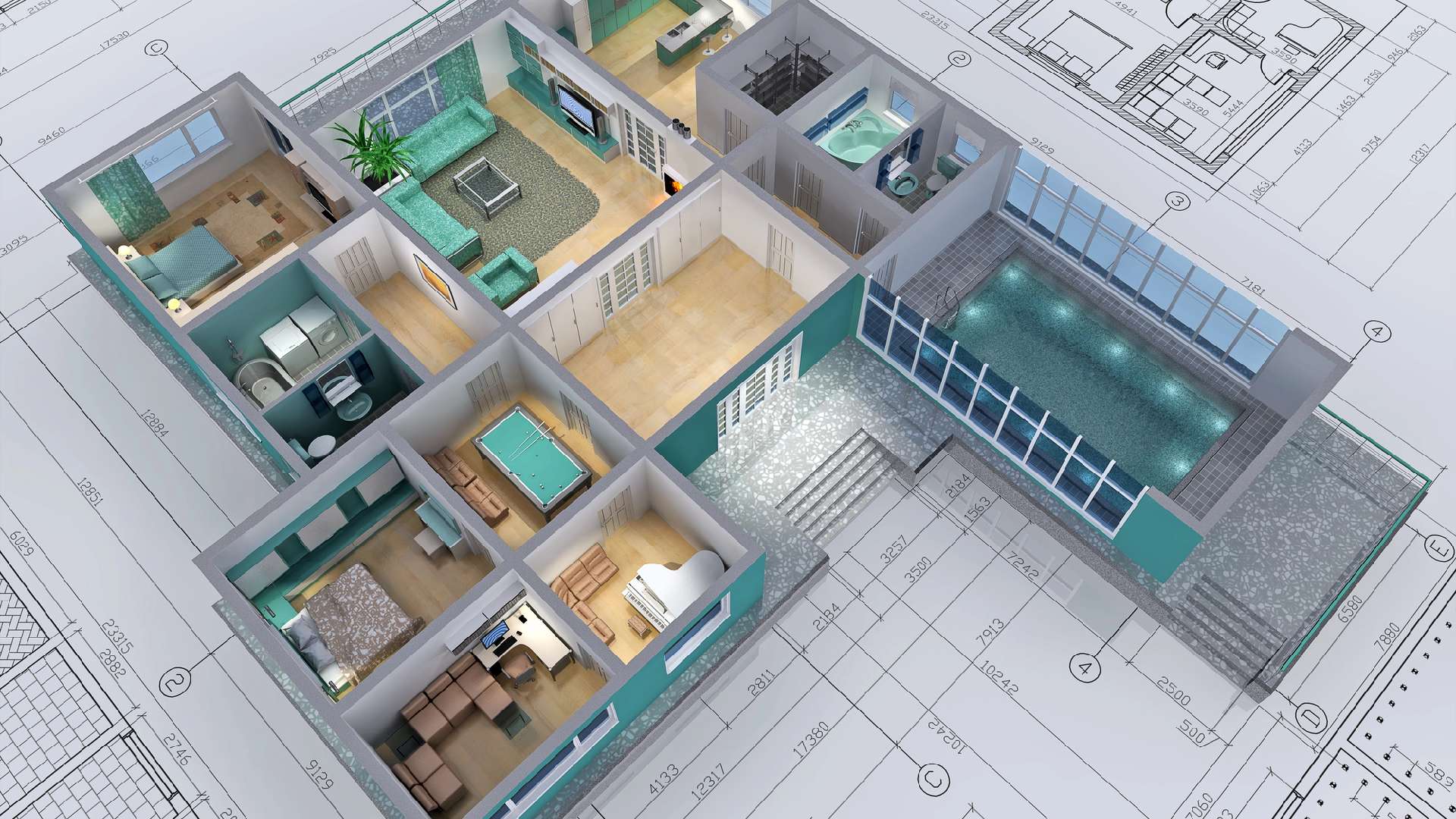
When reviews are strong, you will often see homeowners describing that coordination in plain language. They may mention 3D renderings that helped them make decisions early. They may talk about feeling guided rather than sold to. They may mention that design choices were tied back to budget, rather than treated as separate conversations.
That is different from a review that only says the crew was nice and the room looks good. Pleasant crews matter, of course. But for a substantial remodel, kindness without systems is not enough.
Pay attention to how people describe communication. Good communication in remodeling is not constant chatter. It is clear expectations, timely updates, and honest conversations when timelines or costs need to be revisited. In reviews, phrases like “they kept us informed,” “there were no surprises without explanation,” or “they walked us through every decision” carry real weight.
On the other hand, vague praise can hide weak process. “Everything turned out amazing” is positive, but it does not tell you much. The richer the detail, the more likely the reviewer experienced a structured project.
Read for patterns, not isolated compliments
One glowing review can be luck. Ten reviews that mention the same strengths usually point to a reliable operating style.
If multiple homeowners mention upfront communication, organized design meetings, clean scheduling, and respectful crews, that is meaningful. If several reviews mention delays, unclear pricing, or difficulty getting responses after the contract is signed, take that just as seriously.
Patterns matter even with negative reviews. A single complaint about timing during a period of material shortages may not be a red flag by itself. But repeated mentions of disappearing project managers, unexplained cost growth, or unfinished punch-list items suggest a deeper issue.
The review details that matter most
Budget language is one of the clearest indicators of professionalism. No honest contractor can promise that every older home will reveal zero surprises. What you want to see is whether reviewers felt informed and respected when costs were discussed. Reviews that mention fair pricing, transparent estimates, or thoughtful options are more valuable than reviews that simply say a contractor was cheap.
In the Bay Area, low bids can be especially misleading. A lower number at the start may mean incomplete scope, unrealistic allowances, or permit and engineering items left unaccounted for. Reviews can help expose that. Homeowners often reveal, directly or indirectly, whether the initial proposal reflected the real project.
Scheduling language deserves the same scrutiny. A review that says a project was finished on time is great, but not every legitimate project will hit the original target exactly. Sometimes inspection schedules shift. Sometimes hidden conditions inside walls change the sequence. The better sign is whether the contractor set realistic expectations and managed schedule changes with discipline.
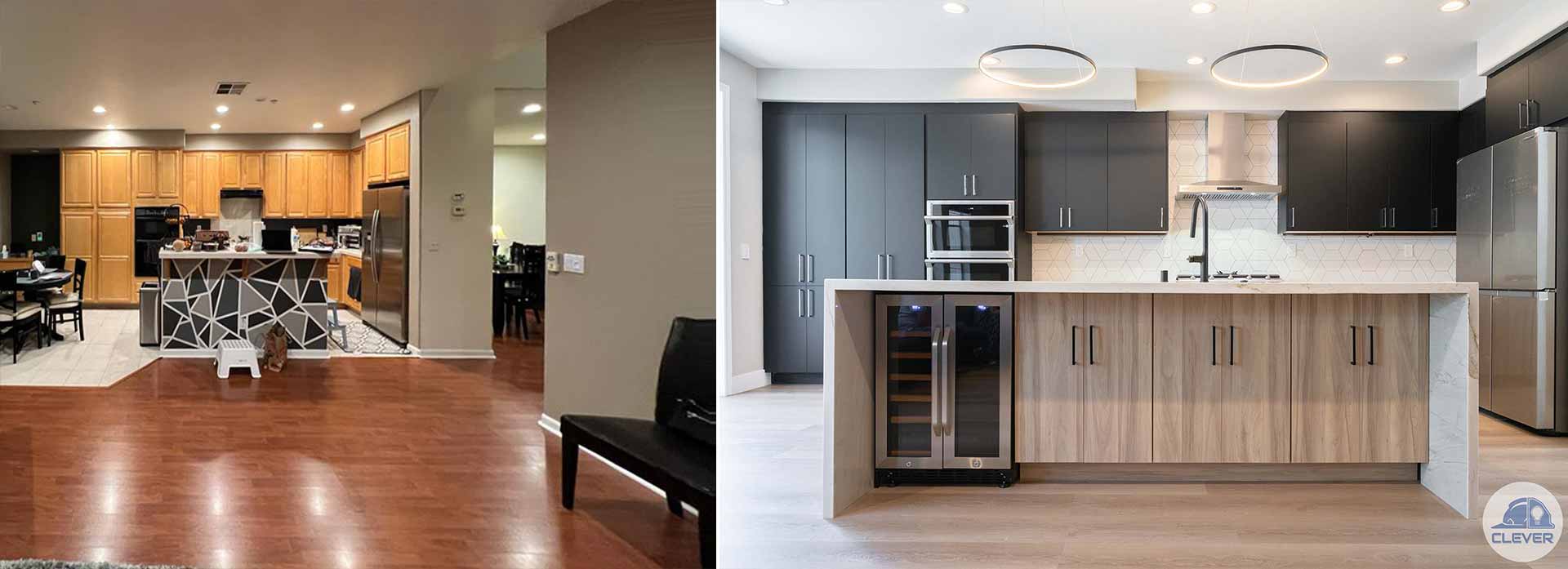
Design quality should also show up in reviews, especially for a design-build firm. Look for evidence that the team improved how the home functions, not just how it photographs. Did the review mention better flow, more storage, improved natural light, a smarter layout, or spaces that now support multigenerational living or work-from-home needs? That is design adding value, not decoration layered onto construction.
Watch for permit and planning clues
Many homeowners do not write detailed permit commentary, but when they do, it is worth reading carefully. Bay Area remodeling often lives or dies on planning quality. Reviews that reference permit handling, engineering coordination, or city submissions suggest the firm is capable beyond surface-level finishes.
This is especially important for additions, ADUs, and whole-home renovations. Those projects have more moving parts and more opportunity for costly delay if the early documentation is weak. A company with a disciplined front-end process tends to produce calmer reviews because fewer issues spill into construction.
What five-star reviews can miss
Even excellent reviews have limits. Some are written right after demo begins or immediately after completion, before the homeowner has lived with the work. Some focus on personalities more than performance. Others come from smaller jobs that may not reflect how the company handles a major renovation.
That does not make them useless. It just means you should read them with context. A contractor who did a successful powder room refresh may or may not be the right fit for a full-home remodel with structural changes and custom design decisions.
It also helps to compare reviews with the company’s visible process. Do they show real project examples, before-and-after work, and a clear path from design to build? Do they communicate as a team that values relationships, integrity, and transparent support? Reviews feel more credible when they align with a consistent operating model.
How to use reviews before your consultation
Reviews should prepare you to ask better questions, not make the decision for you.
If homeowners consistently praise communication, ask how updates are delivered during active construction. If reviews mention thoughtful design, ask how the company balances aesthetics with cost control. If several reviewers reference smooth permitting, ask what happens in pre-construction to reduce revisions and delays.
This is where a true design-build partner separates itself. The best firms do not just answer those questions confidently. They answer them specifically. They can explain how ideas become drawings, how selections are organized, how pricing is developed, and how homeowners stay included in decisions from start to finish.
For Bay Area homeowners making a significant investment, that level of clarity matters more than broad promises. A home is not a generic asset. It is where routines happen, where family life expands or contracts, and where design choices shape daily comfort for years.
A well-run remodel should feel ambitious in vision and disciplined in execution. That is why the strongest reviews tend to describe both the emotional experience and the operational one – excitement, trust, problem-solving, responsiveness, craftsmanship, and follow-through.
For homeowners comparing firms like Clever Design & Remodeling, the goal is not simply to find a contractor people liked. It is to find a partner whose reviews show a repeatable ability to guide complex projects with care, creativity, and accountability.
The best review is rarely the most dramatic one. It is the one that quietly proves the team knew what they were doing before the walls came open – and still knew what to do after they did.