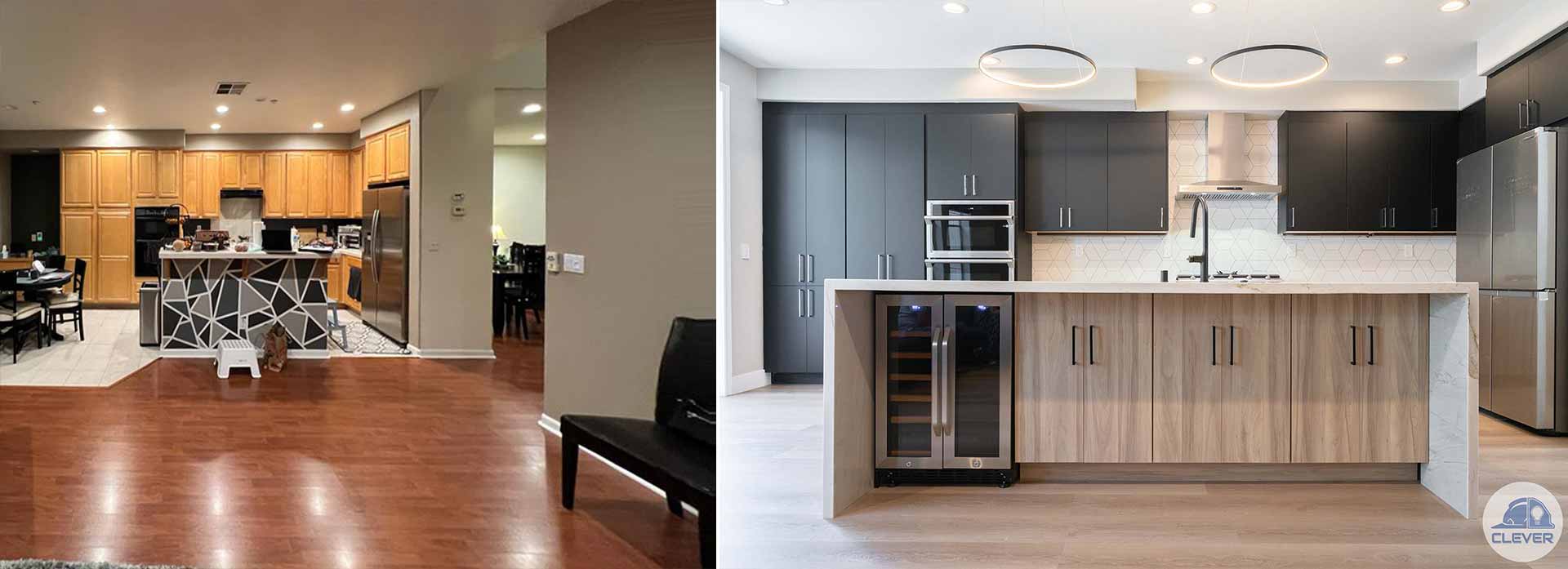

A beautiful kitchen can absolutely raise a home’s appeal, but kitchen remodel return on investment is rarely about chasing the flashiest finishes. It comes down to making smart design decisions that improve how the space works, how it feels, and how buyers will read its value later. The homeowners who get the best results are usually not the ones who spend the most. They are the ones who spend with intention.
In high-value housing markets, kitchens carry real weight. They shape daily routines, influence first impressions, and often become the room buyers remember most. But return is not a fixed percentage you can plug into a calculator. It shifts based on your home’s price point, the age of the house, the quality of the existing kitchen, and whether your remodel solves actual problems or simply adds cost.
What kitchen remodel return on investment really means
Return on investment is the relationship between what you spend and how much value the project adds, whether that value shows up in resale price, buyer demand, or your own years of better living in the home. That distinction matters.
A kitchen remodel can pay back in more than one way. There is the financial side, which includes resale value and marketability. Then there is the lifestyle side, which includes better storage, improved circulation, stronger lighting, and a kitchen that finally fits the way your household cooks and gathers. For many homeowners, the best remodels do both.
This is also where expectations need to stay grounded. A kitchen renovation is not always a dollar-for-dollar return, especially if you choose highly customized finishes or expand the footprint. But a well-planned remodel often protects value, strengthens resale positioning, and helps your home compete better in a market where buyers notice outdated kitchens immediately.
The biggest factors that affect ROI
The first variable is scope. A cosmetic refresh usually delivers a different return than a full gut remodel. If your layout already works, keeping plumbing and major appliances in place can preserve budget and improve the odds of a stronger payoff. If the space is cramped, poorly lit, or functionally broken, a deeper remodel may be worth it because it solves issues buyers and homeowners both care about.
The second variable is neighborhood alignment. One of the most common mistakes is overbuilding for the home or the area. If every nearby home has a tasteful, updated kitchen, an ultra-luxury remodel may not return what it costs. On the other hand, if your kitchen is pulling down an otherwise strong property, a thoughtful renovation can make a meaningful difference.
The third factor is quality of execution. Buyers may not know cabinet construction details or the exact tile brand, but they notice craftsmanship. Poor alignment, awkward transitions, cheap finishes, and inconsistent lighting can make a remodel feel less valuable even when the price tag was high. Design and construction quality need to support each other.
Minor remodel or major renovation?
When homeowners ask about kitchen remodel return on investment, the answer often starts here. A minor remodel tends to focus on surface-level updates such as cabinet refacing or replacement, new countertops, updated fixtures, fresh paint, modern lighting, and perhaps new appliances. This kind of project can perform well because it transforms the look and feel of the space without forcing a full reconstruction.
A major renovation goes further. It may involve changing the layout, relocating plumbing or electrical, opening walls, improving structural flow, or rebuilding from the studs. That can be the right move when the kitchen has serious functional issues, but it also introduces more cost, more complexity, and more decisions that may not fully translate into resale.
Neither path is automatically better. It depends on what the existing kitchen is doing wrong. If your main problem is dated finishes, a lighter-touch remodel may be the disciplined choice. If the kitchen is disconnected from the living space, lacks storage, or cannot support daily use, a larger transformation may create more meaningful value.
Where to spend for better returns
Layout and functionality usually deserve the first investment. A kitchen that feels intuitive, open enough, and easy to work in has lasting value. That does not always mean removing walls. Sometimes it means better appliance placement, a more efficient work triangle, or adding an island only if the room can support proper clearance.
Cabinetry is another major value driver because it affects both appearance and daily performance. Well-designed cabinets with smart storage often matter more than trend-heavy statement pieces. Deep drawers, pantry organization, and thoughtful inserts improve the lived experience in ways buyers can immediately appreciate.
Countertops and backsplashes should support the overall design, not overpower it. Durable, timeless materials generally age better than highly specific looks. The same is true for flooring. Kitchens see heavy use, and finishes that balance elegance with resilience tend to protect your investment better over time.
Lighting is often underestimated. A kitchen with layered lighting feels more refined and more expensive, even if the budget is controlled. Good ambient light, task lighting under cabinets, and decorative fixtures over an island or dining area can shift the entire atmosphere of the room.
Where overspending can hurt ROI
Very high-end appliances can be worth it if you truly use them and they fit the value range of the home. But they do not automatically raise resale in proportion to cost. The same goes for highly customized cabinetry details, rare stone selections, or bold design choices with limited buyer appeal.
That does not mean a kitchen should be generic. Design-forward spaces can still perform well when they are grounded in proportion, material harmony, and practical use. The key is making choices that feel elevated without becoming so personal or expensive that they narrow the audience for the home later.
Expanding the footprint can also reduce short-term return if the gains are mostly aesthetic rather than functional. In some cases, taking square footage from another room or building out can be justified. In others, better interior planning achieves the same result for less.
Bay Area homes need a different lens
In older homes across Santa Clara, San Mateo, and Alameda counties, kitchens often come with real constraints: chopped-up layouts, limited storage, outdated wiring, or awkward transitions to dining and living spaces. In these homes, ROI is not just about replacing finishes. It is often about correcting the parts of the house that no longer support modern living.
That is why pre-construction planning matters. A design-build approach with clear drawings, engineering coordination, and permit readiness can protect the budget from costly surprises. It also helps homeowners make sharper decisions about what is worth upgrading now and what can stay. Clever Design & Remodeling often sees the best results when design ambition is paired with disciplined planning from the start.
How to think about resale without remodeling for strangers
The best kitchens are not designed only for a future buyer. They are designed for the people living there now, with enough restraint and timelessness to hold value later. That balance matters.
If you plan to sell in the next one to three years, keep your choices broad in appeal. Prioritize clean lines, durable finishes, quality lighting, and a layout that feels generous and efficient. If you plan to stay longer, it makes sense to invest more deeply in the way your household actually uses the space, because years of enjoyment are part of the return.
This is where transparent support from your remodeling partner makes a real difference. A good team should help you separate emotional wants from strategic investments without flattening the design. You want a kitchen that feels personal, not a showroom that ignored the rest of the house.
A better question than “Will I get my money back?”
The more useful question is whether the remodel will make your home stronger. Will it improve function, elevate daily experience, and position the property better than it is today? Will the finishes hold up? Will the design still feel current in five or ten years? Will the construction quality support long-term value instead of creating future repair work?
That is the real heart of kitchen remodel return on investment. Not chasing a perfect percentage, but making design and construction decisions that respect both your life now and your home’s value later.
If you are planning a kitchen remodel, aim for clarity before you aim for wow factor. The kitchens that age best and sell best are usually the ones built with integrity, careful planning, and a clear understanding of where beauty and practicality meet.