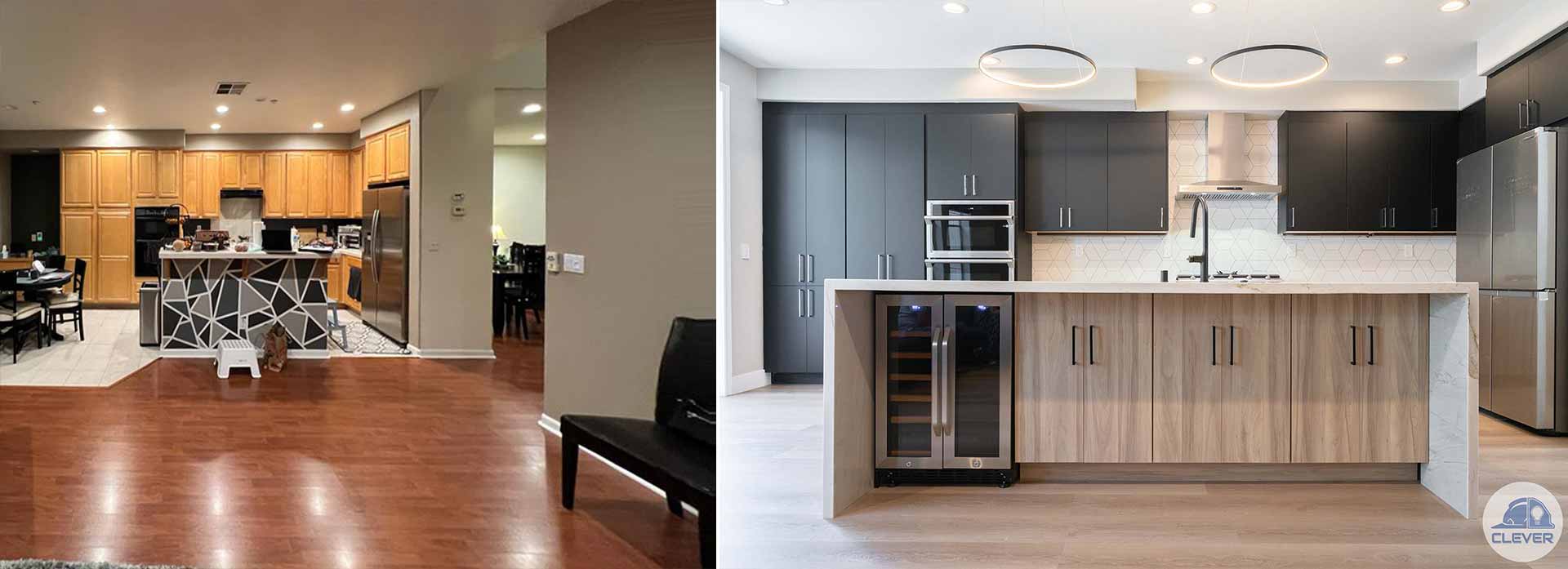

A beautiful kitchen rarely goes over budget because of one dramatic mistake. More often, the budget gets stretched by a dozen smaller decisions – moving one wall, upgrading one appliance package, adding one more layer of lighting, choosing a finish that looks minor on paper but changes labor and lead times.
That is why a real kitchen remodel budget planning checklist has to do more than assign rough numbers. It needs to help you make decisions in the right order, with enough structure to protect both the design and the investment. For Bay Area homeowners, that matters even more. Older homes, tight footprints, permit requirements, and high labor costs can turn a loosely planned renovation into an expensive lesson.
Start your kitchen remodel budget planning checklist with priorities
Before you price cabinets or compare countertops, get clear on what this remodel needs to accomplish. Some kitchens are failing functionally – poor storage, awkward traffic flow, limited prep space, outdated electrical, or not enough seating for family life. Others work well enough but feel visually disconnected from the rest of the home.
Those are not the same project, and they should not have the same budget strategy.
If your main goal is better flow and daily usability, more of your budget may need to go toward layout changes, custom storage, and construction work behind the walls. If your goal is visual transformation with less structural disruption, you may put more toward finishes, lighting, and cabinetry details while keeping plumbing and appliance locations in place.
This first step sounds simple, but it protects the entire process. Homeowners who try to solve every problem at once usually end up making reactive cuts later, often in the areas that matter most.
Separate needs, wants, and value drivers
A disciplined budget does not mean building the cheapest kitchen. It means knowing where to invest and where to stay practical.
Needs are the non-negotiables – code updates, failing plumbing, inadequate lighting, poor ventilation, worn-out cabinets, or a layout that simply does not support how you live. Wants are the upgrades that would elevate the experience but are not essential, such as a second sink, panel-ready appliances, or a waterfall island. Value drivers are the choices most likely to improve both livability and resale appeal, like durable countertops, quality cabinetry, and a cohesive layout.
There is overlap, of course. A larger island may be a want in one home and a functional need in another. That is where design-build planning becomes so valuable. You need a budget framework that reflects your house, not a generic remodeling formula.
Price the project by category, not by guesswork
A reliable kitchen budget is built in layers. Instead of asking, “What does a kitchen remodel cost?” ask how much each category is likely to require. That gives you control and makes trade-offs easier when you need them.
Most kitchen budgets should account for design and planning, permits and engineering if needed, demolition, framing, plumbing, electrical, HVAC adjustments, cabinetry, countertops, appliances, flooring, backsplash, lighting, painting, finish hardware, and labor coordination. Then there are the less visible costs – temporary kitchen setup, delivery fees, material waste, and disposal.
This is where many homeowners underestimate the project. They remember the showroom items and forget the construction systems that make the room work properly.
In older Bay Area homes, electrical upgrades and wall repairs can meaningfully change the budget. So can bringing existing conditions up to code once the walls are open. A budget that ignores those realities is not conservative – it is incomplete.
Use allowances carefully
Allowances can help move planning forward before every finish is selected, but they only work when they are realistic. If the cabinet allowance reflects stock pricing and your expectations align with semi-custom or custom work, you are setting yourself up for frustration.
The same goes for appliances, tile, and stone. A backsplash budget based on a basic ceramic tile will not hold if you fall in love with a handcrafted zellige look or a full-height slab install. Neither option is wrong. The issue is mismatch.
Transparent support from your contractor or design-build partner matters here. A good planning process should tell you not just what something costs, but why it costs more, where it adds value, and whether there is a smart alternative that protects the design intent.
Decide early whether the layout will change
Nothing shifts a kitchen budget faster than moving key infrastructure. Relocating a sink, range, or major appliance wall can improve the room dramatically, but it often affects plumbing, electrical, venting, framing, and sometimes permitting complexity.
That does not mean you should avoid layout changes. Sometimes the right move is absolutely worth it, especially in kitchens with inefficient circulation or cramped work zones. But this is an area where homeowners need clarity early.
If the layout stays mostly intact, more of your budget can go toward visible finishes and storage performance. If the layout changes significantly, more of the budget needs to protect the bones of the renovation first. Elegant results still come from that path, but the spending pattern is different.
Build in a contingency from the beginning
A kitchen remodel budget planning checklist is incomplete without a contingency line. For a cosmetic refresh, the contingency may be smaller. For a full renovation in an older home, it should be more substantial.
Why? Because opening walls reveals the truth. You may find old wiring, hidden water damage, uneven framing, or previous work that does not meet current standards. None of that is unusual. What matters is whether your budget is prepared for it.
A contingency is not a sign that your project is out of control. It is a sign that you are planning like an informed homeowner. It protects decision-making and helps avoid rushed compromises halfway through construction.
Balance splurge items with everyday durability
The best kitchen budgets reflect real life. That means choosing a few standout features intentionally instead of upgrading everything at once.
You might prioritize custom cabinetry because storage is a daily pain point, then choose a more restrained backsplash. Or you may invest in professional-grade appliances while selecting a simpler edge detail for the countertops. In another home, the right splurge is layered lighting that changes how the entire kitchen feels.
What matters is alignment. Spend where performance, visual impact, and long-term satisfaction meet. Save where the upgrade is mostly invisible, hard to maintain, or unlikely to change how you use the space.
This is one reason design-forward planning outperforms impulse selection. The goal is not a kitchen filled with expensive products. The goal is a kitchen that feels resolved.
Don’t forget the soft costs and life-disruption costs
Homeowners tend to focus on construction numbers and overlook the practical cost of living through the renovation. If your kitchen will be offline for several weeks or longer, you may need a temporary prep area, extra dining expenses, or adjustments for family routines and work-from-home schedules.
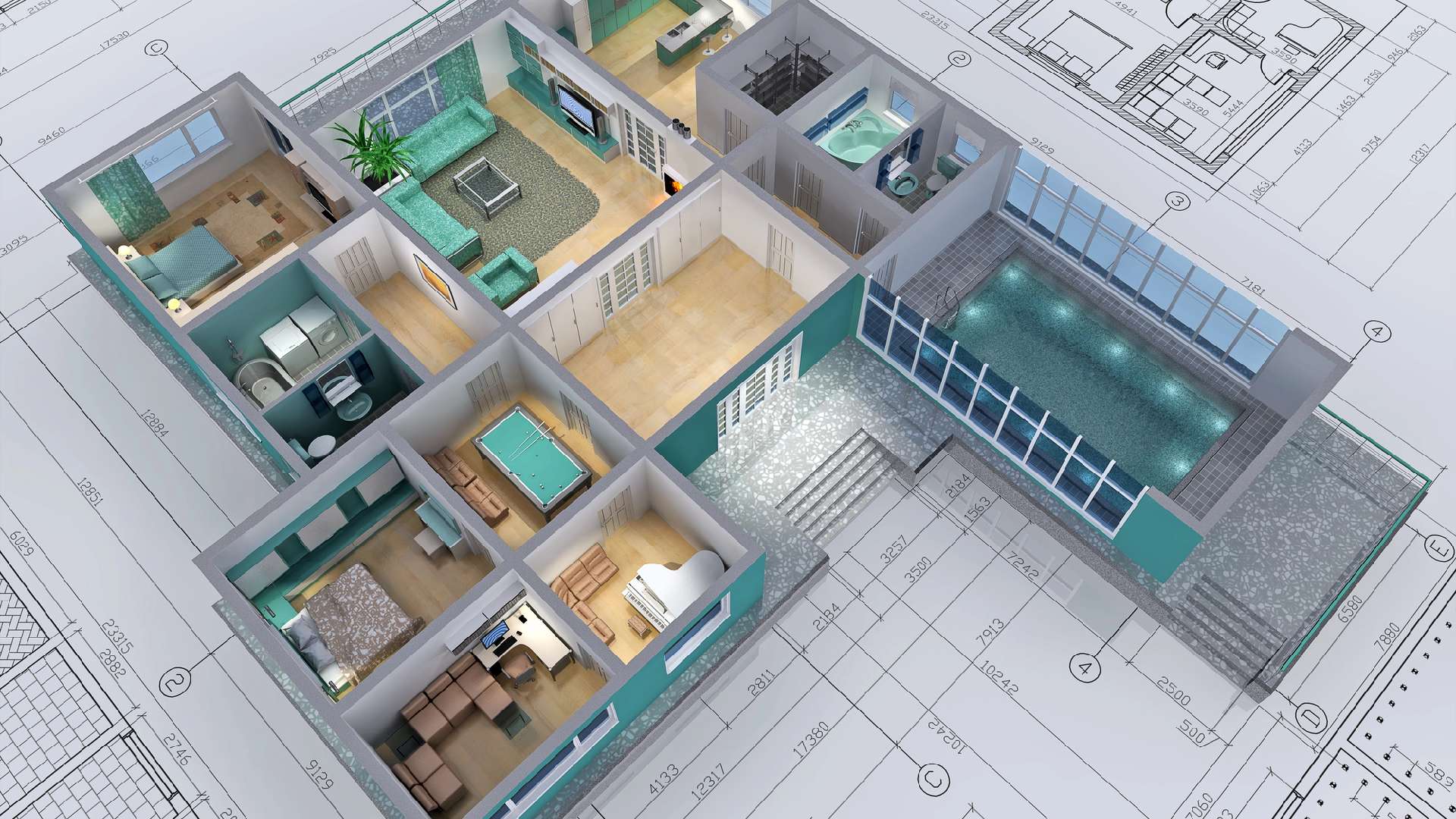
There can also be design-phase costs before construction begins, especially if you are investing in measured plans, 3D renderings, engineering coordination, or permit-ready documentation. Those costs are not extras to resent. They are often the reason the construction phase runs with more clarity and fewer surprises.
For more complex remodels, thoughtful pre-construction planning is often the best budget protection you can buy.
A practical kitchen remodel budget planning checklist
When homeowners want a clean way to pressure-test their numbers, this is the checklist we recommend:
- Define your top three project goals before selecting materials.
- Decide whether the layout will stay or change.
- Break the budget into categories, including labor and permit-related costs.
- Set realistic allowances for cabinetry, appliances, tile, and stone.
- Include a contingency fund from day one.
- Identify one to three areas worth splurging on.
- Reserve funds for temporary living adjustments during construction.
- Confirm what is included in the contractor’s scope and what is not.
- Review lead times so your selections support the project schedule.
- Make final design decisions early enough to avoid change orders.
Simple as it looks, this checklist catches many of the problems that derail kitchen budgets.
Choose a planning partner, not just a builder
Budget discipline is not created by low estimates. It comes from a process that connects design decisions, construction realities, and homeowner priorities from the start.
That is why many Bay Area homeowners prefer a design-build approach. When design, pricing, engineering coordination, and construction planning are aligned, it becomes easier to see the true cost of choices before they become expensive changes in the field. It also creates a more collaborative experience, where you are part of the decision-making instead of reacting to surprises.
At Clever Design & Remodeling, that kind of upfront communication is central to the work. A kitchen is not just another room to renovate. It is one of the most used and most visible spaces in the home, and the planning deserves the same level of care as the finished craftsmanship.
A good budget should do more than limit spending. It should give you the confidence to invest where it counts, say no where it does not, and move forward with a kitchen that feels intentional from the first sketch to the final install.