
Sticker shock usually shows up before the first wall goes up. A homeowner sketches out a new primary suite, family room, or second-story addition, sees an online cost estimate, and assumes that number covers the full picture. It rarely does. If you’re trying to understand how to budget a home addition, the real work starts well before construction – with scope, design decisions, permitting, and a clear plan for where flexibility exists.
A home addition is not just extra square footage. It is structural work, systems integration, finish selection, and careful coordination with the home you already live in. In the Bay Area, where aging housing stock, tight lots, and local permitting can shape the process, budgeting well means balancing ambition with discipline. The goal is not to chase the cheapest number. The goal is to build a realistic investment range that supports both your lifestyle and your property value.
How to budget a home addition from the start
The most common budgeting mistake is starting with price before defining purpose. A budget works best when it follows a clear problem to solve. Are you adding space for a growing family, creating a private suite for multigenerational living, carving out a dedicated home office, or expanding for better flow and resale appeal? Those are very different projects, even if the square footage looks similar on paper.
Once the purpose is clear, the next step is identifying what kind of addition you are actually considering. A bump-out that expands a kitchen has a different cost profile than a detached structure or a second-story addition. Ground-level additions may require excavation and foundation work. Upper-level additions can trigger significant structural reinforcement. Add a bathroom, and plumbing costs rise. Add a kitchen, and electrical, ventilation, and appliance infrastructure move the budget again.
That is why early cost conversations should focus on project type, not just cost per square foot. Square-foot pricing can be a useful shorthand, but on its own it hides too much. Two additions with the same size can vary dramatically based on structural complexity, site access, ceiling height, window packages, and finish level.
Build your budget in layers, not one number
Homeowners often ask for a single all-in figure. A better approach is to organize the budget into layers so you can see what is fixed, what is variable, and where thoughtful trade-offs can happen without compromising the project.
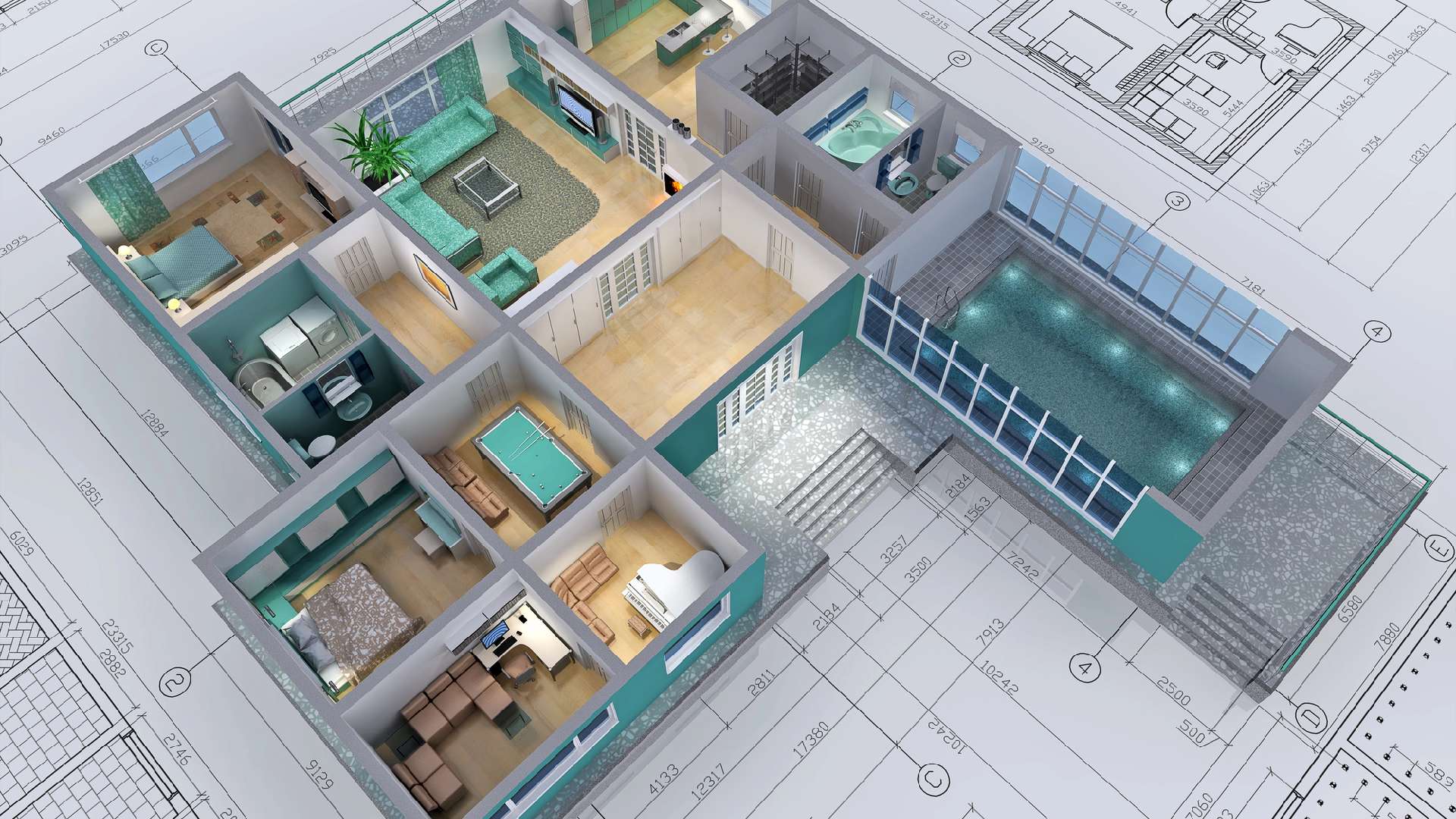
The first layer is pre-construction. This includes measured planning, design development, 3D visualization if used, engineering, and permit preparation. It can feel tempting to minimize this phase, but strong pre-construction work is where budget control actually begins. When the design is resolved before demolition starts, there are fewer surprises, cleaner pricing, and more confidence in the build plan.
The second layer is core construction. This is the structural and systems work that makes the addition possible: foundation, framing, roofing, insulation, windows, electrical, plumbing, HVAC, and drywall. These are not the glamorous decisions, but they form the backbone of the investment. If your existing house needs service upgrades or code-related improvements to support the addition, those should be addressed here rather than treated as afterthoughts.
The third layer is finishes and fixtures. Flooring, tile, cabinetry, lighting, plumbing fixtures, doors, trim, and paint can swing the total more than many homeowners expect. The good news is that this is often where design-led choices can protect both budget and visual impact. You do not need the most expensive finish in every category to create an elegant result. You need a consistent design strategy and honest guidance about where premium materials matter most.
The fourth layer is contingency. This is not padding. It is responsible planning. A well-built contingency accounts for hidden conditions, minor scope refinements, and real-world construction variables. In older homes especially, opening walls can reveal framing issues, outdated wiring, or moisture damage that no one could fully price on day one.
What drives addition costs higher
If you want to know how to budget a home addition with fewer surprises, pay attention to the factors that quietly push costs up.
Structural complexity is one of the biggest. Large spans, vaulted ceilings, major roof reconfiguration, and second-story work generally require more engineering and more labor. So does tying a new addition into an older home that may not be perfectly level, square, or built to current standards.
Wet rooms are another major cost driver. Bathrooms and kitchens bring more plumbing, waterproofing, ventilation, and finish detail. Mechanical systems matter too. If your HVAC system cannot efficiently serve the new space, expansion or replacement may be needed.
Site conditions also matter more than people expect. Limited access, tight side yards, sloped lots, difficult excavation, and neighborhood constraints can all affect labor and logistics. In many Bay Area neighborhoods, even material staging and crew access require extra planning.
Then there is the permit and code environment. Depending on the scope, your project may trigger energy compliance requirements, structural upgrades, or planning review considerations. This is one reason design-build firms often bring strong value to additions. When design, engineering coordination, permit readiness, and construction planning are aligned early, the budget has a better chance of staying grounded in reality.
Set a realistic target budget range
A target budget should be a range, not a single number written in permanent ink. Early in planning, a range gives you room to compare options without forcing premature decisions. It also creates space for honest conversations about value.
For example, if your comfortable investment range supports a modest family room addition but not a luxury suite with a full bath and custom built-ins, that is not a failure of planning. It is a useful design checkpoint. The right response is not to squeeze the bigger idea into the smaller budget through unrealistic assumptions. The right response is to refine the scope, phase the project, or decide where the additional investment would genuinely improve the outcome.
Many homeowners benefit from creating three budget thresholds: the ideal target, the upper comfort limit, and the number that should not be crossed without a major scope review. This keeps decision-making grounded as design evolves.
Where to save and where not to
Not every dollar has the same impact. Some choices reduce cost without undermining quality, while others create expensive problems later.
It is often possible to save by simplifying the footprint, keeping plumbing locations efficient, selecting standard-size windows and doors where appropriate, and choosing a restrained but cohesive finish palette. Clean, thoughtful design typically ages better than overcomplicated design anyway.
It is far riskier to save on planning, structural work, waterproofing, insulation, or installation quality. Those categories protect comfort, performance, and the long-term integrity of the home. If the project includes a bathroom, shower waterproofing is not where you want budget shortcuts. If the addition requires structural ties to the existing house, engineering and framing precision matter more than decorative upgrades.
There is also a practical design truth here: people experience space first through light, proportion, and flow. A beautifully resolved layout with strong natural light can feel far more elevated than a poorly planned addition filled with expensive materials.
Budget for the full homeowner experience
A home addition affects more than the construction contract. Depending on the scale, you may need temporary storage, partial relocation during key phases, furniture purchases for the new space, or landscape repair after construction wraps. If you are financing the project, interest costs and lender requirements should be part of the planning conversation from the beginning.
You should also think about timeline as part of budget discipline. Delays can have financial consequences, especially when decisions are made late or materials are selected after construction starts. A structured process with upfront communication, documented selections, and permit-ready planning tends to reduce those avoidable costs.
That is one reason many homeowners prefer a collaborative design-build approach. When one accountable team helps shape the design and then executes the construction, there is often better continuity between the vision, the pricing, and the finished work. For a substantial investment, that transparency matters.
How to budget a home addition without losing the design vision
A smart budget does not flatten creativity. It gives it direction. The strongest addition projects usually begin with a clear vision, then translate that vision into priorities. Maybe your priority is an airy great room that connects to the backyard. Maybe it is a private suite that feels calm, sophisticated, and independent. Maybe it is simply making the home function beautifully for the next ten years.
Once those priorities are defined, every budget decision becomes easier. You can spend with intention, trim without regret, and protect the elements that truly change how the home lives. At Clever Design & Remodeling, that is where disciplined planning and thoughtful design do their best work together.
If you are preparing for an addition, give yourself permission to plan before you price. The clearest budgets are built from honest scope, informed design, and a partner who will tell you not just what is possible, but what is worth it.