
When one home needs to support grandparents, adult children, teenagers, and maybe a work-from-home schedule too, square footage is only part of the equation. Figuring out how to remodel for multigenerational living starts with a more strategic question: how should the home function day to day so everyone feels supported, respected, and comfortable under one roof?
That is where thoughtful remodeling matters. A successful multigenerational home is not simply bigger. It is better organized, more private, easier to navigate, and designed around real routines. In the Bay Area, where lot constraints, older housing stock, and property values all shape the decision, the right remodel can solve immediate family needs while also protecting long-term resale value.
How to remodel for multigenerational living starts with layout
Most families begin by asking for another bedroom or bathroom. Sometimes that is the right move, but layout usually has a bigger impact than room count alone. The goal is to create zones that let people live together without feeling like they are constantly on top of each other.
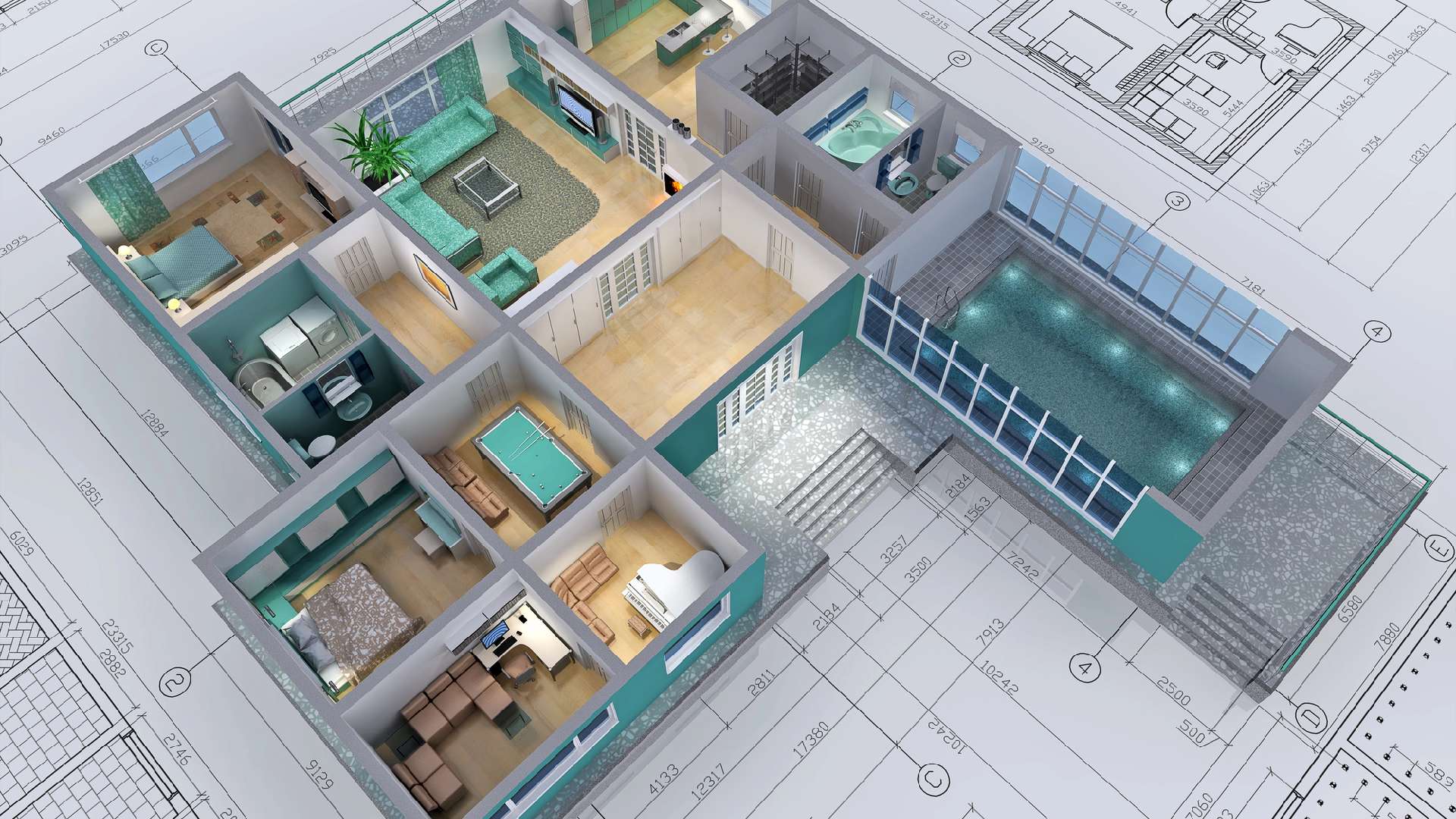
That often means separating private spaces from shared spaces. A bedroom near the main living area may work for a young child, but it may not work well for an older parent who wants quiet, or for an adult child keeping a different schedule. In many homes, the smarter solution is reworking circulation, relocating a bathroom, or carving out a suite-like area with its own entrance, sitting space, or kitchenette.
Open-concept living can still work in a multigenerational home, but it needs balance. Too much openness increases noise and reduces privacy. A more refined plan might keep the kitchen and family room connected while adding pocket doors, a secondary lounge, or flexible partitions that create retreat space when needed.
Privacy is not a luxury
Families usually know they need more privacy, but they tend to underestimate how many design choices affect it. Sound transfer is one of the biggest issues. If a grandparent’s room shares a wall with a media room, or if an upstairs bath sits over a bedroom used by a light sleeper, frustration builds fast.
Good remodeling addresses privacy structurally, not just decoratively. Insulation in interior walls, solid-core doors, better window placement, and strategic room adjacencies can all make a meaningful difference. If the budget allows, a dedicated in-law suite, garage conversion, room addition, or ADU often provides the cleanest long-term answer.
There is a trade-off, of course. The more independent each area becomes, the more expensive the project can be. Separate plumbing, HVAC considerations, electrical upgrades, and permit requirements all influence scope. That is why early planning matters so much. It is far better to understand those costs before construction than to discover them after demolition begins.
Bathrooms and kitchens carry the most pressure
In almost every multigenerational remodel, bathrooms and kitchens need the most attention. These are the spaces where schedules collide and where a lack of function becomes obvious every day.
A bathroom intended for multigenerational use should work for people with different mobility levels and routines. That may mean a curbless shower, wider clearances, a bench, blocking for future grab bars, or better lighting at the vanity. Even if a family does not need full accessibility today, planning for aging in place is a smart investment. It protects flexibility without forcing a clinical look.
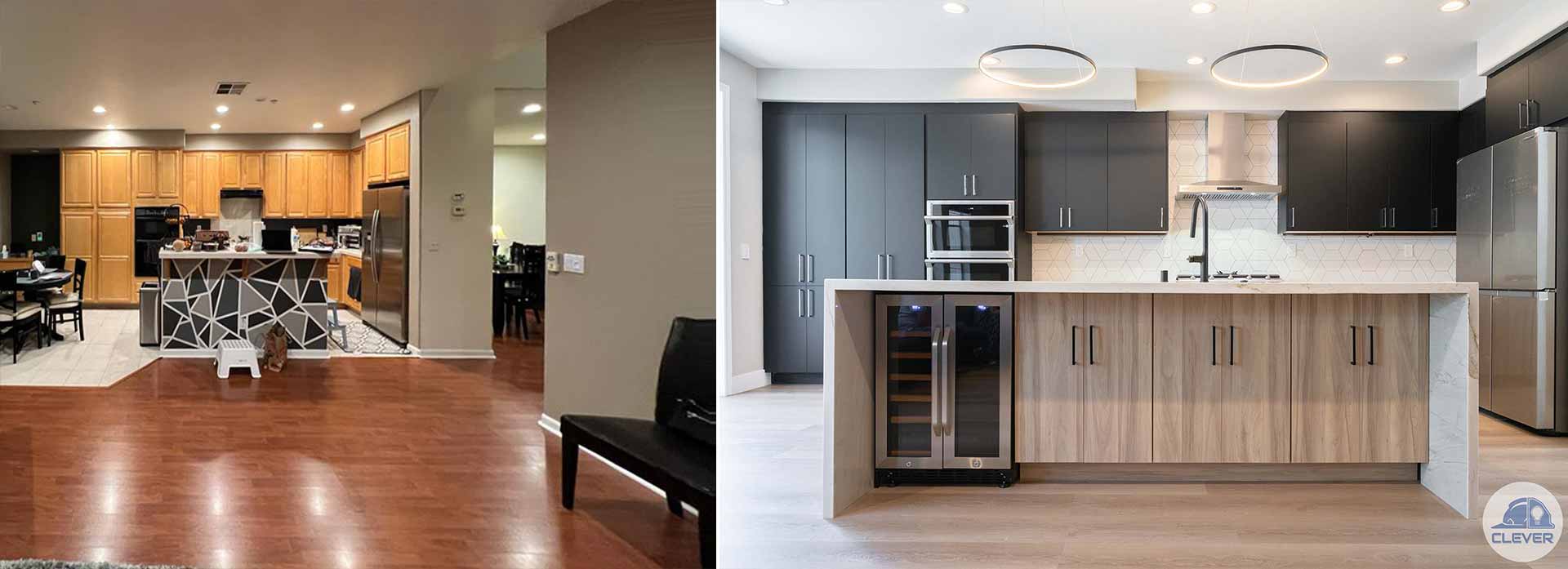
Kitchens need a similar level of foresight. A household with multiple adults cooking at different times benefits from wider aisles, layered storage, more refrigeration, or a secondary prep area. In some cases, two sinks or a separate beverage station can reduce traffic better than a larger island. If cultural cooking habits are part of the household routine, ventilation and durable finishes become even more important.
The key is not making every space larger for the sake of it. It is making them work harder and more elegantly.
Accessibility should be integrated, not added on
One of the best answers to how to remodel for multigenerational living is to build flexibility into the home before it becomes urgent. Many homeowners wait until a parent has a medical event or mobility change before they address accessibility. By then, choices are narrower and timelines are more stressful.
Integrated accessibility looks better and performs better. Wider hallways, no-step entries, lever hardware, improved lighting, and first-floor living options can be folded into a design-forward remodel without making the home feel institutional. In fact, many of these choices improve comfort for everyone, including young children, guests, and homeowners thinking ahead to their own future.
It also helps to distinguish between universal design and specialized medical adaptation. Not every home needs hospital-grade solutions. Most benefit more from a well-planned environment that is intuitive, safe, and easy to move through.
Additions, conversions, and ADUs each solve different problems
When families outgrow the existing footprint, the right expansion depends on the property and the kind of independence the household needs.
A room addition can be ideal when the main home already has a strong layout and simply needs another bedroom, bath, or suite. A garage conversion can create valuable living space on a lot where expansion options are limited, though parking and code requirements need close review. An ADU offers the highest level of separation and can be especially attractive for long-term family flexibility, guest use, or future rental value.
There is no universal best option. In the Bay Area, zoning, setbacks, lot coverage, utility capacity, and permit pathways all shape what is realistic. A design-build approach is especially valuable here because design intent, engineering, feasibility, and budget can be evaluated together instead of in silos.
Storage and daily function matter more than homeowners expect
Multigenerational living puts constant pressure on the hidden parts of a home. Laundry gets heavier use. Entryways collect more shoes, bags, and deliveries. Linen storage disappears faster. Shared closets become conflict points.
These are not minor issues. They shape whether the home feels calm or crowded. Built-in storage, mudroom planning, expanded laundry zones, and smarter closet systems can dramatically improve day-to-day life without changing the overall square footage much at all.
This is also where design discipline protects the investment. It is easy to spend heavily on visible finishes and leave function underdeveloped. The stronger approach is to align aesthetics with use so the home feels elevated and performs beautifully at the same time.
Plan for family dynamics, not just floor plans
The most successful multigenerational remodels begin with honest conversations. Who needs privacy? Who needs proximity? Is this arrangement likely to last two years or twenty? Will caregiving become more intensive over time? Does anyone need a separate entrance, workspace, or kitchen access?
These questions influence design as much as dimensions do. A home that supports aging parents may need short, direct paths between bedroom, bath, and living space. A home for returning adult children may need better acoustic separation and more autonomous storage. A household with small children and grandparents may benefit from visual connection in shared spaces but more controlled boundaries around rest areas.
This is why a collaborative planning process matters. The design should not impose a lifestyle. It should reflect the real one.
A disciplined process protects both budget and outcome
Multigenerational remodeling can become expensive if the scope grows before the plan is fully resolved. Changes to plumbing, structure, electrical systems, and egress can stack up quickly, especially in older Bay Area homes. That is why pre-construction work deserves real attention.
Detailed design, 3D visualization, engineering coordination, and permit readiness create clarity before build-out begins. They help homeowners make informed decisions, compare trade-offs, and avoid costly mid-project shifts. They also make it easier to prioritize where the budget should go first if not every wish list item fits the initial scope.
For many families, the best result comes from partnering with a firm that can manage design and construction under one accountable process. Clever Design & Remodeling approaches projects that way because strong remodeling is not just about building more space. It is about shaping a home with integrity, transparent support, and a layout that truly serves the people living in it.
A multigenerational home should feel generous, not compromised. When the design is thoughtful and the construction process is disciplined, the result is more than added function. It is a home that gives each generation room to belong.