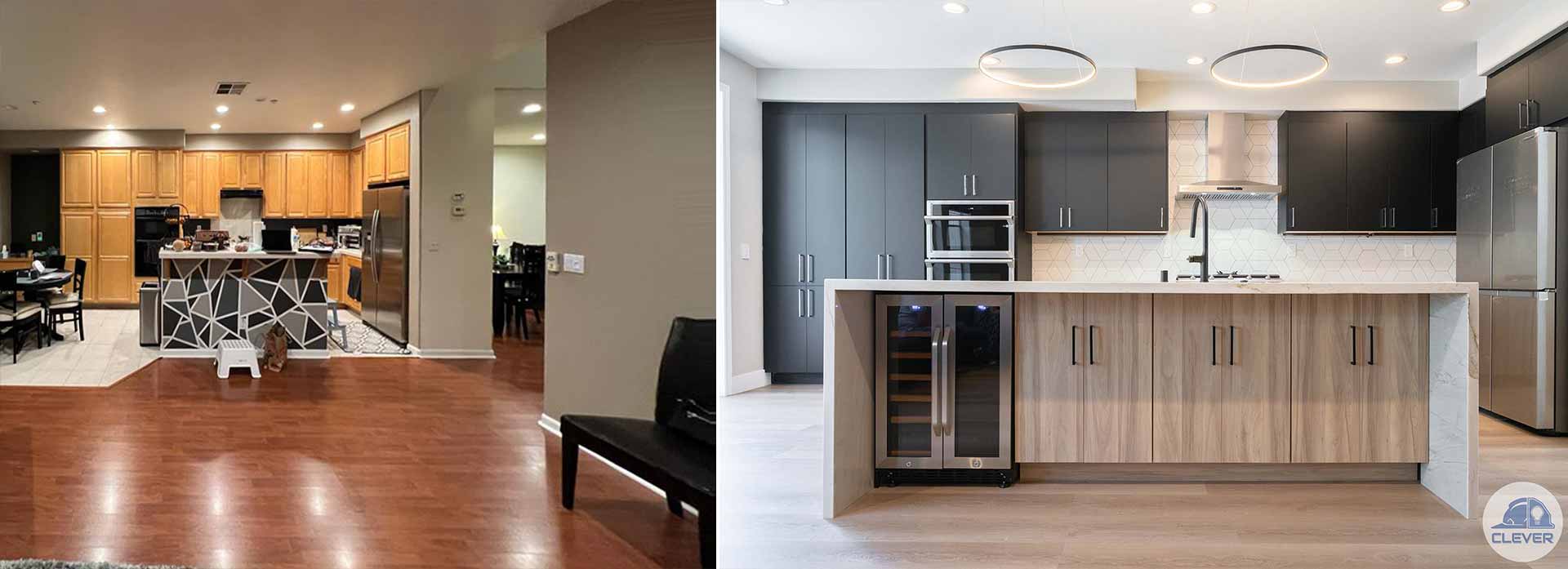

A kitchen that finally works for family life, an ADU for aging parents, or a whole-home redesign can change the way you experience your home every day. But before selecting tile, reviewing 3D renderings, or preparing permit drawings, home renovation financing deserves the same thoughtful planning as the design itself. The right funding strategy protects your budget, keeps decisions grounded, and gives your project room to be built with care rather than compromise.
For Bay Area homeowners, the stakes can be especially high. Older homes often reveal conditions behind walls, permit requirements can shape timelines, and the scope of a design-forward renovation can evolve as plans become more detailed. Financing is not simply about securing the largest possible loan. It is about choosing a structure that aligns with your equity, income, project schedule, risk tolerance, and long-term goals for the property.
Start With the True Scope of the Project
A financing conversation is most productive after you have defined what you are trying to accomplish. There is a meaningful difference between refreshing a bathroom with a focused finish upgrade and reconfiguring a home with structural work, engineering, new mechanical systems, and permit coordination. The financing approach that feels reasonable for one may not serve the other.
A complete project budget should account for design, architecture or engineering when needed, permits, construction labor, materials, fixtures, appliances, and a contingency reserve. In established Bay Area neighborhoods, a contingency is particularly valuable. Once demolition begins, an older electrical panel, aging plumbing, dry rot, or an unanticipated structural condition may need attention before the visible transformation can continue.
A disciplined design-build process helps bring these costs into focus before construction starts. Detailed plans, finish selections, and engineering coordination reduce guesswork. They also help homeowners approach lenders with a more credible project picture than a rough online cost estimate can provide.
Home Renovation Financing Options to Consider
There is no universally best way to finance a remodel. Each option carries trade-offs related to interest rates, fees, repayment terms, approval requirements, and how quickly funds become available. A lender or financial advisor can help you evaluate the details of your individual situation, but these are the common paths homeowners consider.
Cash and phased funding
Paying from savings avoids interest charges, lender fees, and a monthly loan payment. For a smaller project or a household with substantial liquid reserves, it can be the cleanest route. It also gives you flexibility if the project timeline changes.
The trade-off is liquidity. Using every available dollar for construction can leave little room for an emergency, investment opportunity, or the inevitable surprises of homeownership. Cash funding works best when the renovation budget includes a healthy reserve beyond the project itself.
Home equity line of credit
A home equity line of credit, commonly called a HELOC, lets eligible homeowners borrow against available equity up to an approved limit. During the draw period, you can generally access funds as needed, which may suit a remodel with staged payments across design, permits, procurement, and construction.
Many HELOCs have variable interest rates, so payments can change over time. They may also involve an application process, appraisal, closing costs, and lender-specific rules for draws. This option can be useful for homeowners who want flexibility, but it requires comfort with rate variability and disciplined borrowing.
Home equity loan
A home equity loan usually provides a lump sum with a fixed interest rate and predictable monthly payments. If your project scope is well defined and your contract amount is established, that consistency can make household budgeting easier.
Unlike a HELOC, it is less flexible if the scope changes after closing or if you borrow more than the project ultimately requires. Homeowners should also remember that these loans are secured by the home. Predictability is valuable, but so is borrowing conservatively.
Cash-out refinance
A cash-out refinance replaces your existing mortgage with a larger new loan, allowing you to receive the difference in cash. It can make sense when current refinancing terms are favorable enough to justify replacing the original mortgage and when you need substantial funds for a major renovation, addition, or ADU.
The decision deserves careful review. If your current mortgage rate is considerably lower than available rates, refinancing the entire balance may be more expensive than using a separate equity product. Closing costs and the new loan term matter as much as the amount of cash received.
Personal loans and specialized renovation loans
Unsecured personal loans can fund smaller renovations without placing a lien on the home. Approval may be faster than an equity-based loan, but interest rates can be higher and repayment terms shorter. They are often better suited to contained upgrades than to a comprehensive home renovation.
Some lenders also offer renovation or construction-oriented loan products that release funds in stages. These can be relevant for large additions, extensive structural work, or projects that materially change the home’s value. Their requirements can be more involved, often including plans, contractor documentation, inspections, and appraisal assumptions. For the right project, that structure can match the construction process well.
Match the Funding Structure to the Construction Schedule
Homeowners sometimes focus only on the final project number. The timing of payments matters just as much. A professionally managed remodel moves through pre-construction planning, permits, material procurement, demolition, construction, inspections, and final completion. Your financing should make funds available when contractual payments are due, not after decisions have already been made.
Before signing a contract, ask how payment milestones are structured and what is included at each phase. Clear payment schedules are a sign of transparent support, not a lack of flexibility. They allow you to confirm that loan draws, savings transfers, or other funding sources will be ready without interrupting progress.
It is also wise to understand whether your lender needs a signed construction contract, approved plans, permits, or an appraisal before releasing funds. Those requirements are manageable when addressed early. They become frustrating when discovered after a construction start date has been discussed.
Protect the Design Without Overextending the Budget
A thoughtful financing plan supports the vision, but it should not encourage overbuilding for your financial comfort level. Start by separating must-have improvements from enhancements that can be adjusted. Replacing unsafe wiring, improving layout function, and resolving water damage typically belong in the core scope. A premium appliance package, custom decorative feature, or highly specialized material may be worth the investment, but it should be a conscious choice.
This does not mean treating design as optional. In a high-value home, thoughtful space planning, durable materials, and a cohesive aesthetic can contribute to daily enjoyment and future market appeal. The goal is to direct investment toward choices that genuinely serve the home, rather than spreading the budget thinly across too many features.
A contingency reserve should remain separate from wish-list upgrades. If it is not needed for unforeseen conditions, you can decide later whether to apply it toward a design enhancement, retain it as savings, or pay down financing early. That decision is far easier when it is not made under the pressure of an active jobsite.
Questions to Ask Before You Commit
The strongest financing decision is one you can explain clearly. Ask yourself whether the payment remains comfortable if rates change, income shifts, or the project takes longer than expected. Consider how long you plan to stay in the home, whether the renovation supports that timeline, and how much equity you want to preserve.
Ask lenders for the annual percentage rate, closing costs, draw requirements, prepayment terms, and whether the loan has a variable rate. Ask your remodeling partner for an itemized scope, allowance details, payment milestones, anticipated permit path, and the process for handling changes. Upfront communication on both sides creates fewer surprises later.
For substantial renovations, it can also be helpful to have your accountant or financial advisor review the broader picture. Interest deductibility, property basis, rental income from an ADU, and the effect of a new loan on other financial goals can vary by circumstance.
A well-funded remodel should feel intentional from the first design meeting onward. When financing, scope, and construction planning are aligned, you can make decisions with confidence and focus on the part that matters most: creating a home that supports the life you want to live in it.