
The fastest way a bathroom remodel goes sideways is when the beautiful ideas get separated from the hard logistics. Your tile is in, but the valve is backordered. The shower niche is framed, but the waterproofing detail was never confirmed. The permit comments arrive after demolition, and suddenly the “simple refresh” has deadlines, dust, and decision fatigue.
That is exactly what bathroom remodel project management is designed to prevent. Not by adding bureaucracy, but by creating a clear chain of decisions from design to permit readiness to construction – with the right trades scheduled in the right order, and homeowners kept in the loop at the moments that actually matter.
What bathroom remodel project management really means
Most homeowners picture project management as a calendar and a clipboard. In residential remodeling, it is closer to conducting an orchestra in a very small room where every instrument shares the same outlet.
Bathroom remodel project management is the coordinated system that keeps scope, schedule, budget, and quality aligned across design, ordering, permitting, demolition, rough-in, finishes, and final inspections. It includes the unglamorous parts that protect the glamorous parts: confirming lead times, sequencing inspections, reviewing product compatibility (tile, thinset, waterproofing, drains), and catching conflicts before they become change orders.
A key nuance: bathrooms are compact but complex. You are mixing water, electricity, ventilation, structural realities, and finishes that are judged up close. A small misalignment can be very visible, and a small leak can be very expensive.
Why bathrooms demand tighter management than most rooms
Kitchens are larger and often have more line items, but bathrooms tend to have less wiggle room. A few realities drive that.
First, the trade stacking is intense. Plumber, electrician, framer, drywall, tile installer, painter, glass, countertop, cabinet installer, and inspector may all touch the room within a few weeks. If one step slips, the next trade cannot “just work around it.”
Second, the tolerances are unforgiving. A shower valve set a half-inch off can throw off trim, tile layout, and even door swing. A niche that is not framed dead square will make your tile installer fight the wall – and you will see it every morning.
Third, lead times are unpredictable, especially in the Bay Area where homeowners often choose elevated fixtures and custom finishes. If the tile arrives late or the vanity is delayed, the schedule does not simply pause. It creates a domino effect that can disrupt the rest of the home.
The core phases of a well-managed bathroom remodel
There are many styles of remodeling, but the most reliable results usually follow a disciplined progression.
Pre-construction: decisions first, demolition second
Strong project management starts by slowing down at the right time. Before any walls open, you want the critical choices locked: layout, fixture locations, tile concept, vanity dimensions, lighting plan, and ventilation strategy.
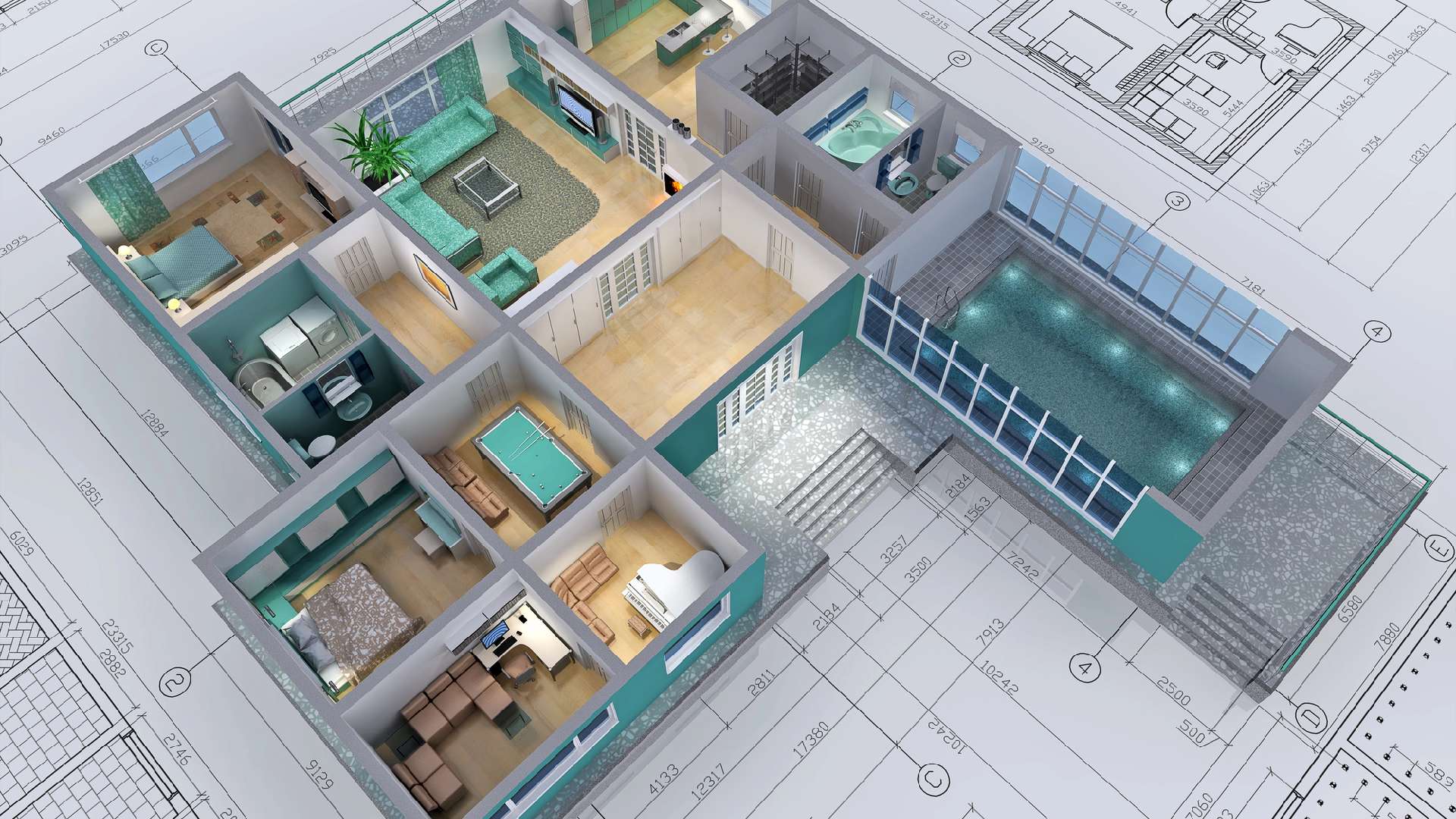
This is where design-forward planning pays off. When you can see the bathroom in 3D and confirm clearances, you remove guesswork from the field. It also makes engineering coordination and permit preparation far more straightforward because the intent is documented.
The trade-off is that pre-construction can feel “long” compared to the excitement of demo. But it is almost always faster than redesigning midstream, especially when inspections and special-order materials are involved.
Permits and building department realities
In the Bay Area, permitting is not one-size-fits-all. Some bathroom refreshes can be permitted quickly; others trigger deeper review due to structural changes, relocating plumbing, new windows, or electrical upgrades.
Good bathroom remodel project management treats permitting as a design constraint, not an afterthought. That means building a plan set that is permit-ready, anticipating common comments, and scheduling around review timelines.
It also means being honest about “it depends.” If your home has older wiring, galvanized lines, or prior unpermitted work, inspections can surface required corrections. The right team plans contingency time and budget so those moments are handled calmly, not reactively.
Procurement: ordering with sequencing in mind
Ordering is not just shopping. It is logistics.
A managed bathroom remodel maps every long-lead item to the construction schedule: tile, waterproofing system, shower valve and trim, tub (if applicable), vanity, countertop, mirror, lighting, fan, toilet, towel warmers, and glass. It also checks compatibility early – for example, whether your selected drain type matches the shower pan approach, or whether the tile thickness affects trim kits.
The goal is simple: when the installer is ready, the product is on site, inspected for damage, and confirmed to be the right model and finish. Otherwise, your “week 4 tile” becomes “week 6 waiting,” and the whole home feels it.
Construction: sequencing with quality gates
Bathrooms have a predictable order, but the quality checkpoints are what separate a clean build from a stressful one.
Demolition should be controlled and protective of adjacent spaces. Dust containment, floor protection, and careful shut-offs matter because bathrooms are often near bedrooms and hallways.
Rough-in is where the invisible work gets set. Plumbing locations, electrical boxes, recessed niches, blocking for grab bars, and vanity heights should be verified against the design before walls close.
Waterproofing is the single most important quality gate in most bathroom remodels. A well-managed project does not treat it as a quick step before tile. It is documented, inspected, and executed with a system approach so corners, benches, curbs, and penetrations are handled correctly.
Then finishes move quickly: tile, grout, paint, cabinetry, countertops, fixtures, glass, and accessories. A project manager keeps the pace without rushing the parts that cure, dry, or set.
Closeout: inspections, punch list, and handoff
The last 5 percent of a bathroom remodel often takes 20 percent of the attention. That is normal – and it is where project management keeps the experience polished.
Closeout includes final inspections, fixture calibration, sealing where needed, and a punch list that is specific, documented, and resolved promptly. It also includes a homeowner walkthrough where you are shown how to operate and maintain what was installed: fan timers, specialty drains, stone care, and caulk vs. grout expectations.
Communication that actually reduces stress
Homeowners do not need a daily novel. They need predictable touchpoints and fast answers when a decision is required.
The most effective bathroom remodel project management uses a simple rhythm: a weekly update on schedule and next steps, plus short check-ins when the project hits decision moments (tile layout, grout color, niche height, mirror placement). When changes occur – and in remodeling, they sometimes do – you want upfront pricing and a clear explanation of options.
This is also where trust gets built. Transparent communication is not a marketing line; it is the difference between feeling cared for and feeling managed.
Budget control without sacrificing design
A bathroom can be a modern piece of art or a calm, ethereal ensuite. It can also be a disciplined investment in resale value. The challenge is making the numbers behave.
Project management keeps budget control tied to choices. Tile selection affects labor. Custom vanities affect lead time. Moving plumbing affects permit scope and wall repair. Heated floors add electrical work and leveling considerations.
The best process frames these trade-offs early so you can prioritize. Maybe you keep plumbing locations to protect budget but invest in a standout vanity and layered lighting. Or you simplify finishes but rework layout to improve function for a growing family.
Common failure points – and how good management prevents them
Most bathroom remodel headaches are predictable.
One is starting construction with incomplete selections. If the tile is not chosen, the waterproofing detail may not match. If the vanity is unknown, electrical and plumbing rough-ins become guesses.
Another is underestimating old-house conditions. Many Bay Area homes have surprises behind walls: water damage, framing that is not standard, or outdated venting. A managed project plans discovery carefully and communicates findings with clear next steps.
A third is poor sequencing. For example, painting before heavy installations, or scheduling glass before tile is fully cured. These are not “minor mistakes” – they create rework, delays, and visible flaws.
What to look for in a bathroom project manager or design-build partner
You are not just hiring someone to swing hammers. You are hiring someone to protect your home, your time, and your decisions.
Look for a team that can show a structured pre-construction process, including how they confirm scope, produce drawings, coordinate engineering when needed, and get permit-ready before build-out begins. Ask how they handle lead times and substitutions, and how change orders are priced and approved.
Also pay attention to how they speak about collaboration. The best partners treat homeowners as part of the decision chain, not a disruption to it. If you feel rushed during planning, you will likely feel even more pressure once construction starts.
If you want a design-led, fully managed approach in the Bay Area, Clever Design & Remodeling is built around in-house design and disciplined project management – the combination that keeps the creative vision intact while the construction stays organized.
A final thought before you pick up one tile sample
A great bathroom is not the result of one perfect finish. It is the result of hundreds of small calls made in the right order, with integrity, and with your real life in mind. If your plan makes you feel calm before the first wall opens, you are already on the right path.