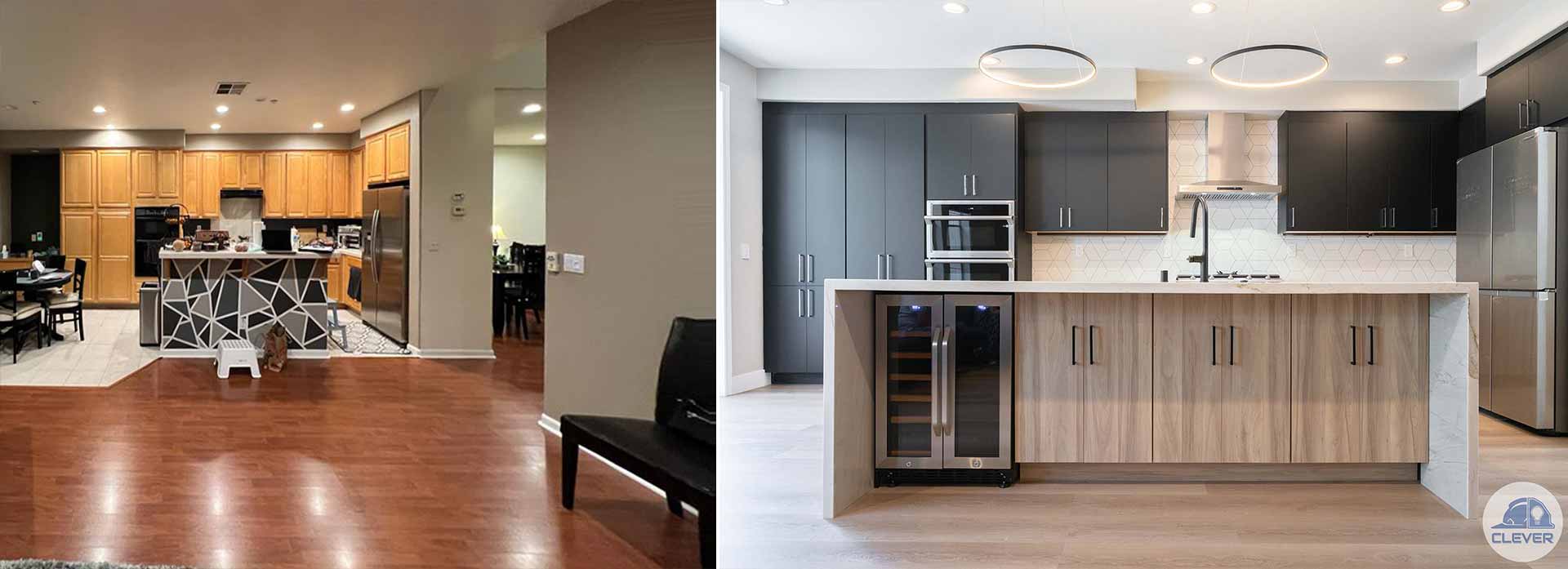

A beautiful remodel rarely comes from treating every decision as fixed from day one. Yet contractor change orders should never feel like surprise invoices arriving after the work has started. When they are handled with clarity, they give homeowners a documented way to make thoughtful adjustments while protecting the budget, schedule, and quality of the finished space.
For Bay Area homeowners renovating an older kitchen, expanding a primary suite, or building an ADU, change orders are often part of responsible construction. Hidden conditions can surface behind walls. A material you selected months earlier may be discontinued. Engineering or permit requirements may call for a different approach. The question is not whether a change is always avoidable. It is whether the change is understood, priced, and approved before the work moves forward.
What Are Contractor Change Orders?
A change order is a written amendment to the original construction agreement. It records a change in scope, materials, cost, timeline, or all three. It becomes part of the contract once both the homeowner and contractor approve it.
A well-written change order should make the decision easy to evaluate. It identifies what is changing, why it is changing, what work or materials are affected, and the exact financial and schedule impact. It should also distinguish between added cost, credited cost, and a no-cost revision.
For example, a homeowner may decide to replace a standard kitchen backsplash with handmade tile after construction begins. The change order should account for the tile cost, potential labor difference, substrate preparation, delivery timing, and any adjustment to the installation sequence. “Upgrade tile” is not enough detail for a meaningful approval.
Change orders are not inherently a sign that a contractor failed to plan. They are a contract tool. Still, frequent or vague changes can point to incomplete design work, unclear selections, or a contractor who is not managing communication with the discipline your investment deserves.
Why Change Orders Happen in Remodeling
Residential remodeling involves existing homes, and existing homes do not always reveal their full story until construction is underway. This is especially true in neighborhoods with aging infrastructure, prior unpermitted work, or multiple generations of renovations layered into one house.
Some changes are owner-driven. You may see the 3D design become real and realize you want deeper drawers, a larger window, or a different layout for a home office. These are valid decisions, but they can affect more than one trade. Moving a wall, for instance, may influence framing, electrical, plumbing, HVAC, drywall, paint, flooring, and inspections.
Other changes arise from site conditions. Opening a wall may reveal water damage, outdated wiring, undersized framing, or plumbing that does not match the available plans. A contractor should explain the condition with photos, discuss practical options, and provide a written path forward rather than simply proceeding and billing later.
A third category comes from outside requirements. Structural engineering, building departments, utility providers, or inspectors may require revisions during the process. A permit-ready plan greatly reduces this risk, but no professional should promise that every field condition or agency request can be predicted in advance.
The Difference Between an Allowance and a Change Order
Homeowners often confuse allowances with change orders because both can affect the final price. They work differently.
An allowance is a budget placeholder in the original contract for an item not selected or fully priced at signing. Cabinet hardware, decorative lighting, plumbing fixtures, and tile are common examples. If your final selection costs more than the allowance, the difference is documented and added. If it costs less, you should receive the corresponding credit.
A change order modifies the agreed scope. Choosing a faucet within the allowance may not require one. Adding a pot filler, relocating a sink, or selecting a fixture that requires a different valve configuration likely does. The distinction matters because a change order should capture related labor and schedule effects, not simply the retail price of a product.
Before signing a contract, ask which items are fixed-price, which are allowances, and how allowance reconciliations will be presented. Clear pre-construction decisions reduce the number of choices that need to be made under the pressure of an active jobsite.
What a Homeowner Should Review Before Signing
A change order deserves the same care as any other meaningful home investment. Do not approve it based solely on a verbal conversation, text message, or an estimate that lacks context. Take time to understand the full implication, particularly when the change touches structure, waterproofing, electrical, plumbing, or permits.
Review these four elements before giving written approval:
- Scope: Confirm exactly what will be added, removed, relocated, repaired, or replaced. If finishes are involved, identify the product, model, color, and quantity where possible.
- Price: Look for a clear breakdown of labor, materials, subcontractor costs, credits, taxes, and contractor markup where applicable. The goal is not to negotiate every line item, but to understand what the number represents.
- Schedule: Ask whether the change affects inspections, material lead times, trade sequencing, or the projected completion date. A beautiful custom item may be worth waiting for, but that should be a deliberate choice.
- Design and performance: Make sure the solution supports the overall plan. A lower-cost substitution can create a visual compromise, while a quick repair may not provide the long-term durability needed in a wet area or high-use family space.
If the change order addresses an unforeseen condition, ask for supporting documentation. Photos, field notes, an engineer’s direction, or an inspector’s correction notice can help you understand why the work is necessary. Transparent support builds trust because it gives you the information needed to make a confident decision.
How to Keep Changes From Taking Over Your Budget
The best defense against unnecessary change orders is a thorough pre-construction process. That means refining the layout, confirming selections, coordinating engineering, and resolving permit questions before demolition begins. A design-build team can be especially valuable here because the design intent, estimating, and construction realities are aligned before work reaches the field.
Start with priorities rather than a wish list alone. Decide which elements are nonnegotiable: perhaps the larger island, accessible shower, natural light, or an ADU layout that supports long-term rental flexibility. Then identify areas where you have room to adjust if pricing or availability changes. This keeps mid-project decisions connected to the lifestyle and value goals that prompted the remodel.
It is also wise to keep a contingency reserve for unknown conditions. The right amount depends on the home’s age, the amount of demolition, and the complexity of the work. A cosmetic update in a newer condo carries different risk than a whole-home renovation involving structural changes and new systems. A contingency is not permission for loose budgeting. It is a practical safeguard that prevents necessary discoveries from forcing poor decisions.
Finally, establish a communication rhythm. Know who is authorized to request changes, who will issue the written documentation, and how quickly approvals are needed to keep work on track. Homeowners should feel included in decisions without being asked to manage the construction process themselves.
Red Flags to Watch For
A contractor who performs extra work without authorization and presents the bill afterward puts the homeowner in a difficult position. Emergencies can require immediate action to prevent damage or secure a site, but those situations should be rare, communicated promptly, and documented as soon as possible.
Be cautious of change orders that use broad language, omit schedule effects, or arrive repeatedly for matters that should have been addressed in the original scope. Likewise, a dramatically low initial bid followed by a steady stream of avoidable additions is not transparent pricing. Fair pricing means being candid about assumptions, exclusions, and the true cost of building the design well.
At the same time, avoid treating every unexpected condition as a contractor error. Quality work sometimes means stopping to correct a concealed problem rather than covering it up. The better question is whether your contractor identified the issue clearly, offered reasonable options, and gave you the opportunity to approve the solution.
A Better Way to Make Mid-Project Decisions
The most successful remodels balance creative ambition with disciplined execution. When a change is proposed, return to the project’s guiding goals: how the home should function, how it should feel, and what will protect its value over time. A thoughtful choice may add cost now while preventing a disruptive renovation later. Another may be worth deferring if it does not serve the larger vision.
At Clever Design & Remodeling, that conversation starts well before construction, with detailed planning, visual design tools, and upfront communication around the decisions that shape cost and schedule. But even with careful preparation, a home can reveal something new once the walls are open. A clear change-order process keeps that moment from becoming adversarial. It lets homeowners make informed choices and keeps the project moving toward a space that feels considered, personal, and built to last.