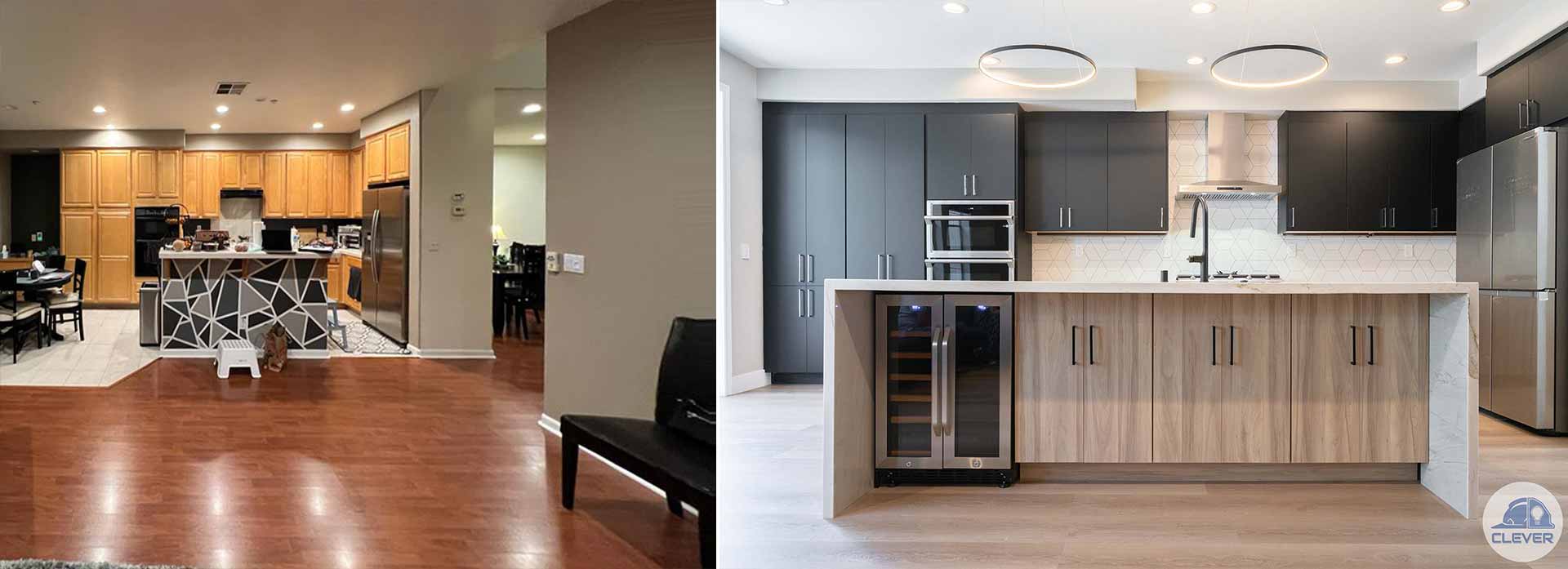

When a remodeling project starts to feel real – permits, pricing, plans, timelines, and a hundred finish decisions – the choice between design build vs bid build suddenly matters a lot more than most homeowners expect. This one decision shapes who is responsible for design, how pricing is developed, how quickly construction can start, and what happens when the inevitable surprises inside an older home show up.
For homeowners planning a kitchen remodel, bathroom renovation, addition, ADU, or whole-home update, the question is not which method is universally better. It is which method gives you the right balance of creativity, control, accountability, and budget clarity for your specific project.
What design build vs bid build actually means
In a design-build model, the homeowner hires one company to handle both design and construction. That usually means concept development, drawings, scope alignment, engineering coordination, permit preparation, and construction management are all led under one roof. The same team is shaping the vision and then executing it.
In a bid-build model, design and construction are separated. A homeowner typically hires a designer or architect first, completes the plans, and then sends those plans out to one or more contractors for pricing. The contractor who wins the bid then builds from the completed documents.
That sounds simple on paper. In practice, the difference is about far more than contract structure. It changes how decisions get made, when costs become visible, and whether your project feels coordinated or fragmented.
Why the process matters so much in residential remodeling
Residential remodeling is not new construction on a blank site. It is work inside lived-in homes with hidden conditions, aging systems, structural constraints, local permitting layers, and deeply personal design goals. A beautiful rendering is only useful if it can be built at the right quality level and within a budget that still feels responsible.
That is where process matters. Homeowners are not just buying construction labor. They are buying foresight, communication, and a team that can connect design ambition with buildable reality.
In many Bay Area homes, that connection is critical. A kitchen wall may contain unexpected plumbing. A bathroom layout may look elegant until code clearances are applied. An addition may affect foundation design, setbacks, or utility upgrades. When design and construction are disconnected, those discoveries can trigger expensive backtracking.
The biggest advantage of design-build
The strongest case for design-build is accountability. One team owns the project from planning through completion, which reduces the finger-pointing that can happen when the designer blames the contractor and the contractor blames the plans.
That single-source responsibility often leads to better alignment early on. Design decisions are shaped with real construction input, material lead times, permitting considerations, and budget implications in mind. Instead of finishing plans and only then finding out they cost far more than expected, the homeowner gets a more grounded process from the start.
This model also tends to create smoother communication. Questions move faster when the designer, estimator, and builder are already part of the same workflow. If a framing issue or material substitution comes up, the team can resolve it internally and present options clearly.
For homeowners who value a guided experience, this can be a major relief. You are not coordinating multiple parties on your own or trying to translate between design language and construction language.
Where bid-build can still make sense
Bid-build is not a bad system. In the right scenario, it can work well.
If a homeowner already has a trusted architect, wants several contractors to compete on a fully developed set of plans, and is comfortable managing a more segmented process, bid-build can provide a sense of pricing comparison. It may also appeal to homeowners pursuing a highly custom architectural vision before choosing a builder.
The trade-off is that those bids are only as comparable as the drawings and specifications are complete. If details are missing, allowances are vague, or assumptions differ from one contractor to another, the lowest bid may not actually represent the lowest final cost. It may simply represent the thinnest interpretation of the work.
That is one of the most common frustrations with bid-build in remodeling. Homeowners think they are comparing apples to apples, but they are often comparing different assumptions hidden inside similar-looking proposals.
Design build vs bid build on cost
Many homeowners assume bid-build saves money because competitive bidding sounds efficient. Sometimes it can. But price and value are not the same thing.
Bid-build can create downward pressure on the initial contract number, yet it may also increase the risk of change orders if the plans did not fully account for construction realities. A contractor bidding hard to win the job may leave less room for gray areas, and remodeling projects always have gray areas.
Design-build often produces pricing that feels more realistic earlier in the process. Because the construction team is involved while the design is being developed, the project can be shaped to match investment goals before everything is finalized. That does not mean every design-build project is cheaper. It means the budget conversation tends to be more integrated and transparent.
For homeowners making meaningful investments in their property, that distinction matters. Predictability is valuable. So is knowing where to spend more for long-term impact and where to simplify without sacrificing the overall result.
Design build vs bid build on timeline
If speed matters, design-build usually has the edge.
Because design and pre-construction are integrated, the team can move from concept to permit-ready plans and then into construction with fewer handoff delays. Engineering coordination, scope refinement, and pricing discussions can happen in parallel rather than in isolated phases.
In bid-build, the sequence is more linear. First design. Then bidding. Then contractor selection. Then construction startup. If bids come in over budget, the plans may need to be revised and rebid, which can add weeks or months.
For busy homeowners, especially those juggling family life, remote work, or temporary living arrangements during a remodel, that time difference can be significant.
Which method gives you more design control?
This is where nuance matters. Some people hear design-build and worry it means giving up creative control. A strong design-build process should do the opposite.
When done well, design-build is collaborative, not restrictive. The homeowner is brought into key decisions early, with guidance around layout, materials, functionality, and cost impact. You still shape the home. The difference is that your design choices are being tested against construction reality as they are made.
Bid-build can offer a different kind of control, especially if you want to spend extensive time with an independent architect developing a very specific vision before construction conversations begin. That can be appealing for architecturally ambitious projects. But it also creates a risk: you may fall in love with a design before fully understanding what it takes to build.
For most remodeling clients, the better question is not who controls the design. It is whether the design process helps them make informed decisions with confidence.
When design-build is usually the better fit
Design-build is often the better choice when the project is complex, the home is older, the schedule matters, or the homeowner wants one accountable partner. It is especially well suited to kitchens, bathrooms, additions, ADUs, and whole-home renovations where design, engineering, permitting, and construction need to stay tightly coordinated.
It also tends to fit homeowners who care about aesthetics and daily usability in equal measure. They want a home that feels elevated and personal, but they also want a disciplined process, honest guidance, and fewer surprises.
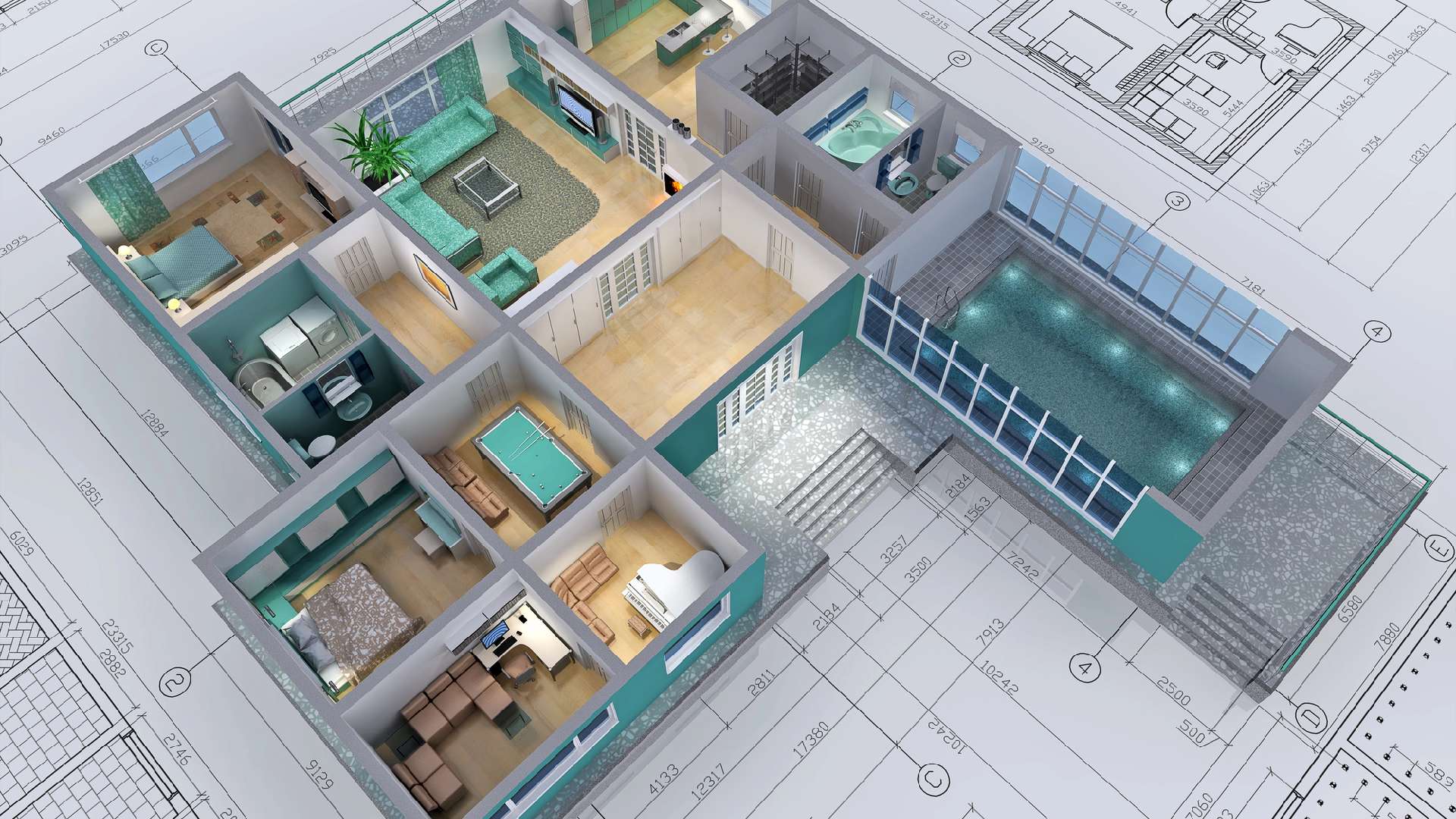
That is why firms like Clever Design & Remodeling center the work around integrated planning before build-out begins. When 3D design, scope development, engineering coordination, and permit readiness happen as part of one structured workflow, the project is far more likely to move forward with clarity.
When bid-build may be the better fit
Bid-build may be the better route if you already have completed plans from a design professional you trust, you want multiple contractors to bid those plans, and you are prepared to manage a more hands-on selection process. It can also fit projects where the design is already largely fixed and the homeowner is prioritizing contractor price comparisons over integrated pre-construction support.
That said, success still depends on the quality of the drawings, the completeness of the specifications, and the discipline of the contractor you hire. If those pieces are weak, the process can feel less transparent than expected.
The question to ask before you choose
Before choosing either path, ask this: do you want to manage the spaces between design and construction, or do you want one team to manage them for you?
That gap is where many remodeling problems begin. Budget drift, schedule delays, unclear responsibility, and avoidable revisions often live there. The more complex the remodel, the more valuable it becomes to close that gap early.
A home remodel is not just a transaction. It is a creative and financial commitment inside one of the most personal spaces you own. The right delivery method should protect both the vision and the investment.
If you are weighing design build vs bid build, choose the process that gives you the clearest path to a finished home that feels thoughtful, well-executed, and worth every decision it required.