
If you have spent even an hour reading ADU builder reviews, you have probably seen the same pattern. One company has five stars but only a handful of comments. Another has glowing feedback that says almost nothing beyond “great job.” A third looks promising until you notice repeated complaints about permits, change orders, or long stretches of silence.
That matters more in the Bay Area than almost anywhere else. An ADU is not a simple backyard project. It sits at the intersection of design, engineering, city approvals, site constraints, and construction discipline. Reviews can help, but only if you know what they are actually telling you.
What ADU builder reviews Bay Area homeowners should look for
The best reviews are specific. They mention how the builder communicated, whether timelines were explained clearly, how design decisions were handled, and what happened when something changed. That level of detail usually signals a real client experience rather than generic praise.
For Bay Area homeowners, the strongest reviews also reflect local realities. A contractor may be excellent in one market and still struggle here if they do not know how to navigate hillside lots, tight urban setbacks, utility upgrades, or city-by-city permitting differences. San Jose, Oakland, San Mateo, and San Francisco do not all behave the same. Reviews that mention permit readiness, plan coordination, and responsiveness during approvals tend to be more useful than comments focused only on the final look.
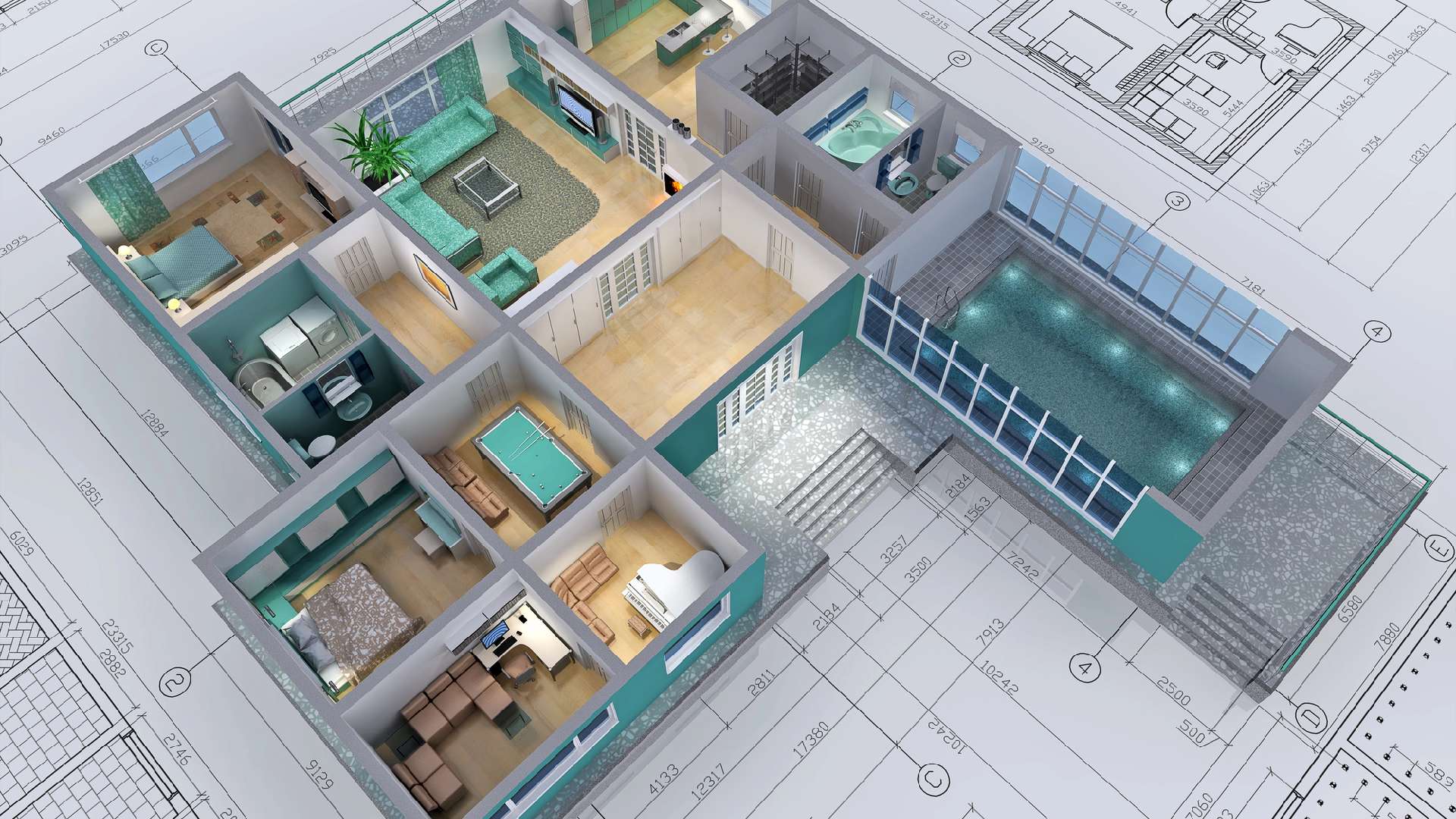
There is also a difference between reviews for a general contractor and reviews for an ADU specialist or design-build firm. With ADUs, the pre-construction phase often determines whether the project stays on budget and on track. If reviews repeatedly mention thoughtful planning, 3D design work, engineering coordination, and upfront pricing conversations, that is a stronger signal than a simple compliment about craftsmanship alone.
A five-star rating is not the whole story
A high rating deserves attention, but it should not end your research. In residential construction, averages can flatten the details that actually matter.
A builder with fewer reviews may still be excellent, especially if they handle a smaller number of higher-touch projects. On the other hand, a large number of reviews can be reassuring if the comments stay consistent over time. What you want to see is a pattern. Do homeowners keep describing the company as organized, transparent, and respectful of the home? Do they talk about follow-through after contracts are signed, not just during the sales process?
A perfect score can even be a reason to read more carefully. Real projects involve decisions, trade-offs, and occasional friction. Authentic reviews often acknowledge that reality while still praising the outcome. A client who says, “The permit process took longer than expected, but the team kept us informed and adjusted the schedule clearly,” tells you far more than ten vague comments that simply say “amazing experience.”
Read for process, not just praise
An ADU is built twice – first on paper, then on site. Reviews that focus only on the finished unit miss half the job.
Look for clues about the builder’s process. Did the team help the homeowner evaluate layout options? Were structural and architectural details coordinated early? Did the client understand what was included before construction began? These questions are not glamorous, but they often decide whether a project feels controlled or chaotic.
The most valuable adu builder reviews bay area clients leave often mention communication rhythm. Weekly updates. Fast answers to questions. Clear explanations when costs changed. Respect for homeowner decisions. Those details reflect the health of the relationship, and in a project that touches your property, finances, and daily life, relationship quality matters.
A design-forward builder should also earn reviews that speak to problem solving, not just production. Bay Area ADUs frequently need to serve more than one goal. They might house family, create rental income, support work-from-home flexibility, or improve resale value. Strong reviews often show that the builder understood the larger purpose and designed accordingly.
Red flags hidden inside positive reviews
Not every positive review is equally encouraging. Some contain warning signs if you read closely.
If multiple reviews praise a builder’s friendliness but say little about schedule control, design support, or workmanship, that may suggest a pleasant sales experience without much evidence of execution. If clients repeatedly say the final cost was much higher than expected, even while praising the crew, pay attention. Budget discipline is part of the service, not a separate issue.
Another red flag is inconsistency. If one review describes the company as highly organized and another says the homeowner had to chase updates for weeks, ask why. Staffing changes, project size, and subcontractor management can all affect the experience. Construction is human work, so some variation is normal, but wide swings deserve scrutiny.
You should also be careful with reviews that celebrate speed without context. Fast is not always a virtue if design was rushed, permit documents were incomplete, or quality controls were light. In ADU work, disciplined planning often saves more time than hurried construction.
How to compare reviews across Bay Area builders
The cleanest way to compare builders is to read reviews through the lens of risk. Which company appears most likely to protect your budget, your property, and your peace of mind?
Start by grouping what you read into four categories: design capability, project management, build quality, and transparency. A builder may shine in one area and feel average in another. For example, a company might produce beautiful finishes but receive mixed feedback on communication. Another may be highly organized but less design-sensitive. Which trade-off matters more depends on your goals.
If your ADU needs to maximize a small footprint, blend with an existing home, or satisfy a planning department with strict requirements, design and pre-construction rigor should carry more weight. If your plans are already complete and straightforward, construction management may matter most. Reviews only become useful when you connect them to the type of project you are actually building.
This is where a full-service design-build partner often stands apart. When design, planning, permitting coordination, and construction are handled as one integrated process, there are fewer handoff gaps. Reviews that reflect that kind of continuity are worth serious attention because they suggest accountability from concept through completion.
What reviews cannot tell you
Even strong reviews have limits. They do not always reveal whether your lot is a fit, whether your budget aligns with your goals, or whether the builder’s team chemistry will feel right to you.
They also cannot fully show how a company handles the earliest planning decisions, especially if many reviewers focus on the final result. That is why reviews should be one filter, not the only one. Use them to identify patterns, then verify those patterns in consultation.
When you speak with a builder, ask questions that reviews raise. How do you prepare clients for permitting timelines? How do you handle scope changes? What does your design phase include? How often will I hear from the project team? If the online feedback highlights transparency, the live conversation should confirm it.
For homeowners looking for a partner rather than just a crew, the right fit often comes down to whether the company combines craft with structure. Beautiful ADUs are not created by chance. They are the result of thoughtful design, permit-ready documentation, disciplined execution, and transparent support all the way through. That is the standard Bay Area projects demand.
Choosing a builder with confidence
Reviews should not push you toward the loudest company. They should help you identify the most dependable one.
The builders worth shortlisting are usually the ones whose clients describe a complete experience: clear planning, honest pricing conversations, strong design thinking, organized project management, and a finished space that feels both functional and elevated. In a market where every square foot matters, that combination protects more than your investment. It protects your trust.
If you are comparing ADU partners, look for a firm that treats your home like a serious design and construction project from day one, not an afterthought in the backyard. That level of care is what turns reviews into reassurance. For Bay Area homeowners who want an accountable, design-led process, Clever Design & Remodeling reflects that standard at every stage.
A thoughtful review can tell you where to look. A thoughtful conversation will tell you whether you have found the right team.