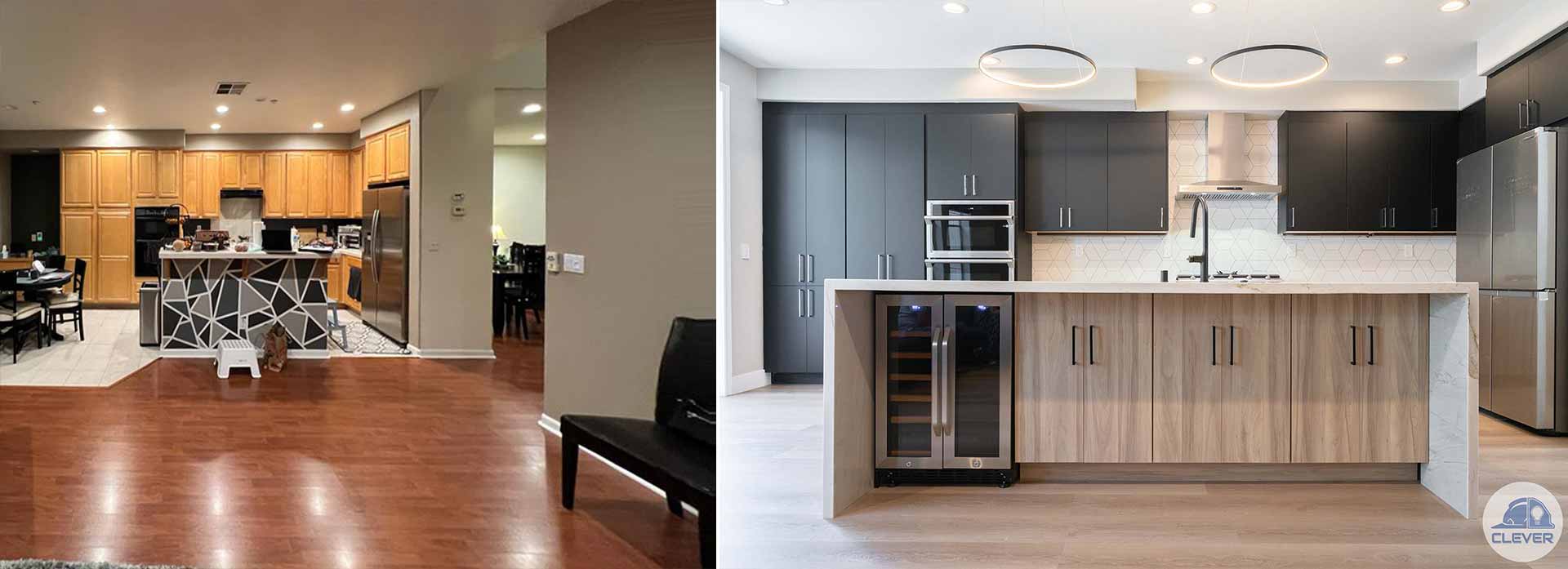

The moment a home starts feeling tight, families usually notice it in the smallest daily routines. Two kids need quiet corners for homework. A baby becomes a toddler and outgrows the nursery. Grandparents stay longer. One parent takes video calls from the kitchen table while dinner is underway. That is when top room addition ideas for growing families stop feeling like inspiration and start feeling like a practical next step.
A well-planned addition is not just about adding square footage. It is about restoring ease to the way your household moves, gathers, works, and rests. The right choice depends on your lot, your home’s structure, your budget, and how you expect your family to change over the next five to ten years. In high-value homes, especially where moving may cost more than improving, a thoughtful addition can also protect long-term resale while making everyday life much better right now.
What makes a room addition worth it
The best additions solve more than one problem at a time. A new bedroom might reduce sibling conflict today, but if it can later function as a guest room or office, it becomes a smarter investment. A larger family room may create breathing room for daily life, but if it also improves circulation to the yard and kitchen, it changes how the whole home performs.
That is why design matters early. Room additions are rarely just boxes attached to the house. Rooflines, window placement, natural light, storage, privacy, and structural tie-ins all affect whether the new space feels integrated or obviously added on. In many Bay Area homes, there is also the reality of older construction, irregular lots, and permit complexity. Good planning up front prevents expensive compromises later.
Top room addition ideas for growing families
1. A new primary suite that gives parents real privacy
When kids take over every spare room, parents are often the last to claim a space of their own. A primary suite addition can bring back privacy, improve storage, and create a calmer daily rhythm. This is especially valuable in older homes where the original bedroom layout feels undersized by current standards.
Done well, a primary suite is not excessive. It can be modest in square footage but still feel elevated through better light, a walk-in closet, and a bathroom that is designed around how you actually get ready in the morning. The trade-off is cost. Plumbing, fixtures, waterproofing, and finish materials raise the budget compared with a simple bedroom addition. But for many families, the comfort and resale appeal make it a strong long-term move.
2. A second-story addition for families who need space without losing the yard
If your lot is tight or your outdoor space already works hard for your family, building up instead of out may be the better answer. A second-story addition can create multiple bedrooms, a bathroom, and even a small flex area while preserving the footprint below.
This approach can be transformative, but it also requires more coordination. Structural upgrades, stair placement, and construction logistics tend to be more involved. It may also affect how long you can comfortably live in the home during the project. Still, for families in neighborhoods where lot coverage is limited and every foot of yard matters, a second story is often one of the most effective ways to create meaningful space.
3. A dedicated kids’ wing that reduces household friction
Sometimes the problem is not total square footage. It is the way bedrooms and bathrooms are arranged. Adding a small bedroom cluster with a shared bath can create a more functional family layout, especially if children currently share one undersized room or if age gaps are making that arrangement harder.
This kind of addition works best when it considers the next phase too. Young children may be happy near each other now, but teenagers need more privacy and noise separation. A kids’ wing that includes built-in storage, strong acoustic planning, and a bathroom laid out for multiple users can grow with the household instead of needing another rethink in a few years.
4. A family room addition that becomes the center of the house
For some households, bedrooms are adequate, but the shared living spaces are strained. Toys, backpacks, sports gear, laptops, and daily life all compete for the same few rooms. A family room addition can relieve that pressure and give the home a true gathering space.
This is often one of the most versatile choices because it changes how several adjacent rooms function. A larger family room connected to the kitchen can improve entertaining, after-school routines, and sightlines for parents with younger kids. If designed with built-in cabinetry or a homework nook, it can quietly support storage and study needs too. The key is avoiding a room that is big but disconnected. Proportion, access to the yard, and natural flow matter more than square footage alone.
5. A home office that can later become a bedroom
Work-from-home is no longer a temporary adjustment for many families. If a spare corner in the dining room is not cutting it, a dedicated office addition may be the most immediate quality-of-life upgrade you can make.
The smart version of this addition is one that serves two futures. Design it with a closet or closet-ready niche, proper egress, and enough privacy so it can later function as a guest room, nursery, or bedroom for an older child. That flexibility protects your investment. It also keeps the addition from feeling too specialized if your family’s needs shift.
6. A multigenerational suite for extended family living
More families are planning for parents, in-laws, or long-term guests to stay comfortably at home. A multigenerational addition can provide the right level of independence while keeping loved ones close. Depending on layout and local requirements, that may be a bedroom and bath, a suite with a sitting area, or a more private connected space.
This idea deserves careful thought because privacy cuts both ways. The person staying there needs dignity and comfort, but the main household also needs boundaries. Separate access, sound control, and bathroom placement become more important than many homeowners expect. When approached thoughtfully, this kind of addition can support family care, reduce future housing stress, and add meaningful utility to the property.
How to choose the right addition for your family
The strongest answer is rarely the one with the biggest footprint. It is the one that solves the most urgent pain point while still fitting the home architecturally and financially. Start by looking at what causes stress now. Is it morning bathroom traffic, lack of private bedrooms, no place to work, or the absence of a shared room where everyone can spread out?
Then look at what is likely coming next. Another child. Teenagers who need independence. A parent moving in. A hybrid work schedule that is not going away. Families often make better decisions when they plan for the next chapter, not just the current one.
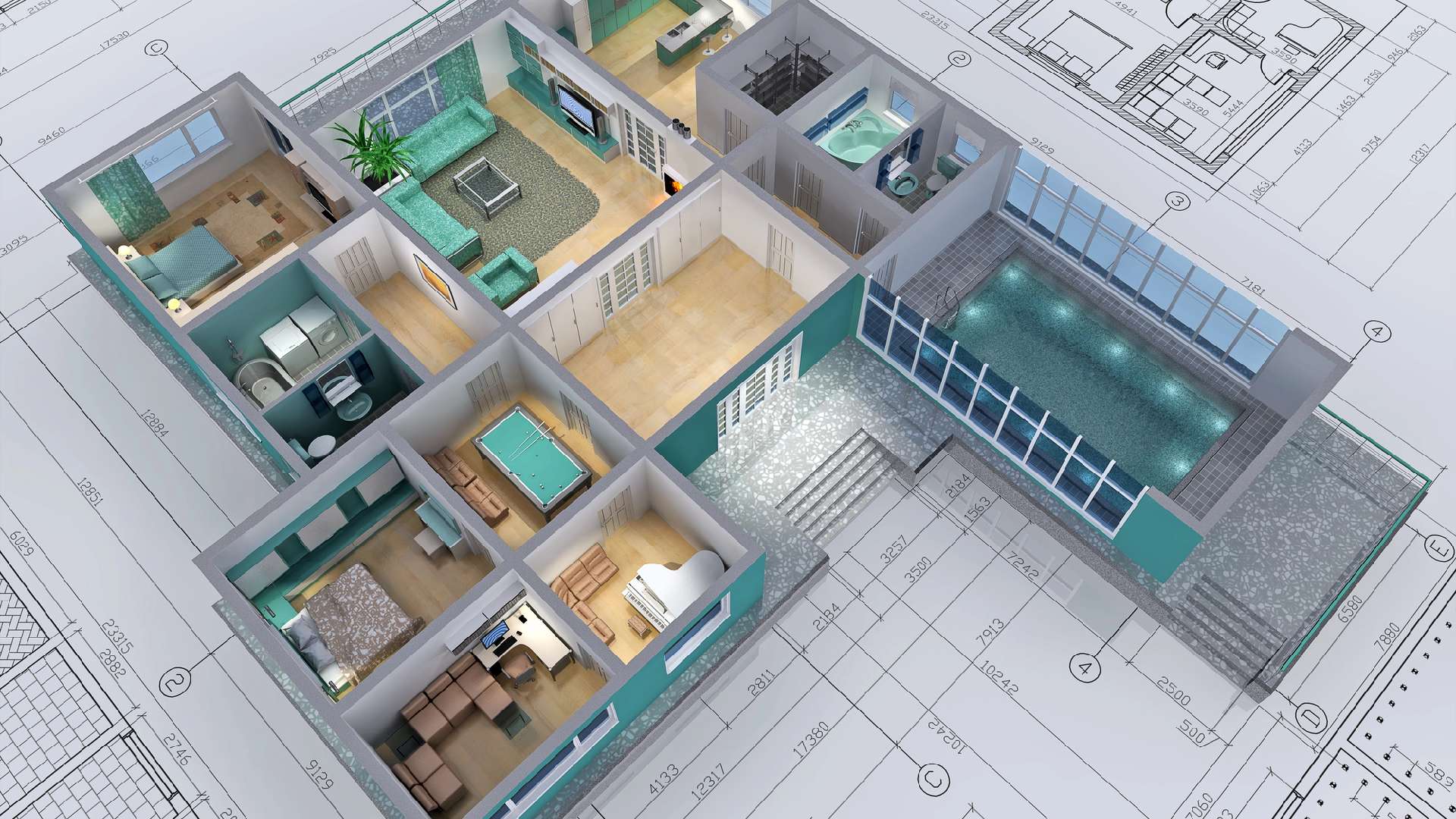
This is also where a design-build process adds real value. Before construction begins, families benefit from seeing how the addition ties into the existing home, what engineering may be required, and how permitting will affect scope and timeline. 3D planning, clear material selections, and upfront communication can prevent that common problem where a project looks good on paper but feels unresolved in real life.
Design details that make additions feel original to the home
A successful addition should not feel like an afterthought. Roof pitch, window scale, exterior materials, and interior transitions all shape whether the new space belongs. Inside, ceiling height, flooring continuity, trim profiles, and lighting should be considered as part of one composition, not separate decisions.
Storage deserves extra attention. Growing families do not only need more rooms. They need places for everyday life to land. Built-ins, linen storage, drop zones, and integrated cabinetry often do more for livability than an extra few feet of open floor area.
Natural light also changes the experience of an addition. A room that is technically bigger but dim and closed off will not feel like a real upgrade. Strategic windows, doors to the yard, and thoughtful orientation can make a moderate addition feel generous.
Budget, permits, and the reality check every family needs
Every addition comes with trade-offs. A ground-floor bump-out may be simpler to build, but it can reduce yard space. A second story preserves the lot, but often increases structural complexity. Adding a bathroom improves functionality, but drives cost higher. The right call depends on your priorities.
Permitting and code compliance should be treated as core parts of the project, not side steps. In many homes, additions involve zoning review, structural calculations, Title 24 considerations, and utility coordination. That is one reason homeowners in Santa Clara, San Mateo, and Alameda counties benefit from working with a team that understands both design intent and construction execution. When those pieces are aligned early, projects tend to move with fewer surprises.
Clever Design & Remodeling approaches additions this way for a reason. Families need more than a builder who can frame walls. They need a partner who can translate lifestyle goals into a plan that is permit-ready, well-resolved, and built with care.
The best room addition is the one that gives your family room to breathe without losing the character of the home you already love. When the design is honest, the process is transparent, and the space is shaped around real life, an addition can feel less like extra square footage and more like a home finally catching up to the people living in it.