
You can usually tell within five minutes if a contractor is going to protect your home – or treat it like a jobsite. Do they ask how you live day to day? Do they notice the awkward kitchen walkway, the underpowered bath fan, the roofline that will complicate an addition? Or do they jump straight to “We can start next month” without understanding what you are actually building?
If you are searching for top rated general contractors Bay Area homeowners consistently recommend, the real challenge is that “top-rated” can mean two different things. It can mean the most five-star reviews. Or it can mean the team that reliably designs well, documents correctly, budgets honestly, and finishes with craftsmanship that still looks right five years later. In a region where permitting is real, trades are booked out, and small decisions have expensive consequences, the second definition is the one that protects your investment.
What “top-rated” really means in Bay Area remodeling
In the Bay Area, high ratings often correlate with something more specific than charm or speed: process. Homes here are older, lots are tighter, inspections are picky, and the cost of rework is painful. A truly top-rated contractor is the one who prevents chaos before it starts.
That looks like disciplined preconstruction: clear scope, detailed selections, trade coordination, engineering when needed, and permit readiness before anyone swings a hammer. It also looks like communication that stays steady when the inevitable happens – a backordered tile, a hidden plumbing issue, a neighbor complaint, an inspection correction.
Reviews matter, but what you want is proof of repeatable performance. If a contractor consistently earns trust, you will see it in how they talk about scheduling, how they document changes, and how they handle the parts of remodeling that are not fun.
Why “top rated general contractors Bay Area” is a tricky search
Homeowners often start by comparing star ratings and photo galleries. That is reasonable, but it is incomplete. The Bay Area has a mix of specialists, remodel-only contractors, design-build firms, and larger builders who take occasional remodels. They can all look similar online.
Two contractors can both have excellent reviews while offering very different experiences. One might be a strong builder who expects you to bring plans, pick materials alone, and manage the design decisions with an architect. Another might run a design-build model, guiding you through layout, finishes, engineering coordination, and permitting, then executing the construction with the same team that planned it. Neither approach is automatically “better.” It depends on how involved you want to be, how complex the project is, and how much risk you are willing to carry as the homeowner.
Start with the project type, not the rating
A kitchen remodel in a San Mateo bungalow, an ADU in San Jose, and a full-home renovation in Oakland are different animals. When you read reviews, you want to see your project reflected in the contractor’s body of work.
If you are planning structural changes (removing walls, opening up a layout, adding a second story, building an ADU), prioritize contractors who regularly coordinate engineering and permits. If you are updating finishes in a tight footprint, prioritize teams known for detail work, dust control, and clean scheduling. If you are renovating while living in the home, prioritize communication systems and a daily jobsite culture that respects that this is still your sanctuary.
Top-rated outcomes happen when the contractor’s strengths match the project’s real demands.
The credibility signals that actually predict a good build
You do not need to become a construction expert to hire well. You need a few reliable signals.
Licensing, bonding, and insurance are table stakes. In California, you should verify the contractor’s license status and ensure they carry proper insurance. But credentials alone do not predict day-to-day performance. What predicts performance is how a contractor runs the work.
Listen for specificity. A strong contractor can explain their preconstruction process in plain English: how they create the scope, how they budget, when they lock selections, how they build a schedule, and what triggers a change order. They can also tell you what they will not know until demo – and how they handle that uncertainty without turning your budget into a guessing game.
Also pay attention to whether the contractor has stable trade relationships. The best general contractors are not just “managers.” They are leaders of a network of craftspeople who show up, coordinate, and care.
Design-build vs. build-only: the trade-off most homeowners miss
Many Bay Area projects go sideways before construction begins, when the design is beautiful but not buildable at the intended budget, or when permit sets are incomplete and the contractor has to “figure it out” in the field.
A build-only contractor can be a great fit if you already have solid plans, a complete set of selections, and a clear scope. It often works well when you have an architect you trust and you want competitive bids from multiple builders.
A design-build firm can be the better fit when you want one accountable partner from concept through completion. The upside is alignment: the team designing the space is accountable to the team building it, and the budget can be shaped as the design evolves. The trade-off is that you are not collecting apples-to-apples bids from multiple builders, so you need to be confident in the firm’s transparency and pricing discipline.
For many homeowners investing in both livability and resale value, the design-build model reduces friction, shortens decision loops, and prevents those expensive “we need to revise the plans” moments midstream.
Pricing: how top-rated contractors talk about money
In the Bay Area, pricing swings widely because scope, access, code compliance, and finish level vary dramatically. The problem is not that remodeling is expensive. The problem is when the budget is vague.
A top-rated contractor does not hide behind allowances that are guaranteed to explode later. They will still use allowances in appropriate places, but they will tell you what is included, what is excluded, and what realistic ranges look like for the level of finish you are describing.
Ask how they handle change orders. Not whether they have them – every remodel does – but how they prevent unnecessary ones. The best teams push decisions earlier, document selections, and keep a clean paper trail so your budget stays intentional.
Also ask how they structure payments. You are looking for a schedule tied to real milestones, not a front-loaded arrangement that makes you feel financially exposed.
Permits and timelines: the Bay Area reality check
If a contractor promises a fast timeline without discussing permitting, that is not optimism. That is a warning.
Every city has its own process, and review cycles can stretch depending on complexity and department workload. A contractor who routinely works in San Francisco, San Mateo County, Santa Clara County, or Alameda County should be able to speak to typical permit pathways and how they plan around approvals.
Top-rated contractors build schedules that include real lead times: design development, engineering, plan check, material ordering, and inspection sequencing. They also talk about long-lead items early so you are not choosing cabinets after rough plumbing is already underway.
The best timelines feel calm, not rushed. They leave room for inspections and coordination because that is what keeps the job moving.
Communication: the difference between a good build and a stressful one
Most homeowners do not regret remodeling because of the dust. They regret it because they felt out of the loop.
Top-rated general contractors run communication like a project system, not a personality trait. You should know who your point of contact is, how often you will get updates, and how decisions will be documented. Look for a contractor who invites you into key moments – layout sign-off, finish selection confirmation, preconstruction review – and who protects you from decision fatigue by narrowing options with design intent.
If you are someone who wants to be hands-on, a collaborative contractor will feel like a partner. If you prefer fewer decisions, a strong team will still keep you informed, but they will guide rather than overwhelm.
Questions that reveal whether a contractor is truly top-rated
When you interview contractors, ask questions that force real answers.
Ask what their process is for developing a detailed scope before construction starts. Ask how they handle hidden conditions like old wiring, subfloor damage, or unpermitted work discovered during demo. Ask who will be on site day to day and how trade scheduling is coordinated.
Then ask to see examples that match your project: a kitchen with a similar footprint, an ADU with a similar access situation, a whole-home renovation with comparable age and layout constraints. Great contractors are proud of their work, but they are even prouder of the problems they solved to get there.
A note on choosing a contractor who respects design
The Bay Area is full of intelligent homeowners with high standards. You want your remodel to function better, but you also want it to feel like it belongs – proportion, light, material transitions, the quiet details that make a space feel intentional.
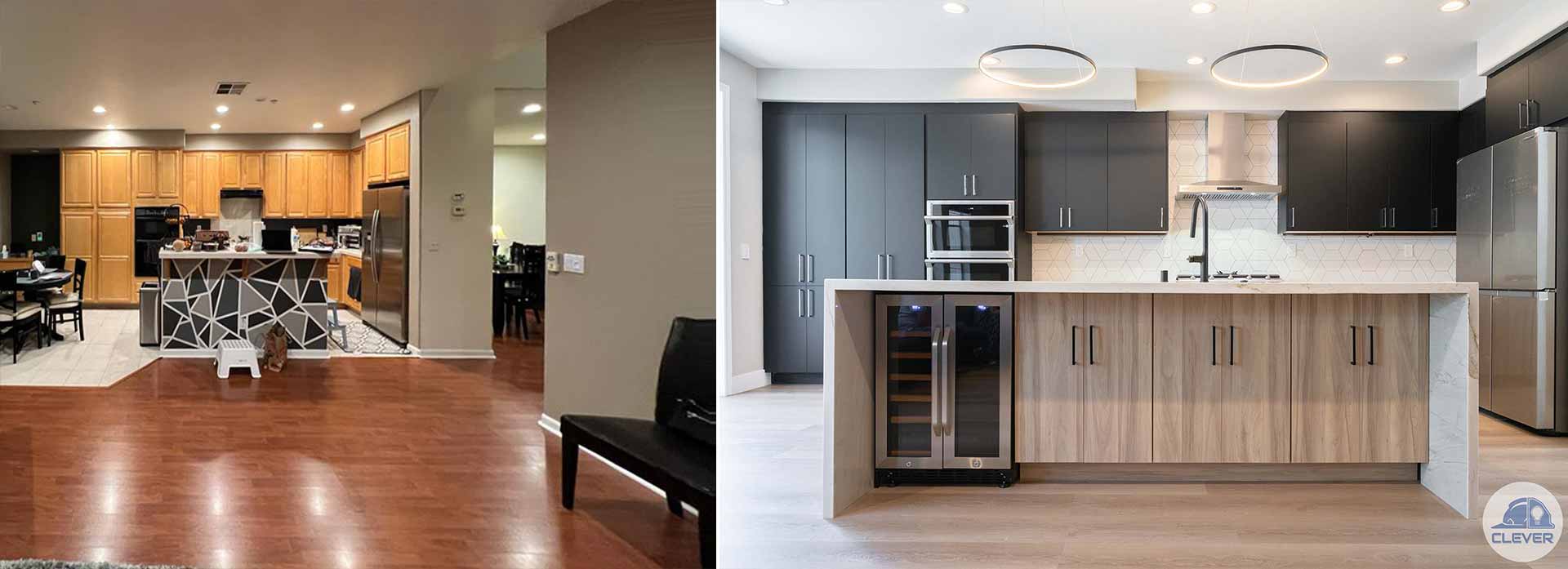
That is where design-forward general contracting matters. A contractor who understands design will catch misalignments early: a window that should shift to center a vanity, a soffit that can be simplified, a lighting plan that needs layers instead of a single ceiling fixture. They will also protect the design during construction, which is where many good ideas get value-engineered into mediocrity.
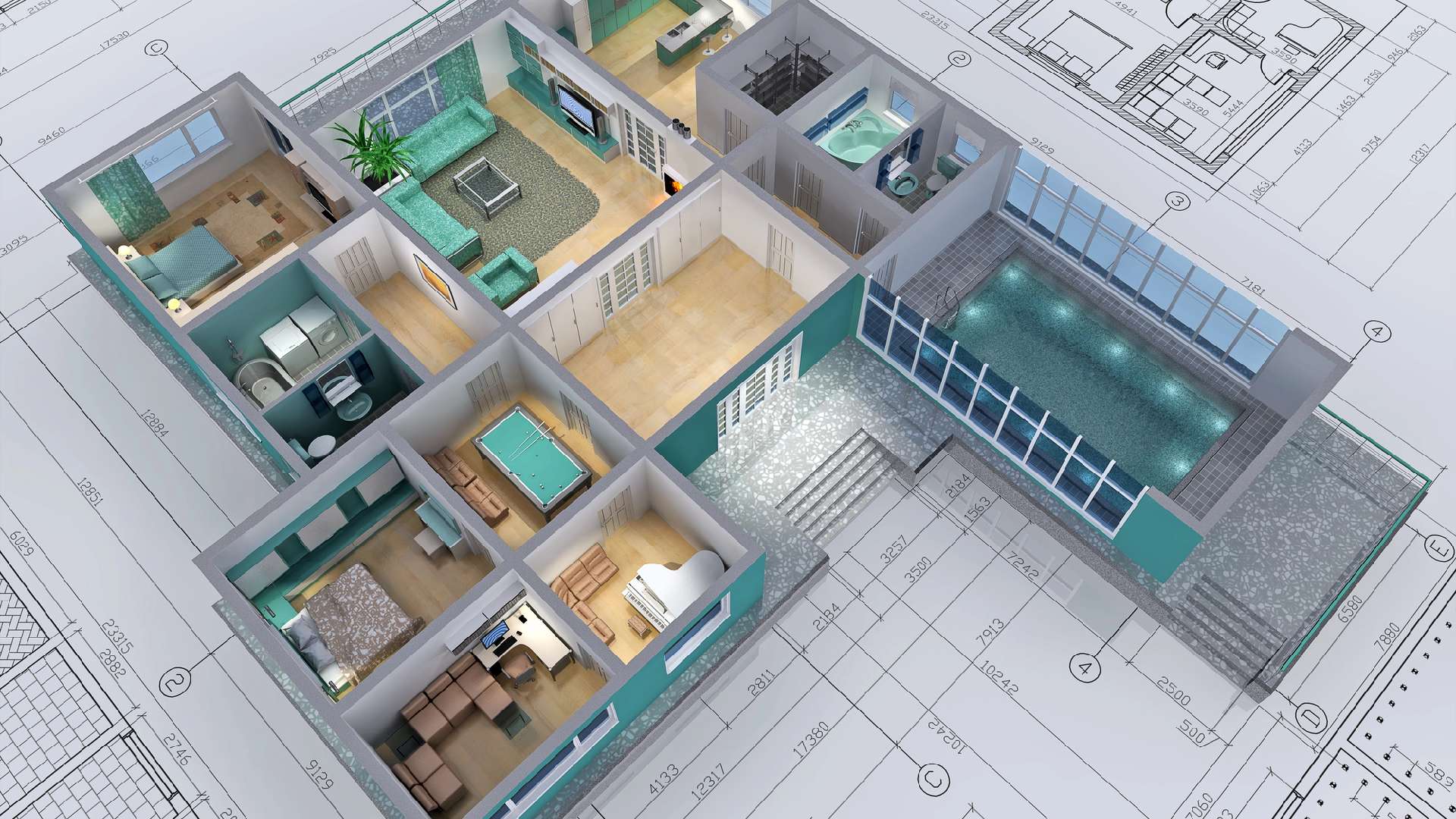
If you are looking for a single accountable partner that blends 3D design planning with disciplined construction and clear communication, you can explore Clever Design & Remodeling and see how a design-build process can reduce uncertainty while elevating the finished space.
How to make your final decision with confidence
After consultations and proposals, do not choose based on charisma or the lowest number. Choose the team that made your project feel most defined.
You should know what is being built, what it will look like, how long it will take, and how decisions will be handled. You should feel that the contractor is protecting your home, your budget, and your time – not just selling you.
If you are deciding between two strong options, zoom in on three things: the clarity of the scope, the strength of the communication plan, and the contractor’s comfort with your project’s specific complexity. The Bay Area rewards the teams who plan thoroughly, because planning is what turns a remodel from a stressful stretch into a guided transformation.
Your home is a high-value asset, but it is also where your life happens. Choose the contractor who treats both with integrity, then enjoy the process of watching your space become more you.