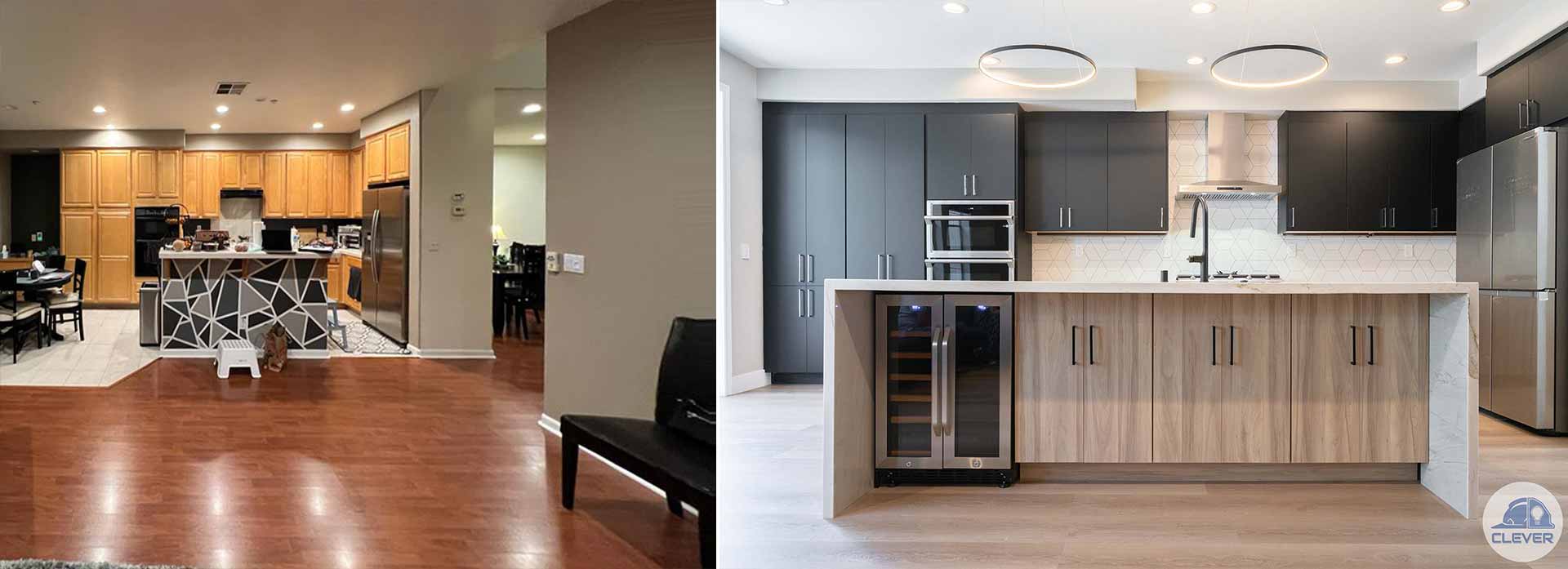

The Bay Area has a way of making square footage feel like a luxury item. One new baby, one parent moving in, one remote job that becomes permanent, and suddenly your “fine for now” floor plan starts negotiating with your daily life.
A room addition is often the cleanest way to keep the neighborhood you love without forcing your home to work harder than it can. But it is also one of the fastest ways to run into expensive delays if the contractor is guessing on structure, permitting, or scope. Choosing the right room addition contractor Bay Area homeowners can rely on is less about who promises the fastest start date and more about who can plan, design, permit, and build with discipline.
What a room addition really involves in the Bay Area
In other parts of the country, a “simple addition” might mean framing a new room and tying into existing systems. Here, the addition has to coexist with an older house, tight setbacks, a high seismic bar, and a permit environment that is thorough by design.
Most additions touch more than you expect: foundations, shear walls, roofing transitions, drainage, insulation requirements, window egress, and electrical load calculations. Even when you are “just adding a bedroom,” you are changing the building’s performance as a system.
That is why the most reliable additions start with pre-construction clarity. The best outcomes come from contractors who treat design, engineering, and permitting as part of the build, not as separate chores the homeowner must coordinate.
Choosing a room addition contractor Bay Area homeowners can trust
The contractor you choose is effectively choosing your project experience. You are not only buying craftsmanship, you are buying project management, communication, and someone’s ability to anticipate problems before they become change orders.
A strong fit typically looks like this: the contractor asks detailed questions early, explains trade-offs without pressure, and is comfortable slowing down the “start building” excitement long enough to protect your budget.
You will feel the difference in how they talk about unknowns. If someone offers a firm price while glossing over site conditions, structural needs, or permit timelines, that certainty is often borrowed from the future.
Design-build vs. “bring your own plans”
If you already have architectural plans, a traditional GC route can work well, especially if the plans are permit-ready and coordinated with structural engineering.
If you do not, design-build can be a better match for room additions because it keeps design decisions tethered to real construction costs. The trade-off is that you are choosing a firm for both creative direction and execution, so you want to see evidence of taste and technical rigor.
The signals that matter more than marketing
Look for operational proof: licensing and insurance, a clear written scope, a process for selections and allowances, and a realistic schedule that includes permitting and long-lead materials.
Also pay attention to communication. A room addition lives in your home for months. If you cannot get a clear response during the sales process, you are unlikely to get clarity when framing reveals an old plumbing line where no one expected it.
The process that prevents budget drift
Room additions feel expensive when the plan is fuzzy and decisions happen mid-construction. They feel controlled when the project is designed to be buildable before anyone swings a hammer.
A well-run contractor will usually move through a sequence that looks like: site understanding, conceptual layout, design development, engineering, permit set completion, and then construction.
Homeowners sometimes worry that spending time in design slows them down. In practice, that time is what protects you from rework, rushed material decisions, and “we’ll figure it out later” pricing.
Why 3D planning changes the experience
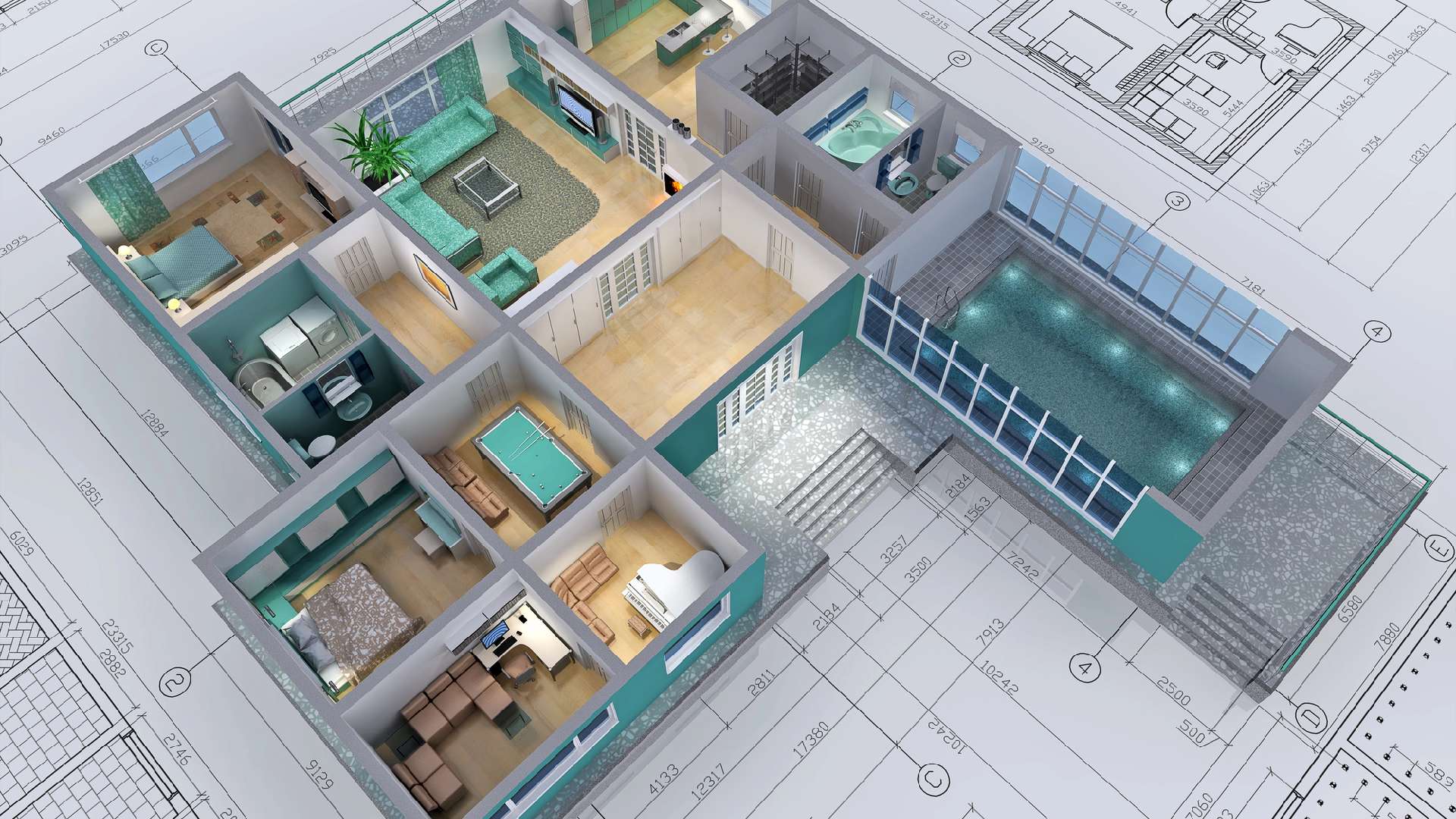
For additions, 3D renderings are not just for aesthetics. They are a coordination tool. They help you see rooflines, window proportions, and how the new space connects to the old one, which is where most regret comes from.
They also speed up decisions. When homeowners can visualize the space, selections become intentional instead of reactive, and you avoid last-minute compromises that do not match the rest of the home.
Engineering and seismic reality
Many Bay Area additions trigger structural considerations beyond the new room itself. Depending on the existing home, you may need foundation work, shear wall design, or upgrades that bring portions of the structure into better compliance.
A good contractor will not use seismic requirements as a vague scare tactic. They will explain what is required, what is recommended, and what is optional, then document those choices so you can make a confident call.
Permitting: where timelines are won or lost
Permitting is not a side quest. It is a central part of the timeline, and it varies by city and county. Some jurisdictions are faster with clear submittals; others have layered reviews that can extend the pre-construction phase.
The controllable part is the quality of the permit set. Clean drawings, coordinated engineering, clear notes, and code-aware design reduce back-and-forth corrections.
If a contractor dismisses permitting as “easy” without asking where you live, treat that as a yellow flag. The Bay Area rewards preparation.
Comparing bids without getting misled
Two bids can look similar and be worlds apart. One may include structural scope, insulation upgrades, detailed finishes, and jobsite protection. Another may omit those items and call them “owner responsibility” later.
You will make better comparisons by asking each contractor to explain what is included and what is assumed. The goal is not the cheapest number. The goal is the most honest number.
Here are the most common areas where additions drift if they are not defined up front:
- Allowances that are too low for Bay Area pricing (windows, doors, tile, fixtures, cabinetry)
- Utility upgrades (electrical panel capacity, HVAC extensions, plumbing venting)
- Exterior integration (siding match, roof tie-in, gutters, drainage)
- Jobsite realities (access constraints, staging, protection for occupied homes)
A premium contractor should be able to justify their pricing with scope clarity and a plan to keep the build predictable.
Design choices that protect resale value
A room addition should feel like it always belonged. That is both a design problem and a construction problem.
From a design standpoint, proportion and flow matter: the hallway that suddenly narrows, the ceiling height that changes awkwardly, the window style that looks “new” in the wrong way. From a build standpoint, integration matters: consistent trim details, clean transitions, and exterior finishes that do not telegraph where the old house ends and the new one begins.
If you are thinking about resale, prioritize flexible spaces and natural light. A dedicated office can still read as a bedroom if the layout and egress work. A primary suite addition can be a value engine, but only if the bathroom and closet are designed with the same intentionality as the bedroom.
Living through construction: the part nobody glamorizes
Most Bay Area homeowners do not move out for an addition, and that choice has real implications. A contractor’s jobsite habits will affect your daily routine, your privacy, and your stress level.
Ask how they handle dust control, site cleanliness, daily access, parking, material staging, and communication cadence. You want someone who treats your home like a lived-in space, not an empty jobsite.
Also ask who is your point person. Additions involve dozens of micro-decisions. When you know exactly who to call, problems stay small.
When an addition is not the best answer
It depends on your lot, your layout, and your goals.
If setbacks or height limits make an addition inefficient, an interior reconfiguration may deliver more usable space than you expect. If you need independent living, an ADU might serve you better than expanding the main house. And if your home has foundational or system limitations, sometimes the smarter move is a phased plan that strengthens the house first, then expands.
A contractor who is advocating for you will say this out loud. Sometimes the best project is the one you do not force.
A practical way to start the conversation
Before you collect bids, get clear on three things: what problem you are solving (space, privacy, function), how you want the new space to feel (light, calm, modern, warm), and what level of disruption you can live with.
From there, a high-integrity contractor should be able to translate those priorities into a realistic plan that includes design, engineering, permits, and a construction roadmap. If you are looking for a design-forward, full-service partner for additions, Clever Design & Remodeling offers a collaborative design-build process with 3D planning and permit readiness built in.
The best next step is not rushing into demolition. It is finding a team that can hold the creative vision and the construction realities at the same time. When that happens, your new square footage does not just add space – it adds ease to everyday life.