
Most remodel delays do not start in construction. They start on paper – with drawings that look polished enough to inspire confidence but are missing the information a city reviewer, engineer, or builder actually needs. That is why permit ready remodel plans matter so much. If your plans are not ready for review and build-out, every decision you thought was settled can come back around as a revision, a change order, or a frustrating pause.
For homeowners investing serious money into a kitchen remodel, addition, ADU, or whole-home renovation, that early planning stage sets the tone for everything that follows. Good plans do more than help secure approval. They align design intent, structural requirements, scope, budget expectations, and construction sequencing before crews ever arrive.
What permit ready remodel plans really mean
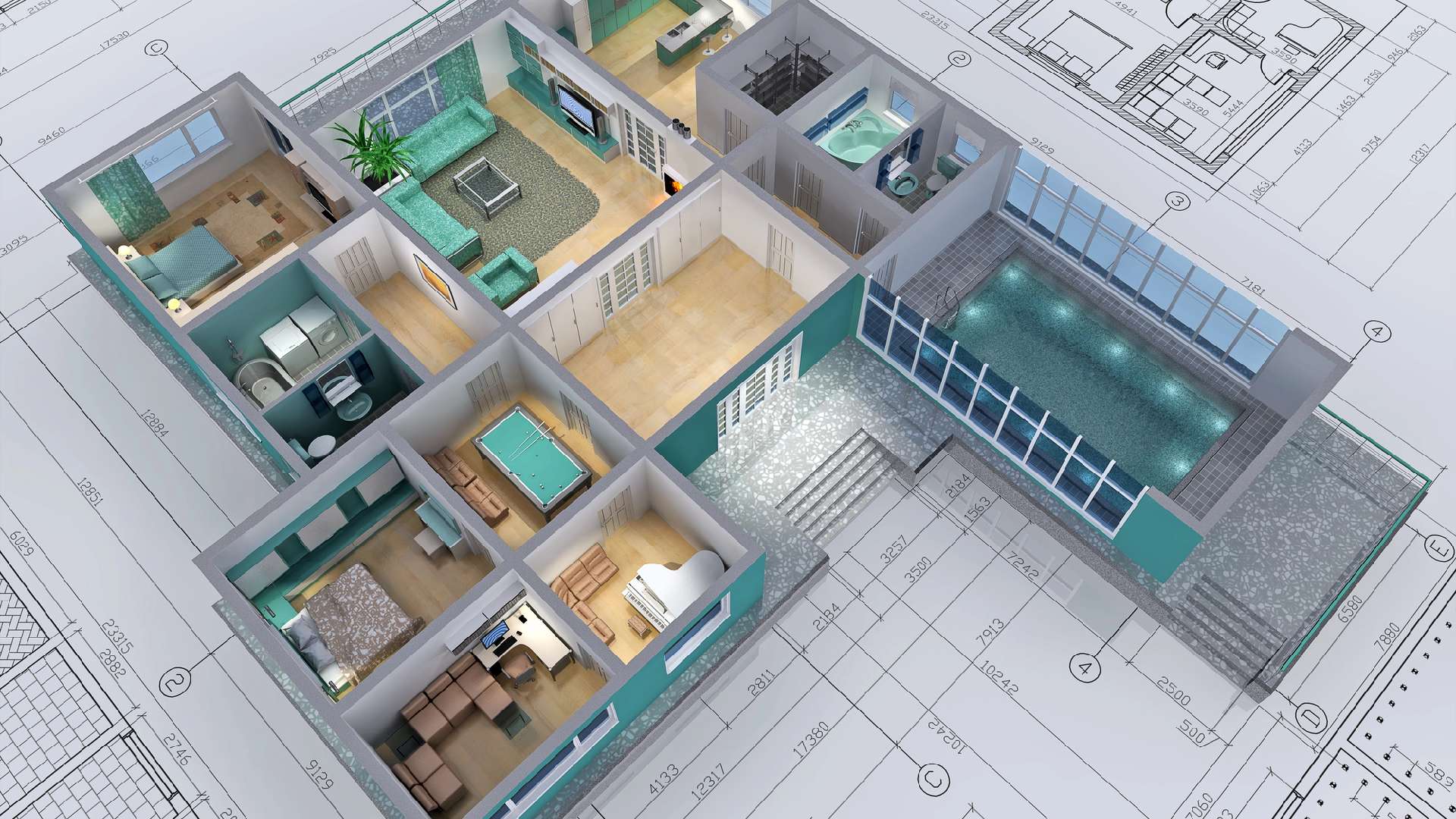
The phrase sounds straightforward, but it gets used loosely. Permit ready remodel plans are not just concept sketches with dimensions. They are coordinated drawing sets prepared with enough detail to move through permitting and support construction with fewer surprises.
That usually means the plans account for existing conditions, proposed layout changes, structural implications, code-related requirements, and the practical realities of how the work will be built. Depending on the project, that can include demolition plans, floor plans, elevations, sections, electrical layouts, lighting intent, window and door schedules, and notes that clarify materials or assemblies. If engineering is required, it should not be treated like an afterthought.
The difference matters because cities do not review projects based on style alone. They review for safety, code compliance, zoning, energy requirements, and structural soundness. A beautiful rendering can help you visualize the end result, but it will not answer plan check comments.
Why permit ready remodel plans save time later
Homeowners sometimes assume speed comes from getting drawings done fast. In practice, speed comes from getting the right level of detail before submitting. That is a very different thing.
When plans are underdeveloped, the project often enters a loop. The city asks for clarification. The designer revises. Engineering gets pulled in late. Scope changes because something was not accounted for. The contractor updates pricing because the drawings no longer match the original assumptions. Weeks disappear this way.
Well-prepared permit ready remodel plans reduce those loops. They create a cleaner handoff between design, permitting, and construction. They also make it easier to compare pricing fairly, because bidders are looking at the same scope instead of filling in blanks differently.
That does not mean every delay disappears. Some jurisdictions are simply slower than others, and some homes present hidden conditions no plan can fully predict. But strong planning gives you a better chance of solving issues early, when changes are still made with a mouse instead of a saw.
The real cost of incomplete drawings
The most obvious risk is permit delay, but that is only part of the picture. Incomplete drawings can also create budget drift.
If cabinetry dimensions are vague, your kitchen pricing may be little more than a placeholder. If lighting locations are not developed, electrical scope may grow after walls open. If structural changes are implied but not coordinated, steel or framing costs can arrive late and hit harder. The problem is not just that these items cost money. It is that they cost money after you thought decisions were already made.
For Bay Area homeowners, where remodeling budgets are already significant and municipal review can be exacting, that uncertainty gets expensive fast. Older housing stock adds another layer. Remodels in Santa Clara, San Mateo, and Alameda counties often involve homes that were built long before current expectations for seismic safety, energy compliance, and modern living patterns. Plans need to bridge that gap carefully.
What should be resolved before plans go to permit?
A strong pre-construction process does not chase perfection, but it should settle the major decisions that shape approval and pricing. Layout, room function, window and door changes, plumbing moves, appliance strategy, and structural impacts should be clear. So should the overall design direction.
This is where design-build teams often create a better homeowner experience than disconnected consultants. When design, permitting, and construction thinking happen together, the plan set is more likely to reflect real-world execution. A dramatic ceiling detail may still be worth pursuing, but someone should already be asking what it means for framing, lighting, schedule, and cost.
That collaborative pressure test is healthy. It protects both creativity and budget discipline.
Design intent needs construction logic
A remodel should feel personal, elevated, and tailored to the way you live. But design intent has to survive contact with code and construction. Open shelving near a cooktop, oversized glass in a wet area, or a reworked floor plan that affects egress may all require refinement.
The right planning team does not flatten the design to make life easier. It refines the design so it can actually be built well.
Engineering should enter early when needed
If your project removes walls, expands the footprint, adds square footage, reconfigures rooflines, or converts a garage, engineering coordination is not a box to check at the end. It should be integrated early enough to shape the plan, not just stamp it.
That early input can prevent major redraws and can also sharpen pricing. If beams, hold-downs, shear walls, or foundation work are likely, you want that knowledge before construction numbers are treated as final.
How homeowners can tell if plans are truly permit ready
You do not need to read plans like a contractor to ask smart questions. In fact, asking them early is one of the best ways to protect your investment.
Ask whether the drawings reflect existing site conditions or only assumptions. Ask what level of finish selection is expected before permit submission. Ask whether engineering, Title 24, and other required documentation are being coordinated as part of one process or left to separate parties. Ask who is responsible for responding to plan check comments and how revisions are managed.
You should also ask a more practical question: can this set of plans support accurate construction pricing, or is pricing still based on allowances and broad assumptions? There is always some range in remodeling, especially before walls are opened, but a mature plan set should reduce guesswork rather than preserve it.
If answers feel vague, that is worth paying attention to.
Permit ready does not mean overdesigned
There is a balance here. Some projects do get bogged down in excessive documentation before the real drivers are decided. Homeowners can spend weeks discussing minor finish details while still changing major layout choices. That is not efficient either.
The goal is not paperwork for its own sake. The goal is clarity where clarity changes cost, timing, quality, and permit success. A powder room refresh does not need the same level of planning as a second-story addition or ADU. Scope should guide process.
That is why good remodel planning always includes judgment. The right team knows when to push details further and when to keep the process moving.
Why this matters beyond the permit counter
Permit approval is a milestone, not the finish line. The real value of permit ready remodel plans shows up once construction starts.
Crews work better when they are not interpreting missing information in the field. Project managers can sequence trades more confidently. Material orders happen with fewer corrections. Homeowners get clearer communication because there is a documented roadmap behind the conversations.
Just as important, trust stays stronger. Remodeling asks a lot from homeowners. You are making design decisions, financial decisions, and daily-life compromises all at once. When the planning process is disciplined and transparent, the project feels less like a gamble and more like a guided transformation.
For a firm like Clever Design & Remodeling, that is the point of pre-construction. Not to slow momentum, but to protect it. The plans should reflect both ambition and accountability – a design-forward vision backed by the detail needed to carry it into the field with integrity.
Permit ready remodel plans are a form of risk management
That may not sound glamorous, but it is one of the smartest ways to think about them. The right plans reduce the risk of permit comments, mismatched bids, unclear scope, and expensive field improvisation. They also improve the homeowner experience by replacing avoidable ambiguity with informed decisions.
Every remodel still involves trade-offs. You may decide to simplify a structural move to preserve budget. You may choose to pause a custom detail if it adds too much lead time. Those are normal decisions. What matters is making them early, with good information, instead of making them late under pressure.
If you are preparing for a remodel, look closely at what is happening before the permit submission. That stage rarely gets the same attention as finishes or before-and-after photos, yet it has more influence on schedule, cost control, and construction quality than most homeowners realize. Thoughtful plans create room for beautiful results. They also create something just as valuable – a calmer path to getting there.