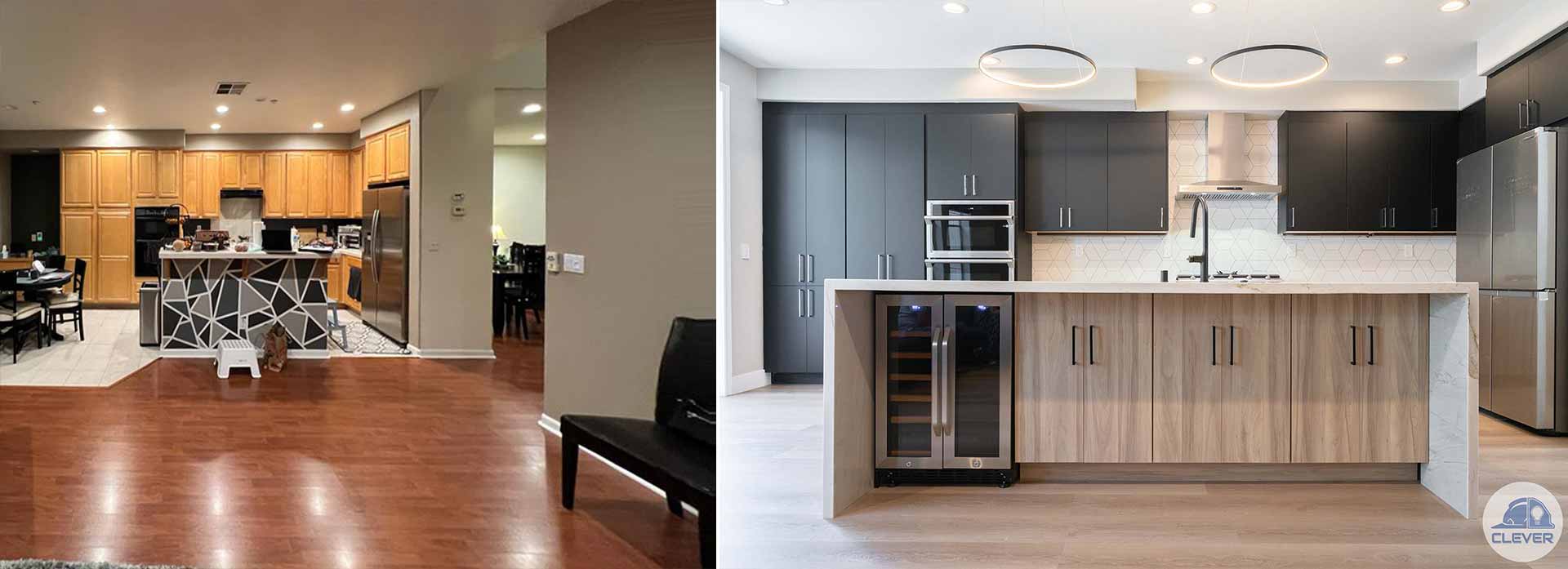

That wall between the kitchen and living room can look unnecessary right up until someone opens it and discovers it is carrying half the house. Open concept kitchen structural considerations are where great design and responsible construction have to meet. If you want a brighter, more connected home, the real question is not simply whether a wall can come down. It is what that change requires from the structure, the systems inside the wall, and the finished space you will live in every day.
For many Bay Area homeowners, the appeal is obvious. Older homes often have compartmentalized layouts that feel smaller than their actual square footage. Opening the kitchen can improve sightlines, natural light, family flow, and resale appeal. But the homes in this region also come with quirks – aging framing, past remodels, sloped floors, seismic requirements, and utility routing that rarely follows a clean diagram. That is why the smartest open-concept remodels start with engineering discipline, not demolition.
Why open concept kitchen structural considerations come first
A wall is never just a wall until it is verified. Some partitions are non-load-bearing and can be removed with relatively modest changes. Others support roof loads, a second story, or a point load from above. In certain homes, what looks like a short wall section is doing very serious work.
The first step is determining how the home carries weight from the roof and upper floors down to the foundation. That means reviewing original plans if available, examining framing in the crawl space or basement, checking attic direction and joist spans, and understanding whether previous remodels changed the load path. In many remodels, the structural answer is not visible from the finished kitchen alone.
This matters because removing a load-bearing wall usually does not mean eliminating support. It means replacing that support with a beam and transferring loads to posts and foundations capable of handling the change. That can be elegant and design-forward when planned correctly. It can also become expensive quickly if the beam needs hidden steel, enlarged footings, or foundation reinforcement.
What happens when a load-bearing wall comes out
When homeowners picture an open kitchen, they often imagine one clean move: remove wall, gain space. Structurally, it is usually a chain reaction. The wall may be replaced with a flush beam concealed in the ceiling or a dropped beam below the ceiling plane. Posts may need to be built into nearby walls or expressed as architectural features. Loads from those posts may require new concrete footings below.
A flush beam usually delivers the cleaner look. It also tends to be more invasive because ceiling framing above has to be reworked to fit the new beam. A dropped beam can be more efficient from a construction standpoint, but it becomes part of the visual composition. Neither choice is automatically better. It depends on ceiling depth, span length, budget, and the overall design language of the home.
In two-story homes, the complexity increases. The removed wall may support not only the floor above but also walls or roof framing beyond it. In homes with long spans, engineered lumber may not be enough and steel may be the right solution. Steel can create impressive openings, but it introduces coordination around fabrication, delivery, lifting, fire protection requirements in some conditions, and precise installation.
Structural design is only one part of the wall
One of the most common surprises in kitchen remodels is that the wall you want gone is also a highway for electrical lines, plumbing vents, drain lines, gas piping, or HVAC runs. Open concept kitchen structural considerations should always include MEP coordination – mechanical, electrical, and plumbing – because those systems often drive both timeline and cost.
A kitchen wall may contain dedicated appliance circuits, switches, outlet runs, venting, or plumbing stacks from an upstairs bathroom. Relocating those systems is possible, but it affects cabinets, ceiling details, flooring patches, and inspection requirements. If the wall carries a sink drain or vent stack, the redesign may ripple further than expected.
This is where a design-build process creates real value. Structural engineering, layout planning, and permit-ready drawings should inform one another early, before finishes are selected and before assumptions get baked into the budget. It is far better to know at the design stage that a beam will drop 10 inches or that a plumbing vent must move than to discover it mid-construction.
The foundation and seismic piece many homeowners miss
In California, opening a floor plan is not only about vertical loads. Lateral strength matters too. Some walls help the house resist movement from wind or seismic activity. Remove the wrong wall without replacing that bracing strategy, and you have created a structural problem even if the beam above is strong enough.
That is especially relevant in older housing stock across Santa Clara County, San Mateo County, and Alameda County, where homes may have been built before current seismic standards. A remodel is often the moment when hidden vulnerabilities come into focus. Depending on the scope, engineers may recommend hold-downs, shear walls, collector elements, or foundation anchoring to keep the home performing properly.
This is not bad news. It is an opportunity to improve the house while you are already investing in it. Homeowners who approach remodeling with long-term thinking usually appreciate this part of the process. Structural upgrades are not the glamorous side of a kitchen reveal, but they protect both the home and the investment behind it.
Design trade-offs that affect structural decisions
The most successful open kitchens are not just wider. They are better composed. Structural planning should support how the room feels, how the island works, where lighting lands, and whether the ceiling still reads as intentional.
For example, a large uninterrupted opening sounds ideal, but there are times when leaving a partial post or short return wall creates a stronger design. It can help define zones, conceal utilities, support cabinetry, or reduce beam size. In other homes, preserving a ceiling break can make an added beam feel integrated rather than intrusive.
There is also the acoustic and lifestyle trade-off. Open kitchens improve connection, but they also spread sound, cooking activity, and visual clutter. Families who entertain often love the openness. Homeowners who work from home or prefer more separation may want a hybrid approach with a wider opening, interior glass, or a layout that keeps function open without making every room part of the kitchen.
A thoughtful remodel does not chase openness for its own sake. It aligns structural interventions with the way you actually live.
Budget reality: where costs usually come from
Structural work is one of the biggest variables in an open kitchen budget because the visible change can trigger invisible construction. Costs commonly rise when the project requires engineered beams, steel fabrication, temporary shoring, foundation work, utility relocation, ceiling reframing, flooring repair, and permit coordination.
Temporary support during construction is another detail homeowners rarely see coming. Before a structural wall is removed, the loads it carries have to be supported safely with temporary shoring. That step is essential, and in tighter homes it can affect logistics, access, and schedule.
Permit costs and review time also deserve attention. Structural modifications generally require plans, engineering, and inspections. In some jurisdictions, review can be straightforward. In others, corrections and resubmittals are part of the process. A realistic pre-construction phase protects the build from unnecessary surprises later.
How to evaluate your home before committing
If you are considering this kind of remodel, start with feasibility rather than inspiration photos. A good early assessment looks at framing conditions, wall location, attic and crawl space access, utility conflicts, and the relationship between the kitchen, dining, and living areas. It should also examine whether the resulting layout actually improves circulation and storage.
That last point matters. Some homeowners remove a wall and then realize they lost valuable upper cabinets or a natural place for appliances. Openness has to be balanced with function. A larger sightline does not always mean a better kitchen if prep space, pantry capacity, or appliance placement suffers.
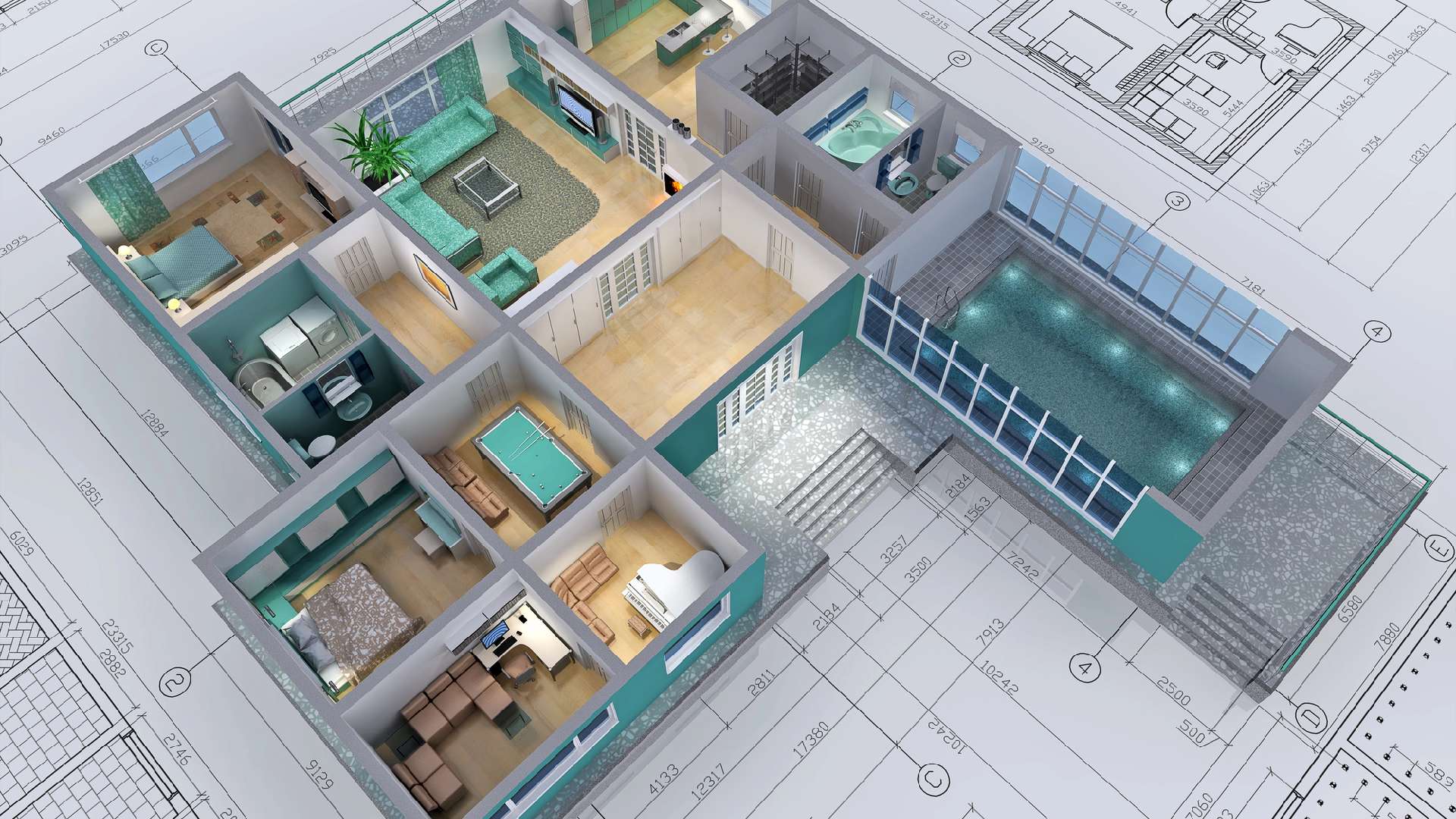
The right team will help you weigh these trade-offs upfront. Clever Design & Remodeling approaches this phase as both a design opportunity and a construction planning exercise, which is exactly how open-concept work should be handled. Good renderings help you picture the result. Good engineering and permit preparation make sure the picture can be built responsibly.
A better question than can we remove the wall
The best remodeling conversations usually begin when homeowners shift from asking, Can we remove this wall, to asking, What is the best way to open this space? Sometimes the answer is a full-span beam. Sometimes it is a selective opening with better proportions, lower cost, and fewer structural consequences. Sometimes the smartest move is reworking the kitchen layout while leaving core structure in place.
That is the value of an experienced, transparent process. You deserve to understand not just what is possible, but what is wise for your home, budget, and long-term goals. When structural planning is handled with care, an open kitchen can feel effortless. The work behind it rarely is, and that is exactly why it should be done with intention.