
A backyard ADU can become a quiet home office, a comfortable suite for aging parents, or a high-quality rental that adds long-term value to your property. But the modular ADU versus custom build decision shapes far more than the look of the finished space. It affects your design options, site preparation, permitting path, budget structure, and how well the new home fits the character of your property.
For Bay Area homeowners, there is rarely a one-size-fits-all answer. A modular unit can be an efficient choice on the right lot. A custom ADU can be the better investment when architecture, access, slope, or family needs demand a more tailored solution. The best choice begins with an honest assessment of what your site and goals require.
What Defines a Modular ADU?
A modular ADU is built largely off-site in a factory-controlled setting, then delivered to the property in one or more sections. The modules are set on a completed foundation, connected to utilities, and finished on-site. This approach differs from a fully site-built ADU, where framing, systems, finishes, and construction are completed at the property from the ground up.
The appeal is clear. Factory production can reduce weather-related delays and create a more predictable manufacturing schedule. Many modular providers also offer established floor plans, finish packages, and pricing frameworks that help homeowners make early decisions with greater clarity.
That said, “modular” does not mean installation is simple or instant. The site still needs to be surveyed, engineered, permitted, excavated, and prepared for foundations, drainage, utility connections, and delivery equipment. A modular ADU is still a permanent residence subject to local building standards, inspections, and site-specific requirements.
What a Custom-Built ADU Makes Possible
A custom ADU is designed around the property rather than selected from a predetermined catalog. This allows the architecture, layout, exterior materials, and interior experience to respond directly to the main home and the people who will use the space.
For a narrow side yard, a sloped lot, or a property with mature trees and limited access, custom design can solve challenges that make standard module dimensions impractical. It also gives homeowners more freedom to shape the plan around daily life. You might prioritize a fully accessible bathroom, a generous kitchen for a long-term tenant, a private entry for multigenerational living, or a compact studio that feels bright and intentional rather than merely small.
A custom build also creates stronger opportunities for architectural continuity. Rooflines, window proportions, siding, landscaping, and indoor-outdoor connections can be designed as part of one cohesive property. For homeowners who care deeply about an elegant aesthetic and future resale value, that level of integration can matter.
Modular ADU Versus Custom Build: The Real Trade-Offs
The central trade-off is not speed versus quality. Both approaches can produce a durable, beautiful ADU when they are properly designed, engineered, and built. The more meaningful comparison is standardization versus flexibility.
Modular construction works best when a provider’s available plans closely match your needs, the lot allows straightforward delivery and crane access, and you are comfortable making design decisions within a defined system. It can offer useful schedule certainty for the factory-built portion of the project, especially when site work and manufacturing are coordinated early.
Custom construction is often better suited to homeowners who want to push the plan beyond standard dimensions or who have a complicated site. It requires more decisions during design, but that effort can prevent expensive compromises later. A well-developed custom plan accounts for utility routes, privacy, daylight, drainage, storage, exterior circulation, and the relationship between the ADU and primary home before construction begins.
Neither option should be chosen based on an advertised starting price alone. The price of the unit is only one part of the project.
Site Work Can Change the Budget for Either Option
A polished modular unit can appear to have a simple, fixed cost. Yet the property work around it can vary dramatically from one site to the next. Foundation design, trenching, electrical service upgrades, sewer or water connections, retaining walls, soil conditions, fire access, and crane logistics can materially affect the final investment.
The same is true for custom construction. The difference is that a design-build process can incorporate these conditions into the early planning and estimating phase, rather than treating them as surprises once work is underway.
This is especially relevant across Santa Clara, San Mateo, and Alameda counties, where hillside lots, older utility infrastructure, restricted access, and varied jurisdictional requirements are common. A site visit should address practical questions early: Can a truck and crane reach the backyard? Is there overhead wiring? Will the ADU require significant grading? Where will new utility lines run? Is there enough electrical capacity for the intended use?
When those answers are known before a contract is finalized, homeowners can make decisions from a position of confidence rather than reacting to change orders.
Permitting Is Still a Design Exercise
California’s ADU laws have expanded opportunities for homeowners, but each local jurisdiction still reviews plans for code compliance and site conditions. Whether the unit is modular or custom, permit readiness requires coordinated documentation. That can include architectural plans, structural engineering, energy compliance, Title 24 requirements, survey information, utility plans, and details for foundation and site improvements.
With modular construction, the unit itself may arrive with a substantial body of approved technical documentation. However, the local jurisdiction must still evaluate the project’s placement, foundation, connections, setbacks, drainage, and site work. If the unit is not carefully matched to the property at the outset, the perceived efficiency of modular construction can be reduced by redesign or logistical complications.
With a custom ADU, the plans are created specifically for local review and the conditions of your property. The process may take more upfront design coordination, but it can create a cleaner path through approvals when the site is unusual or the homeowner has distinct design priorities.
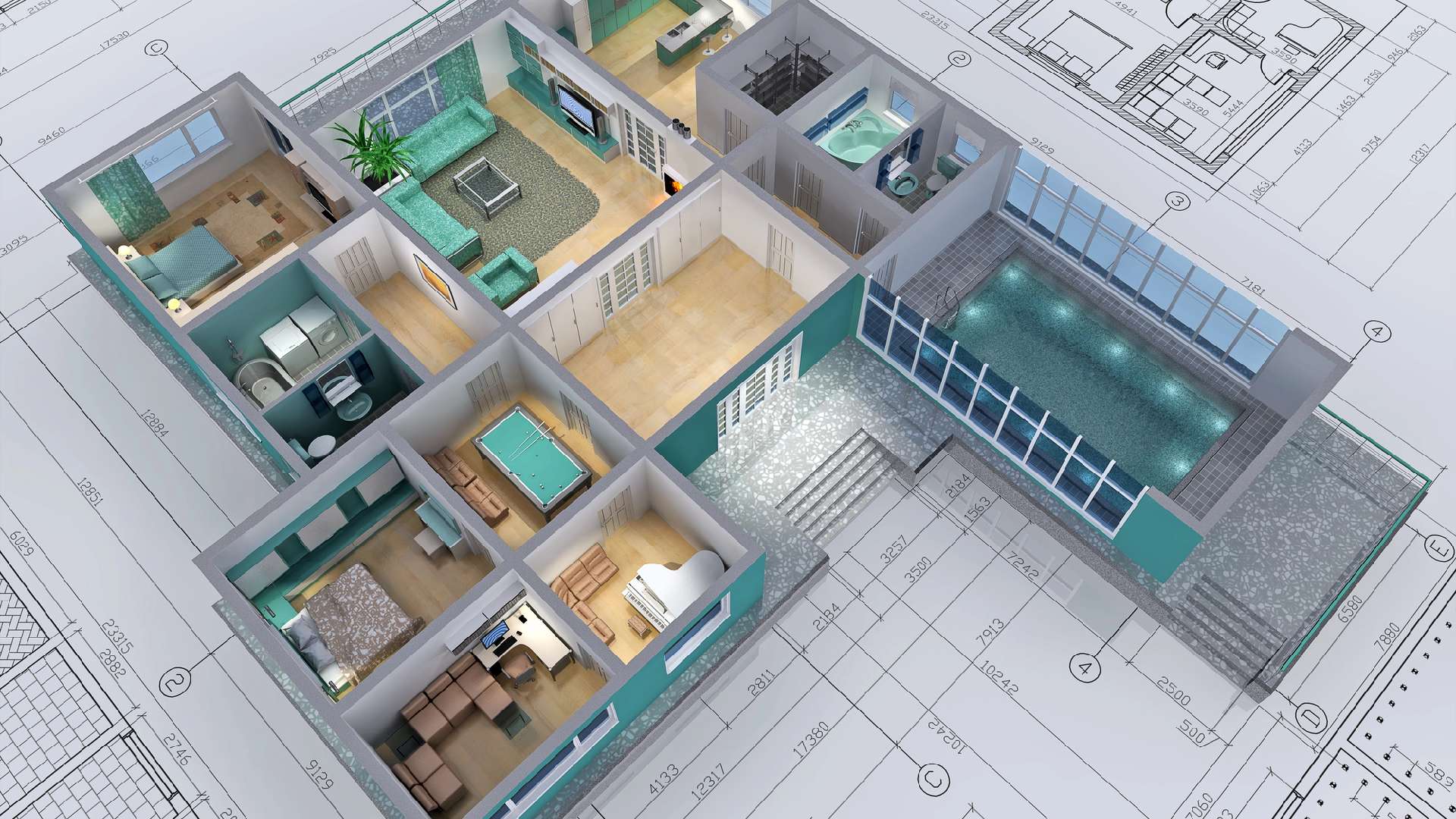
The strongest projects begin with permit-ready drawings, not assumptions. Three-dimensional renderings can also help homeowners understand scale, sightlines, and material choices before construction begins, making it easier to align the finished ADU with the vision they have for their home.
Design Freedom Has Practical Value
The best ADUs feel complete, not downsized. That requires careful planning around circulation, storage, natural light, acoustics, and privacy. In a compact footprint, every decision carries more weight.
A modular plan may offer several attractive layouts, but it can be limiting if you need to relocate plumbing, enlarge an opening, adjust ceiling heights, or change the relationship between rooms. Some modifications are possible, but each manufacturer has its own limits. Before choosing a model, confirm what is truly customizable and what is fixed by the production system.
A custom ADU gives you control over those details from the beginning. A built-in desk can turn a bedroom into a flexible work suite. Clerestory windows can bring in daylight without exposing the interior to neighboring views. A covered patio can extend a small living area into the landscape. These are not decorative extras. They influence how comfortably the ADU performs for a tenant, a family member, or a homeowner using the space every day.
Schedule Depends on Coordination, Not Just Construction Method
Modular projects can shorten the on-site construction period because the unit is produced while foundations and utilities are being prepared. But the overall project schedule still depends on design, permit review, factory availability, site readiness, shipping, weather, inspections, and final utility connections.
Custom ADUs generally have a longer on-site build sequence, yet a disciplined pre-construction process can protect the schedule. Detailed selections, engineering coordination, and clear scopes of work reduce the decisions that can stall a project once crews are mobilized.
Homeowners should ask for a complete schedule that begins with design and permitting, not only the day construction starts. A transparent schedule identifies dependencies and gives you a realistic understanding of where flexibility may be needed.
How to Choose the Right Path
A modular ADU may be the right fit if your lot has easy delivery access, your needs align with an available floor plan, and you value a standardized production process. It can be a compelling option for a straightforward rental or guest suite where efficiency is a primary goal.
A custom-built ADU may be the stronger choice if you have a constrained or sloped site, want the structure to complement an existing home, need specialized accessibility or layout features, or see the ADU as a lasting part of a larger property transformation. It is also well suited to homeowners who want a collaborative design process and a single accountable team managing the project from initial concept through final construction.
Before committing to either path, compare complete project scopes rather than headline prices. Ask what is included in design, engineering, permitting, foundation work, utilities, delivery, site restoration, finishes, and project management. A lower initial figure has little value if essential work appears later as an added cost.
An ADU is a meaningful investment in the way your property serves your life. Choose the construction method that gives the home the right balance of practicality, beauty, and long-term purpose – then give the planning phase the attention that investment deserves.