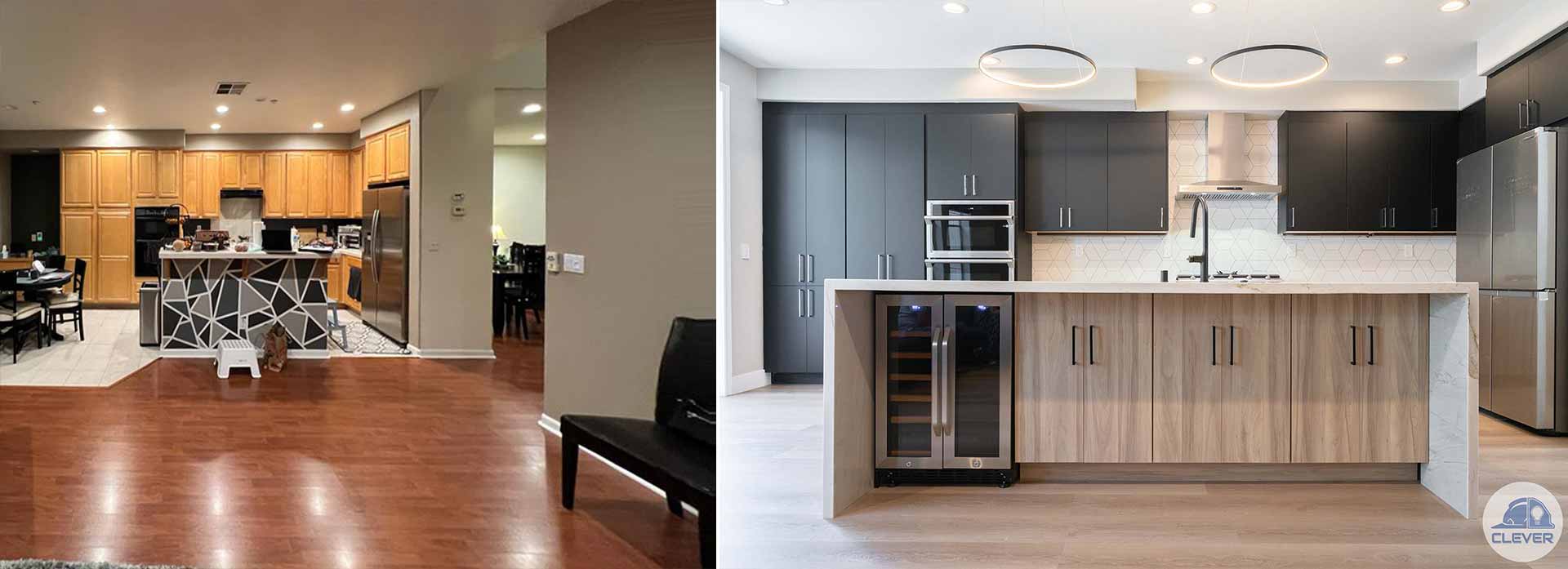

A beautiful remodel can hide a messy process. Homeowners usually see the finished kitchen, the refined bathroom, the light-filled addition. What they do not always see is the risk behind the walls – permit mistakes, uninsured crews, incomplete subcontractor payments, and projects that drift because no one is truly accountable. That is why hiring a licensed bonded insured general contractor is not a box to check. It is one of the clearest signals that your project is being handled with real professional responsibility.
For homeowners planning a significant investment, credentials matter because they affect far more than legality. They shape how your contractor manages permits, protects your property, coordinates trades, communicates with you, and responds when something does not go according to plan. In a design-build remodel, where creative vision and disciplined execution must work together, that foundation of trust is what keeps the project moving with clarity.
What licensed bonded insured general contractor actually means
These words are often grouped together, but they do not mean the same thing.
Licensed means the contractor has met state requirements to legally perform contracting work. That usually includes testing, registration, and ongoing compliance. A license is the baseline that tells you the company is recognized to do the work it is offering.
Bonded refers to a financial safeguard tied to the contractor’s obligations. A bond is not the same as insurance. It is meant to provide a layer of protection if the contractor fails to meet certain legal or contractual responsibilities. It does not cover every possible dispute, but it does show the contractor has met another level of qualification and accountability.
Insured means the company carries policies designed to protect against specific risks, such as property damage, jobsite accidents, or liability claims. Depending on the project and business structure, that may include general liability insurance and workers’ compensation coverage. For a homeowner, this matters because construction is physical, complex work. Problems are not common when a project is run well, but they are possible on any jobsite.
Together, these credentials do not guarantee a perfect experience. They do something more realistic and more valuable – they create a professional framework around your remodel.
Why these credentials matter in a real remodel
A contractor can have a polished portfolio and still create avoidable risk. That is the part many homeowners learn too late. Credentials are not just administrative details. They affect the daily mechanics of your project.
A licensed contractor is more likely to understand the rules governing structural changes, electrical work, plumbing upgrades, and permit pathways. That becomes especially important in older homes, where existing conditions are rarely simple. In many Bay Area properties, renovation work uncovers outdated systems, prior unpermitted modifications, or framing conditions that require quick but informed decisions. A properly licensed general contractor is better positioned to navigate those moments without guessing.
Bonding matters in a quieter way. It signals that the contractor has taken steps to operate as a legitimate, accountable business. Homeowners often focus on finishes and pricing, but financial discipline behind the scenes matters too. When a firm is organized, credentialed, and process-driven, there is a better chance your project will be managed with the same discipline in scheduling, vendor coordination, and subcontractor oversight.
Insurance is the protection most people understand only after something goes wrong. If a worker is injured or property is damaged, uninsured or underinsured contractors can leave homeowners exposed to unnecessary complications. That exposure can be financial, legal, and emotional. Remodeling already asks a lot from the household. You do not want to add avoidable liability to the experience.
A licensed bonded insured general contractor is not enough by itself
Credentials matter, but they should not be confused with excellence. A contractor can be properly licensed, bonded, and insured and still be poor at communication, vague about pricing, or inconsistent in execution.
That is where the rest of the evaluation comes in. Homeowners should look at whether the contractor has a clear process, realistic timelines, documented scope, and a style of communication that fits the complexity of the project. If you are remodeling a kitchen, adding an ADU, or reworking a full home, you need more than legal compliance. You need project leadership.
This is especially true when design and construction overlap. A contractor who can help shape layouts, review feasibility early, coordinate engineering, and prepare for permits before demolition begins will usually deliver a more stable experience than one who simply prices plans after the fact. The first approach reduces surprises. The second can leave homeowners solving problems in the middle of construction, when changes are more expensive.
How to verify a contractor without making it awkward
Good contractors expect questions about credentials. Serious firms welcome them.
Ask for the contractor’s license number and verify it through the state. Ask whether their bond is current. Ask for proof of insurance and confirm the coverage is active. If subcontractors will be involved, ask how they are managed and whether the contractor carries the proper protections for labor on site.
You can also ask practical follow-up questions that reveal how the business operates. Who pulls permits? Who manages inspections? Who is your point of contact during construction? How are change orders documented? How are payment schedules structured? These questions move the conversation from credentials on paper to accountability in practice.
A strong contractor will answer directly, without defensiveness or vague language. That confidence usually comes from having a repeatable process and a team that is used to working transparently.
Why homeowners should care about process as much as protection
The safest remodel is usually the one that was planned well from the beginning. Credentials protect the project. Process protects the experience.
When design development, budgeting, and pre-construction are handled carefully, fewer decisions are made in crisis mode. Materials are selected earlier. Engineering and permit considerations are addressed before work starts. Expectations are set in writing. That does not eliminate change, because remodeling always includes some unknowns, but it improves the quality of decision-making when those unknowns appear.
For homeowners investing in high-value renovations, this matters just as much as the contractor’s legal status. A thoughtful process supports budget discipline, schedule clarity, and better design outcomes. It also creates a more collaborative relationship, where homeowners are informed participants rather than anxious spectators.
That is one reason design-build firms often appeal to clients who want both creativity and control. When the same team is thinking about aesthetics, feasibility, materials, sequencing, and permits, the project has fewer disconnects. Credentials establish trust. Process builds on it.
Red flags that should make you pause
A contractor who avoids sharing license or insurance information is an obvious concern, but some red flags are subtler.
Be careful with unusually low bids that seem disconnected from the scope. Sometimes the gap is efficiency. More often, it reflects omissions, weak planning, or a strategy of making up the difference later through change orders. If a proposal is thin, vague, or rushed, the problem is rarely just the paperwork.
Watch for loose language around permits. If the contractor suggests skipping them when the work clearly requires approval, that is not flexibility. It is a warning sign. The same goes for unclear payment structures, poor responsiveness before the contract is signed, or resistance to documenting selections and scope.
In residential remodeling, small communication issues early often become bigger execution issues later. Homeowners should trust both the credentials and the working relationship.
What the right contractor feels like
The right contractor does not simply reassure you by saying they are licensed, bonded, and insured. They show you what that professionalism looks like in action.
It looks like upfront communication about budget ranges, project constraints, and realistic timelines. It looks like a design conversation that balances aspiration with buildability. It looks like organized documentation, permit readiness, and a clear path from concept to finished project. And it feels collaborative rather than opaque.
For many homeowners, that combination is what turns remodeling from a stressful transaction into a well-managed transformation. At Clever Design & Remodeling, that standard is not about making big promises. It is about protecting the integrity of the process while creating spaces that feel elevated, personal, and built to last.
A licensed bonded insured general contractor gives you a better starting point. The real goal is to find one who pairs those protections with craftsmanship, structure, and the kind of transparent support that makes you feel confident handing over the keys.