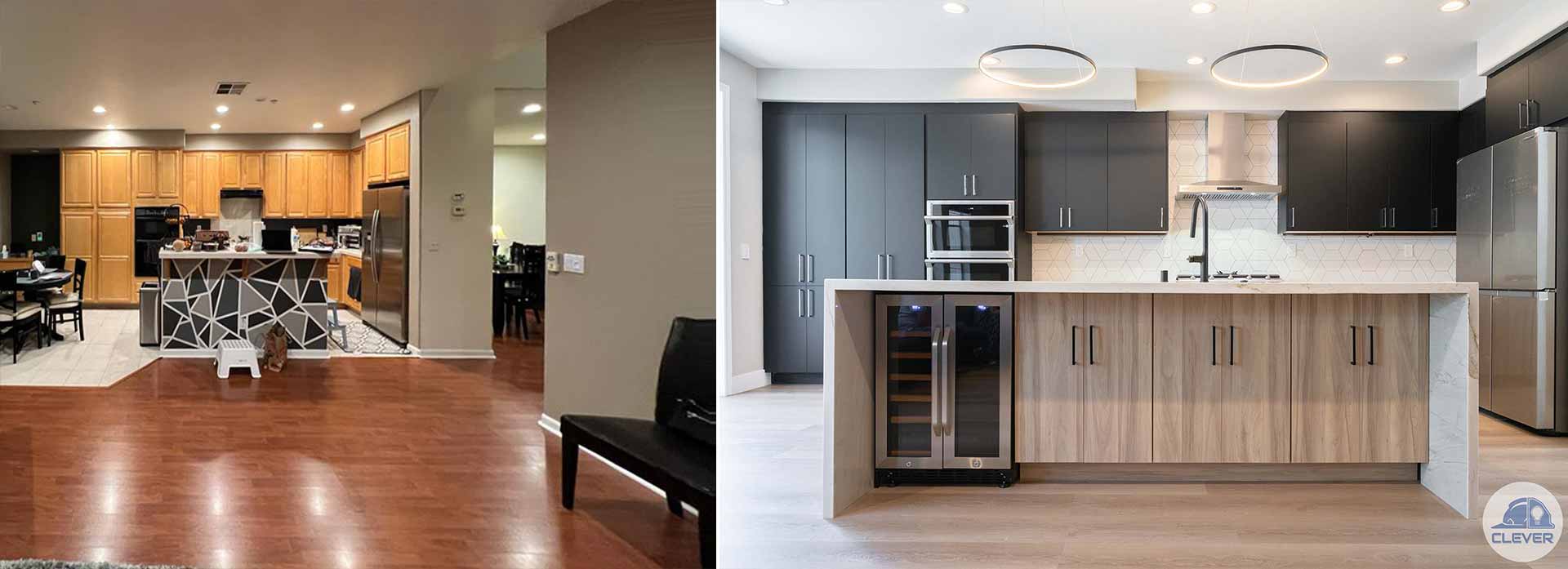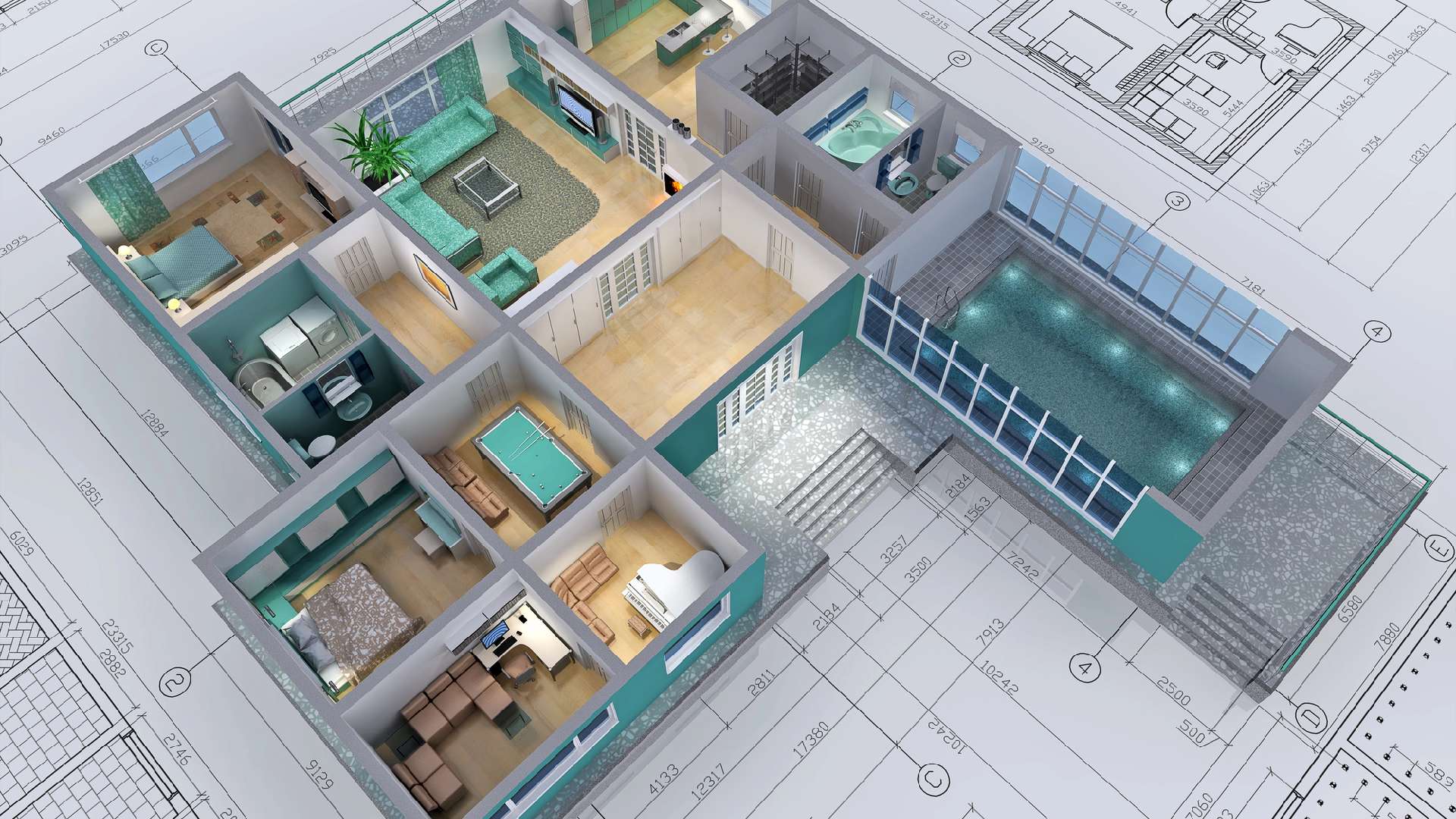

If you’re asking how much does an adu cost bay area homeowners actually pay, the honest answer is usually more nuanced than the internet’s neat averages. In this market, land values are high, labor is expensive, permit paths vary by city, and design expectations tend to be elevated. A backyard cottage in San Jose does not price the same way as a garage conversion in Oakland or a detached ADU in San Mateo with premium finishes and hillside access.
That is why the most useful way to look at cost is by project type, scope, and the level of pre-construction planning behind it. A well-designed ADU can create flexible living space, support multigenerational needs, and add long-term property value. But it also requires disciplined budgeting from day one.
How much does an ADU cost Bay Area homeowners should expect?
For most Bay Area projects, a realistic all-in budget often falls somewhere between $180,000 and $450,000+, depending on whether the ADU is a conversion, an attached unit, or a fully detached new structure. Smaller and simpler projects can come in below that range, while complex sites, larger footprints, and high-end specifications can move well above it.
A garage conversion is often the lowest entry point because part of the structure already exists. Many homeowners see budgets in the rough range of $180,000 to $280,000, especially if utilities are accessible and the existing slab, framing, and roof structure are in usable condition. The moment you need major structural correction, foundation work, sewer upgrades, or full utility relocation, that number can climb quickly.
An attached ADU usually lands in a middle range, often around $220,000 to $350,000+. These projects benefit from some shared building systems, but they still require careful integration with the main home. Matching rooflines, exterior finishes, structural tie-ins, and fire separation details can all affect the final number.
Detached ADUs are generally the most expensive on a per-project basis. It is common to see budgets from $275,000 to $450,000 and beyond. A detached unit is essentially a new home in your backyard, complete with foundation, framing, roofing, insulation, mechanical systems, kitchen, bathroom, and utility connections. If you want strong architecture, thoughtful indoor-outdoor flow, and finish selections that feel aligned with the primary residence, the budget should reflect that ambition.
Why Bay Area ADU pricing runs higher
The Bay Area is not a generic construction market. Cities across San Francisco, Santa Clara, Alameda, and San Mateo counties each have their own planning context, utility requirements, and review culture. Even when state ADU laws have simplified some approvals, local interpretation still matters.
Labor pricing is one major driver. Skilled trades here command higher rates, and experienced design-build teams are pricing not just production but coordination, accountability, and schedule management. Material costs also trend higher when homeowners are investing in durable windows, refined cabinetry, better insulation, and finishes that do not look like an afterthought next to a valuable main residence.
Then there is the hidden complexity of existing properties. Older homes often bring aging sewer lines, undersized electrical panels, drainage issues, or undocumented previous work. Those conditions do not always show up in online calculators, but they show up in real construction budgets.
The biggest factors that shape ADU cost
Square footage matters, but not in the simplistic way many people expect. A 400-square-foot ADU is not half the cost of an 800-square-foot ADU because the kitchen, bathroom, permitting, and utility infrastructure still carry a substantial base cost. Small units can actually be expensive on a cost-per-square-foot basis.
Site conditions are often the biggest swing factor. A flat lot with easy backyard access is very different from a narrow urban parcel where materials must be carried through the side yard, or a sloped site that needs retaining, grading, and drainage work. If there is limited access for excavation equipment or concrete delivery, labor goes up.
Utility connections can reshape a budget fast. Water, sewer, gas, and electrical work may involve trenching, panel upgrades, meter questions, or coordination with utility providers. In some cases, impact fees may be reduced or avoided for smaller units, but that depends on the city and the exact scope.
Design decisions also matter more than many homeowners realize. Vaulted ceilings, oversized sliders, custom built-ins, high-performance glazing, and premium appliance packages create a very different project than a straightforward rental-oriented spec. Neither approach is wrong. The right answer depends on whether your priority is rental income, family use, resale strategy, or creating a truly elevated secondary residence.
Soft costs are real costs
When homeowners ask how much does an adu cost bay area projects usually include, they sometimes think only about construction. That misses a meaningful part of the budget.
Soft costs often include architectural or design work, structural engineering, Title 24 documentation, surveying, soil reports when needed, permit fees, and other pre-construction services. Depending on the project and jurisdiction, these can represent tens of thousands of dollars before construction begins.
This is one reason a structured design-build process matters. When the design team, engineering coordination, permit preparation, and builder are aligned early, homeowners get a clearer picture of feasibility and cost before decisions become expensive to reverse. Transparent support in pre-construction protects the build phase.
Cost per square foot – useful, but incomplete
In the Bay Area, ADU construction often lands somewhere around $400 to $700+ per square foot for many completed projects, though that range can move higher for very small units, premium designs, or difficult sites. This number can be helpful for rough planning, but it should never be treated as a guaranteed budget.
Cost per square foot does not tell you whether a property needs a new sewer lateral, whether the existing garage is structurally viable, or whether your city requires additional fire safety measures. It also does not show the difference between builder-grade selections and a design-forward ADU that feels like a natural extension of the home.
For homeowners investing in Bay Area real estate, the better question is not just price per square foot. It is value per square foot. A beautifully planned ADU with efficient storage, good natural light, and durable materials will usually perform better over time than a cheaper unit that feels compromised from the start.
Where budgets commonly get derailed
The first issue is under-scoping. A homeowner may budget for the building itself but overlook demolition, utility upgrades, drainage improvements, or finish allowances that match the quality of the existing property.
The second is starting design without a clear target budget. It is easy to fall in love with a layout or aesthetic direction that is not aligned with what you want to invest. Good planning keeps vision and numbers in conversation from the beginning.
The third is selecting a team based only on the lowest initial price. A thin estimate can become an expensive project if details were not included, assumptions were not clarified, or site realities were not properly studied. Upfront communication and permit-ready planning are not luxuries. They are part of cost control.
How to budget for an ADU intelligently
Start with your purpose. If the ADU is for aging parents, your priorities may include single-level accessibility, a larger bathroom, and comfort-driven systems. If it is for rental income, you may focus on efficient footprint planning and durable finishes. If it is for resale value, curb appeal and design integration with the main home may deserve more investment.
Next, build in contingency. Even well-managed projects can uncover unknowns once construction begins, especially on older Bay Area properties. A contingency reserve of 10% to 15% is often wise.
Finally, treat pre-construction as part of the investment, not a hurdle before the real work starts. The homeowners who have the smoothest experience are usually the ones who spend time aligning design, engineering, permits, and realistic pricing before breaking ground. That is where trust gets built and costly surprises get reduced.
At Clever Design & Remodeling, we see the strongest ADU outcomes come from a collaborative process that balances creativity with disciplined execution. The goal is not just to add square footage. It is to create a space that works beautifully, respects the existing home, and makes financial sense for the long term.
If you are considering an ADU, the smartest first step is not chasing the lowest number. It is understanding what your property can support, what kind of space you truly want to build, and what level of investment will deliver a result you will still feel good about years from now.