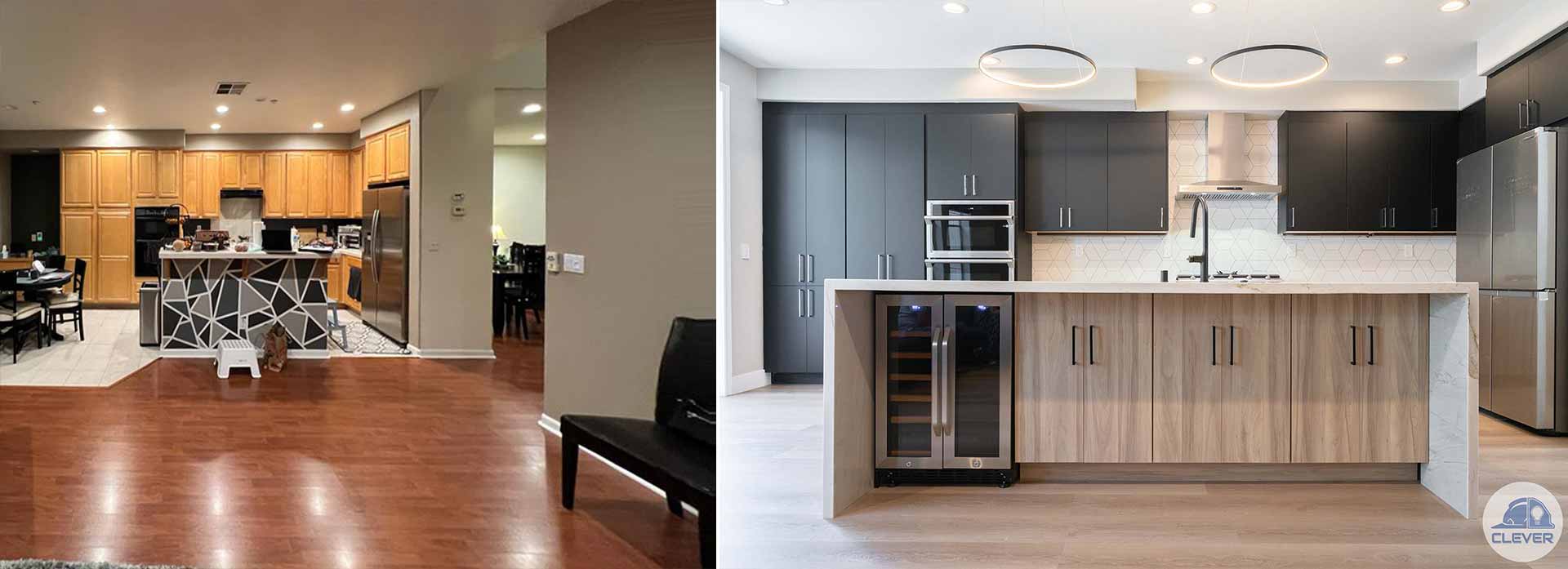

If your kitchen is dated, your bathrooms are tired, and half the house no longer fits the way you live, the question usually arrives fast: should you commit to a full remodel vs phased renovation? For Bay Area homeowners, that decision is rarely just about construction. It affects budget timing, permit strategy, daily life, design consistency, and how much value you can realistically create.
There is no universally correct answer. The right path depends on how interconnected your goals are, how much disruption your household can tolerate, and whether you want to solve problems once or spread them out over time.
Full remodel vs phased renovation: what changes between the two?
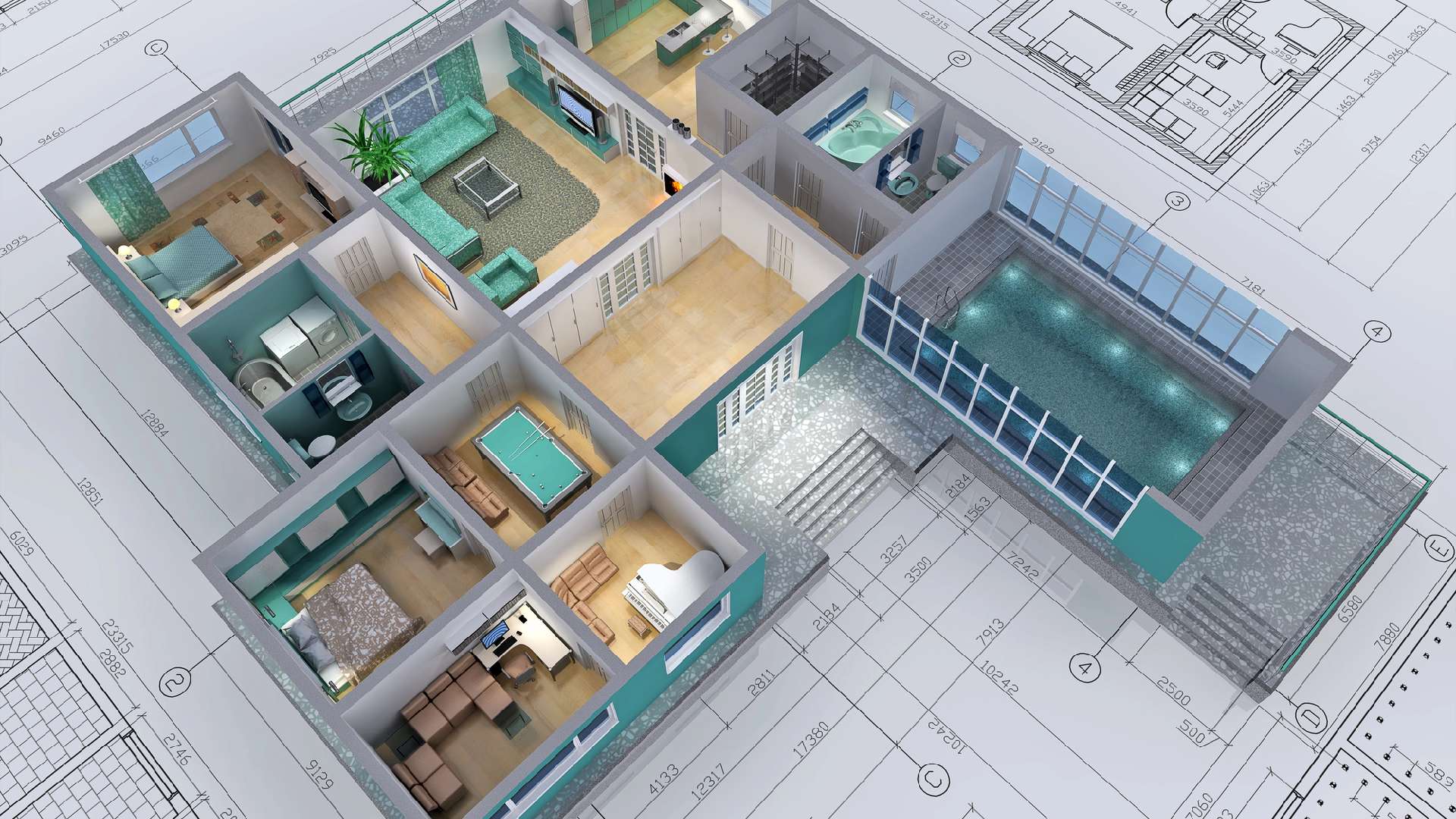
A full remodel means planning and executing multiple major improvements as one coordinated project. That might include a kitchen, several bathrooms, flooring, lighting, layout changes, new windows, upgraded systems, and finish work across most or all of the home.
A phased renovation breaks that work into separate projects completed over months or years. You might remodel the kitchen this year, update the primary bath next year, and rework living areas later when budget or timing feels right.
On paper, phased work can look more flexible. In practice, flexibility comes with trade-offs. Each phase needs its own schedule, selections, labor coordination, and often a fresh round of decision-making. A full remodel asks more of you upfront, but it can create far more control over the final result.
When a full remodel makes more sense
A full remodel is often the better choice when the home has multiple overlapping issues. If the floor plan is inefficient, finishes are inconsistent, electrical is outdated, and plumbing upgrades are coming anyway, separating the work can create duplicate costs and unnecessary disruption.
This is especially true in older homes where one decision affects another. Opening walls for a kitchen renovation may expose electrical or framing work that also impacts adjacent rooms. Replacing flooring in stages can lead to awkward transitions or mismatched materials. Updating one bathroom at a time may seem manageable, but if plumbing improvements should be addressed throughout the home, phased execution can cost more in the long run.
Design cohesion is another major advantage. A full remodel allows the entire home to be planned with one vision. Materials, sightlines, lighting temperature, trim details, and storage strategies can all be aligned before construction begins. The result feels intentional rather than pieced together over several years.
There is also the schedule factor. A larger remodel is intense, but it is concentrated. Instead of living through repeated rounds of demolition, inspections, dust control, and contractor access, you go through one managed construction period with a defined end point.
When phased renovation is the smarter move
A phased renovation can be the right call when your priorities are clear and your home remains functional in the meantime. If the kitchen works but the bathrooms are in rough shape, or if you want to finish one floor before taking on the next, phasing can protect cash flow while still moving the property forward.
It is also practical for homeowners who want to stay in the home during construction and cannot tolerate a whole-house disruption. Remodeling one area at a time can make daily life easier, even if the overall process lasts longer.
Phasing can also help when your long-term vision is still forming. Some homeowners know they want to improve the house but need time to test how they use the space. After a year of remote work or multigenerational living, it may become clearer whether the next investment should be an office, an expanded kitchen, or an ADU.
The caution is that phased work only succeeds when it is guided by a real master plan. Without one, each new phase can clash with earlier choices, both aesthetically and technically.
Cost is not just the contract price
Many homeowners assume phased renovation is automatically cheaper because the spending is spread out. Monthly cash flow may be easier, but total project cost is a different story.
A full remodel can create efficiencies in labor scheduling, material ordering, permit coordination, and site management. If trades are already mobilized and the home is already under construction, it is often more cost-effective to complete related work at the same time. You may also avoid redoing finished areas later because something behind the wall needs attention.
Phased projects can carry repeated soft costs. You may pay for design, engineering, permits, temporary protection, cleanup, and project setup more than once. Material prices can rise between phases. A flooring product or tile line you used in phase one may be discontinued by phase three.
That said, full remodels require greater financial readiness. Larger upfront investment can make homeowners understandably cautious. The better question is not simply which route costs less, but which one gives you the strongest return for your goals, timeline, and tolerance for risk.
Living through construction
This is where the decision becomes personal.
A full remodel can be more disruptive day to day, especially if kitchens, bathrooms, and primary living spaces are all affected at once. Some families choose to move out temporarily, which adds cost but can reduce stress and speed up construction.
A phased renovation may let you remain in place more comfortably, but it extends the period in which your home feels unfinished. Instead of one defined disruption, you may experience recurring construction for years. For some households, that is more exhausting than a single concentrated remodel.
Families with children, people working from home, and homeowners caring for older relatives should weigh this carefully. The least disruptive option is not always the one with the smallest first phase. It is the one that best matches how your household actually functions.
Permits, planning, and hidden dependencies
In many California homes, remodel decisions are tied to permitting realities and existing conditions. Structural changes, layout revisions, electrical upgrades, plumbing rework, window changes, and additions can all trigger coordination that reaches beyond one room.
That is why pre-construction matters so much. A thoughtful design-build process can reveal dependencies before construction starts. If you are considering phased work, the right team should still help you map the entire home first. That way, phase one is completed in a way that supports phase two and phase three rather than blocking them.
For example, if a future addition will change circulation, storage, or exterior doors, those factors should influence what happens in the current kitchen remodel. If a future second-story update will require system upgrades, that should be considered before refinishing lower-level ceilings and walls.
This kind of planning protects both budget and design integrity.
Full remodel vs phased renovation for resale value
Both strategies can improve value, but buyers respond differently depending on execution.
A well-designed full remodel often creates the strongest impression because the home feels complete. There is a consistent standard of finish, a coherent design language, and fewer visible “next projects” for the future owner. In high-value markets, that completeness can matter.
Phased renovation can still support resale, especially when each phase targets high-impact spaces like kitchens, bathrooms, and curb appeal. But inconsistent finishes, partial upgrades, or visible age differences between rooms can weaken that effect.
If resale is part of your thinking, consider how the finished product will read as a whole. Buyers rarely evaluate your project history the way you do. They respond to what feels finished, functional, and thoughtfully designed.
How to choose with more confidence
Start with three questions. First, are your goals interconnected? If you need layout improvements, systems upgrades, and a design reset across the home, full remodel is often the stronger path.
Second, what is your household’s disruption threshold? If temporary relocation is possible and you want to reach the finish line once, a full remodel may spare you years of intermittent inconvenience. If daily continuity matters more than speed, phasing may be the better fit.
Third, do you have a complete plan even if you build in stages? This is the part homeowners skip at their own expense. Phased renovation works best when it is planned holistically from the start.
At Clever Design & Remodeling, we often see homeowners gain clarity once they stop comparing only price tags and start comparing outcomes. The smartest investment is the one that aligns design, construction logic, and the way you want to live in the home.
A home renovation should not leave you choosing between beauty and discipline. Whether you move all at once or in carefully planned stages, the goal is the same: create a home that feels considered, functions better every day, and holds its value with integrity.