
Your backyard might be sunny in Oakland by noon, windy in Daly City by three, and fog-soaked in the Outer Sunset before dinner. That is the Bay Area in a single afternoon – and it is exactly why decks and patios here need more than “good carpentry.” They need design judgment, material know-how, and a contractor who can plan around microclimates, sloped lots, and the realities of permitting.
If you are searching for a deck and patio contractor bay area homeowners actually trust, the fastest way to feel confident is to understand what drives cost, what causes delays, and what separates a beautiful outdoor space from a project that becomes a maintenance chore.
What a deck or patio should solve in a Bay Area home
A deck or patio is not just outdoor flooring. It is circulation, drainage, privacy, and often the missing room your floor plan never gave you.
In San Francisco and many Peninsula neighborhoods, lots are tight and sightlines are close. A well-placed screen wall, pergola, or stair orientation can make an outdoor space feel private without turning it into a fortress. In the South Bay, sun exposure can be intense, so shade structures and surface temperatures matter more than people expect. In the East Bay hills, wind, slope, and soil movement can turn “simple” into structural engineering.
The best projects start by naming the job the space needs to do: morning coffee zone, outdoor dining for eight, kid-friendly play surface, a dog run that can handle muddy paws, or an entertaining terrace that flows from a kitchen remodel. When you are clear on the lifestyle goal, design decisions become easier – and the build stays disciplined.
Deck vs. patio: the trade-offs that affect budget and permitting
Homeowners often start with “deck or patio?” as if one is always cheaper or easier. In the Bay Area, it depends.
A ground-level patio can be cost-effective when the site is already relatively flat and drainage is straightforward. But patios can become complicated when you need significant grading, retaining, or drainage solutions to keep water away from the house. Clay soils and winter storms make this a real design problem, not a last-minute detail.
A deck is often the right answer on sloped lots, or when you want to step out from a main living level. But once a deck is elevated, guardrails, stairs, footings, and structural connections become critical. That typically means more inspections and more engineering coordination.
There is no universal winner. The smarter question is: “What structure lets us use this yard comfortably, safely, and with the least long-term maintenance?”
What to look for in a deck and patio contractor Bay Area homeowners can rely on
A deck or patio is exposed to weather every day. So the contractor you hire needs both craft and process.
Start with the basics: licensed, bonded, insured, and experienced with your city or county’s permitting approach. Then dig deeper. Ask how they handle design development, structural sizing, and permit readiness before construction begins. If a contractor is vague about how they confirm footing sizes, ledger attachment, or drainage, that is a red flag.
Also pay attention to communication. Outdoor projects touch many moving parts: material lead times, inspection scheduling, and coordination for electrical (lighting, outlets, heaters), plumbing (gas lines for grills, fire features), and sometimes even outdoor kitchens. A contractor who sets expectations upfront and keeps you in the loop tends to protect both schedule and budget.
Design details that separate “nice” from truly finished
Most outdoor spaces fail in the transitions, not the center. The boards can be perfect and the pavers can be level, but if water runs toward the house or the stairs feel awkward, the space never quite works.
Good design addresses how you arrive, where you pause, and where you place furniture. It considers door thresholds, step heights, and how the outdoor plane aligns visually with interior flooring. It also accounts for privacy and lighting, so the space feels welcoming after sunset, not like a dark platform.
If you are investing for long-term value, think like a designer:
- Create zones. Dining, lounging, and circulation each need their own footprint.
- Plan for electrical early. Lighting and outlets are easier to do cleanly before finishes go in.
- Treat railings as architecture, not code compliance. The right railing can make the whole project feel custom.
These choices do not always add major cost, but they do require intention.
Materials in the Bay Area: beauty, durability, and maintenance
Material selection is where many homeowners get surprised. The Bay Area’s mix of sun, salt air, fog, and temperature swings is tough on exterior finishes.
For decks, you are typically choosing between natural woods and composite/PVC-style decking. Natural wood can be stunning and warm underfoot, and certain species perform well when detailed correctly. The trade-off is maintenance: staining, sealing, and periodic board replacement are part of the relationship.
Composites and PVC products can reduce maintenance and provide consistent color. The trade-offs are heat (some products get hot in direct sun), cost, and the need for precise installation so the deck does not feel bouncy or look wavy over time.
For patios, concrete, porcelain pavers, and natural stone each have a different personality. Concrete can be elegant when finished well and detailed with control joints, but it will crack over time – the goal is to control where and how. Pavers offer flexibility and easier repair access for utilities, but they require a proper base and edge restraint. Natural stone can be breathtaking, and it can also be slippery if the wrong finish is chosen for a shaded, damp yard.
A contractor with design sensibility will not just show you samples. They will talk through sun exposure, drainage, and how the surface will feel to live on.
Permits, engineering, and HOA rules: what can slow a project down
Outdoor projects often look straightforward, but permitting can be a real timeline driver. Elevated decks, new stairs, guardrails, and structures attached to the home commonly trigger permits. Some cities also scrutinize impermeable surfaces and drainage plans, especially when a patio increases runoff.
Engineering comes into play when loads are significant, spans are long, or the site conditions are challenging. Hillside properties may need deeper footings, more robust framing, or coordination with retaining elements.
If you are in an HOA, do not underestimate review time. Many associations have strict guidelines on railing style, colors, and visibility from neighboring units.
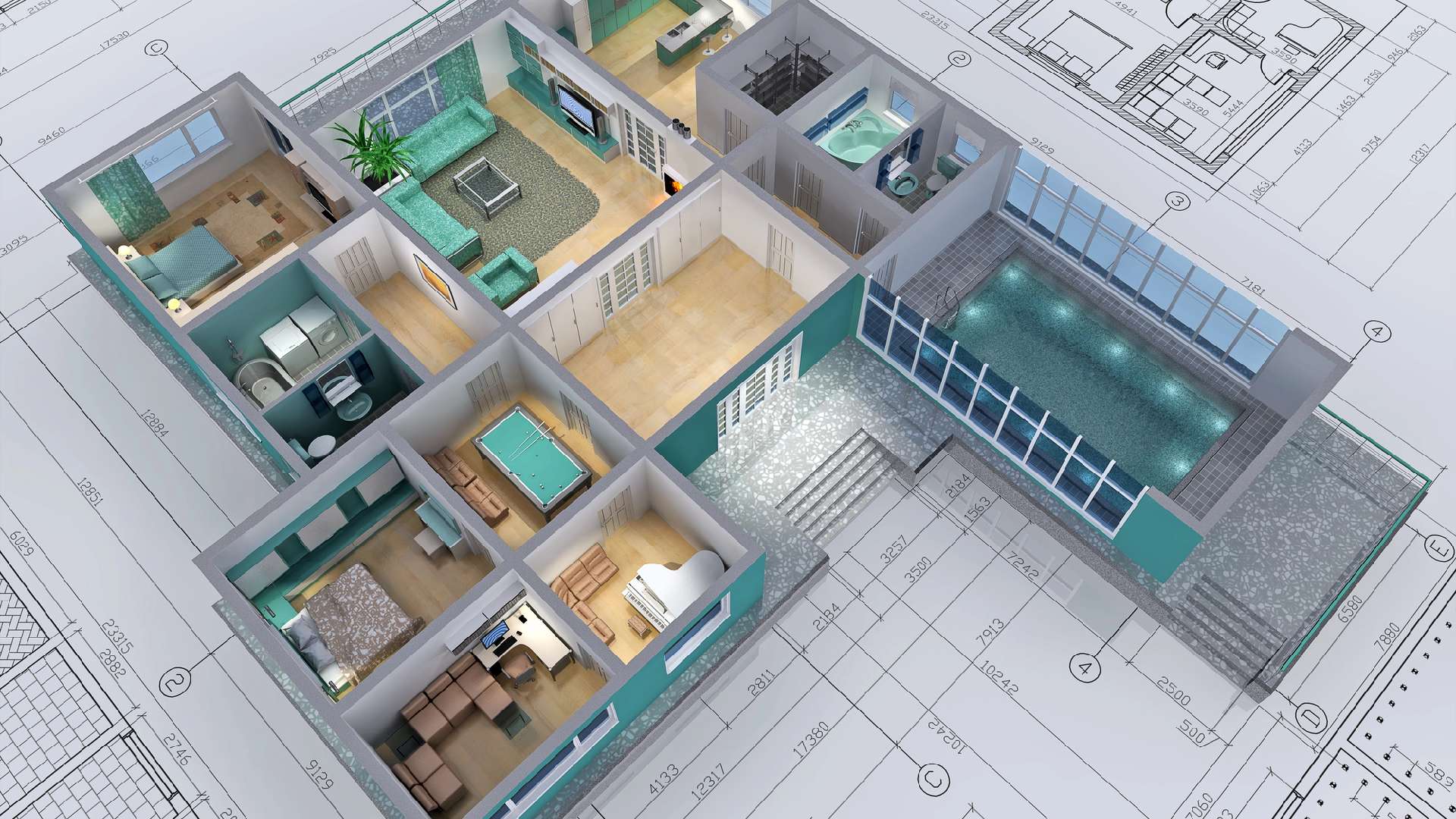
A well-run design-build process gets ahead of these constraints by developing permit-ready plans before the first demo day. That is where 3D design renderings can also help – not as a luxury, but as a tool for making decisions early, when changes are inexpensive.
How pricing really works for decks and patios
Homeowners often ask for a per-square-foot number. It is understandable, but outdoor projects rarely price cleanly that way in the Bay Area.
The big cost drivers are structure, access, and complexity. A small elevated deck with complicated stairs, tight access through a side yard, and a custom railing can cost more than a larger, simple platform. The same goes for patios: drainage upgrades, grading, and retaining can dwarf the cost of the surface material.
You will also see pricing move based on:
- Demo and haul-away, especially when access is limited
- Electrical and plumbing extensions for lighting, heaters, or outdoor kitchens
- Premium finishes like integrated benches, planters, and pergolas
The most reliable way to protect your budget is to get clear on scope early and demand line-item transparency: what is included, what is an allowance, and what would be considered an upgrade.
Questions to ask before you sign
A confident contractor will welcome detailed questions, because clarity prevents conflict.
Ask who is managing your project day to day, how often you will receive updates, and what the change-order process looks like if you adjust scope midstream. Ask how they handle waterproofing where a deck meets the house, what their approach is to drainage, and whether they anticipate engineering.
Also ask about the build schedule in real terms: When do materials get ordered? What causes the most common delays? How do inspections get scheduled? You are not being difficult – you are advocating for a smooth experience.
A design-build approach: fewer gaps, better accountability
Decks and patios sit at the intersection of design and construction. When those teams are disconnected, you feel it: beautiful concepts that ignore grading, or efficient builds that look like an afterthought.
A design-build contractor closes that gap by aligning aesthetics, structure, and permitting early. That is especially valuable when the outdoor project is tied to an interior remodel, like a kitchen that now needs a new indoor-outdoor flow.
If you want a guided, design-forward process for a deck or patio in the Bay Area, Clever Design & Remodeling builds projects with in-house design, coordinated engineering, and permit-ready planning – so the finished space looks intentional, not improvised.
When you should wait – and when you should move
Sometimes the smartest decision is timing.
If you are heading into the wet season and your site needs major grading or concrete work, it may be worth planning now and building when conditions are more predictable. If you are renovating the interior soon, you may want to coordinate scopes so the exterior thresholds, finishes, and door locations align.
On the other hand, if your existing deck is structurally compromised, delaying can create safety risks and higher repair costs. And if you are planning to sell in the next few years, a well-designed outdoor space can be a real value lever in Bay Area real estate – as long as it looks cohesive with the home.
A great outdoor project is not just “done.” It feels like it was always meant to be there – an extension of how you live, with the structure to last and the details to make you want to step outside every day.