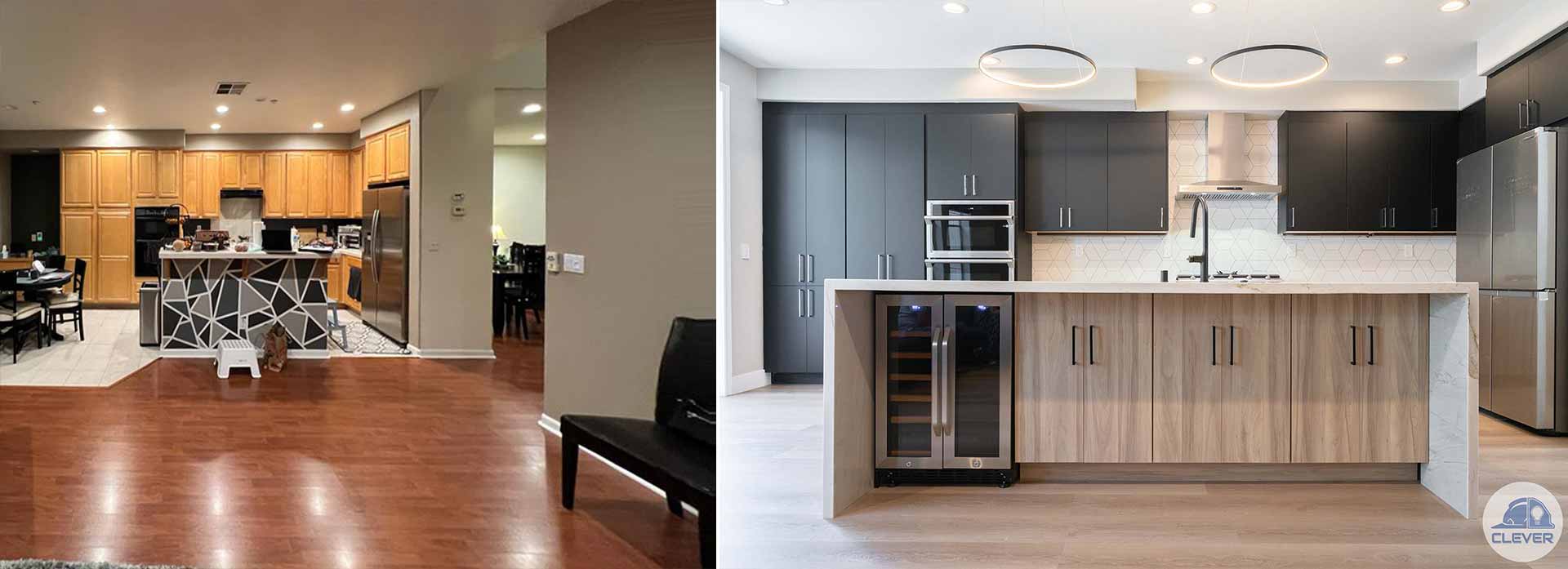

The real test of a kitchen remodel is not the reveal day. It is the first busy Monday morning after completion, when two people are making coffee, packing lunches, opening drawers, and moving through the room without bumping into each other. That is where a bay area kitchen remodel case study becomes useful – not as a gallery of pretty finishes, but as a clear look at what changed, why it worked, and what homeowners should expect from a design-build process.
In this example, the homeowners were a professional couple living in an older home with a kitchen that had good square footage but poor performance. The room felt boxed in, storage was scattered, and the layout forced constant backtracking. One person cooking meant another person had to wait. Counter space was limited where it mattered most, and the existing finishes made the kitchen feel darker and smaller than it actually was.
They were not looking for a cosmetic refresh. They wanted a kitchen that felt calm, elevated, and highly functional, while still respecting the character of the home. Just as important, they wanted one accountable team to guide design, permitting, material selections, and construction with upfront communication from start to finish.
What the homeowners were really trying to solve
Most kitchen remodels begin with a wish list, but the better ones begin with friction points. In this case, the frustration was not just old cabinetry or dated countertops. The deeper issue was that the kitchen had never been designed for the way the family actually lived.
The original layout placed the refrigerator in a pinch point, so traffic cut directly through the main prep zone. Upper cabinets felt bulky, yet there was still not enough usable storage for small appliances and pantry goods. The sink location limited workspace on both sides, and poor lighting made evening cooking less comfortable than it should have been.
Like many Bay Area homes, the kitchen also had to do more than one job. It needed to support daily cooking, casual entertaining, and quick transitions between school, work, and family routines. That meant aesthetics mattered, but flow mattered even more.
Bay area kitchen remodel case study: the design strategy
The breakthrough came when the project was approached as a planning challenge first and a finish-selection exercise second. That distinction matters. Beautiful materials cannot fix a weak layout.
The design strategy focused on opening circulation, building smarter storage, and creating visual quiet. Instead of trying to force every feature into the existing arrangement, the plan reorganized the room around cleaner movement paths and more intuitive work zones. The refrigerator was moved away from the central bottleneck. The sink and dishwasher were aligned to improve cleanup. Prep space was expanded where the homeowners actually used it, between the sink and cooktop rather than at the far edge of the room.
Cabinetry was redesigned to do heavier lifting. Deep drawers replaced lower cabinets in key areas, making pots, pans, and food storage easier to access. A tall pantry section consolidated dry goods and small appliances, reducing counter clutter. The island was reworked to provide seating on one side and practical storage on the other, which helped the kitchen feel more social without sacrificing utility.
Material choices followed the same logic. The homeowners wanted a modern, warm look that would age well rather than chase a short-lived trend. That led to a restrained palette: light wood tones, painted cabinetry, subtle stone movement, and layered lighting. The effect was elevated, but not precious. It felt like a hardworking kitchen with strong design discipline.
Why pre-construction made the biggest difference
The part homeowners often underestimate is the value of detailed planning before demolition starts. In a market where homes are older and surprises behind walls are common, pre-construction is where trust is earned.
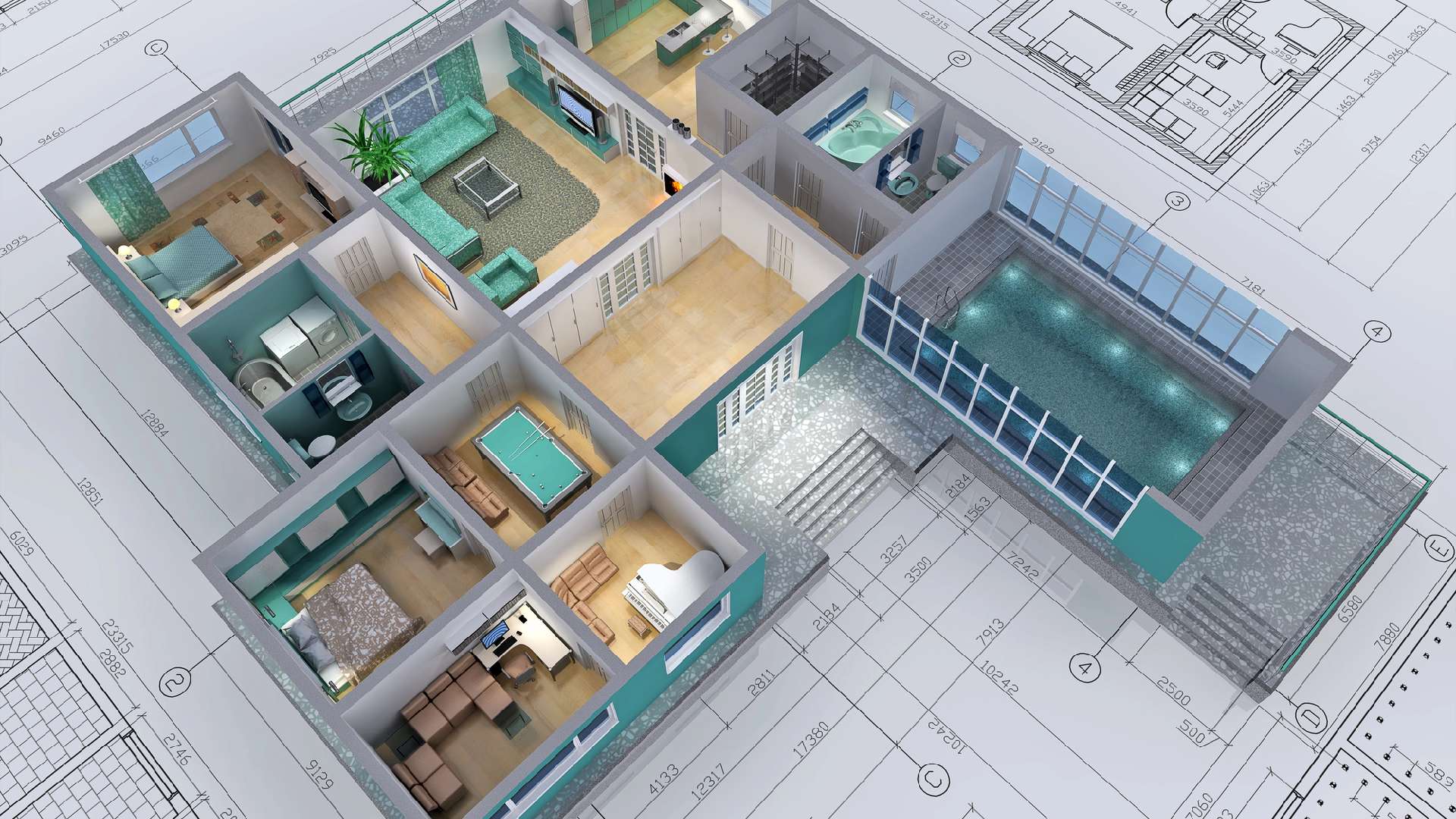
This project included measured drawings, 3D visual planning, engineering coordination, and permit-ready documentation before the build moved ahead. That process gave the homeowners clarity on layout decisions early, when changes are easier and less expensive to make. It also helped align design intent with construction realities.
For example, one early concept included a larger structural opening to connect the kitchen more dramatically to the adjacent living area. On paper, it looked appealing. Once engineering and cost implications were reviewed, the team recommended a more targeted opening that still improved sightlines and flow without adding unnecessary structural complexity. That is the kind of trade-off that protects both design quality and budget discipline.
The lighting plan is another good example. Rather than relying only on decorative fixtures, the design layered task, ambient, and accent lighting. Recessed lighting improved general visibility, under-cabinet lighting made prep work easier, and pendants added warmth over the island. The result was not just more attractive. It made the kitchen function better at different times of day.
Construction realities and how they were handled
No serious remodel is entirely friction-free, especially in older homes. During demolition, the team uncovered outdated electrical work that needed to be brought up to current code. This added scope, but it was addressed quickly and transparently.
That response matters as much as the issue itself. Homeowners can handle change when they understand what happened, what it means, and what their options are. They lose confidence when communication disappears. A disciplined design-build process should never pretend surprises do not exist. It should manage them with clear documentation, realistic scheduling, and direct conversations.
In this case, sequencing also mattered. Cabinet installation, countertop templating, tile work, and appliance delivery all had to stay coordinated to avoid downtime. Because the project had already been thoroughly planned, field decisions were limited and the schedule remained controlled.
That is one reason many homeowners prefer a single team managing both design and construction. It reduces handoff errors and keeps responsibility clear. When the designer, project manager, and builder are working from the same roadmap, the project tends to move with more confidence.
The finished kitchen and what actually improved
The completed kitchen looked dramatically different, but the real success was in how quietly it solved everyday problems. Movement through the space felt natural. Storage was easier to use. Cleanup no longer blocked cooking. The room felt brighter, even without adding major square footage.
From a design perspective, the kitchen gained a stronger architectural presence. The cabinetry fit the room rather than overwhelming it. The island became an anchor instead of an obstacle. Finishes felt cohesive and intentional, creating a space that supported both resale value and daily enjoyment.
From a practical standpoint, the homeowners gained back time and ease. That may sound small, but it is not. When a kitchen is organized around how people actually live, every routine becomes simpler. That is where the return on investment becomes tangible.
Lessons homeowners can take from this kitchen remodel case study
A good bay area kitchen remodel case study should leave homeowners with more than inspiration. It should help them ask better questions before they commit.
First, layout comes before luxury. Premium materials are worth it when the underlying plan is strong. If the kitchen still has traffic conflicts, poor storage logic, or weak lighting, expensive finishes will not fix the daily experience.
Second, transparency during design saves stress during construction. Homeowners benefit from seeing realistic drawings, understanding permit implications, and discussing trade-offs early. Not every idea needs to be removed from the plan, but every idea should be tested against structure, cost, and long-term function.
Third, the best remodels balance personality with restraint. A kitchen should feel personal, but it should also hold up over time. That often means investing in layout, cabinetry quality, lighting, and durable surfaces before reaching for trend-driven details.
For homeowners in Santa Clara County, San Mateo County, and Alameda County, that balance is especially relevant. Property values are high, homes vary widely in age and condition, and remodeling decisions carry both emotional and financial weight. A thoughtful process protects both.
At its best, a kitchen remodel is not about making a home look newer. It is about creating a space that feels more intelligent, more supportive, and more aligned with the life happening inside it. If you are planning your own project, start by paying attention to the friction in your current kitchen. That is usually where the best design begins.