
A well-designed ADU in 2026 will not feel like a backup structure tucked behind the main house. It will feel intentional, highly livable, and closely tailored to the way a household actually works. That shift is what makes adu design trends 2026 worth paying attention to. Homeowners are no longer asking only how to add square footage. They are asking how to make every inch perform beautifully, support long-term flexibility, and hold its value in a demanding real estate market.
In the Bay Area, that question carries even more weight. Lot constraints, aging homes, multigenerational living, and rental potential all shape what good ADU design looks like. The strongest projects are not chasing trends for their own sake. They are using design to solve real problems while keeping construction, permitting, and future use in clear view.
ADU design trends 2026 start with flexibility
The biggest design move heading into 2026 is not a style choice. It is flexibility. More homeowners want an ADU that can shift from one purpose to another over time – a home office today, a guest suite next year, a rental later, or a private space for family down the line.
That changes the planning conversation from the start. A single-use layout can look efficient on paper, but it often limits long-term value. A more adaptable plan might include a sleeping area with privacy from the main living space, a full bath instead of a powder room, or storage built around changing needs rather than a fixed furniture plan.
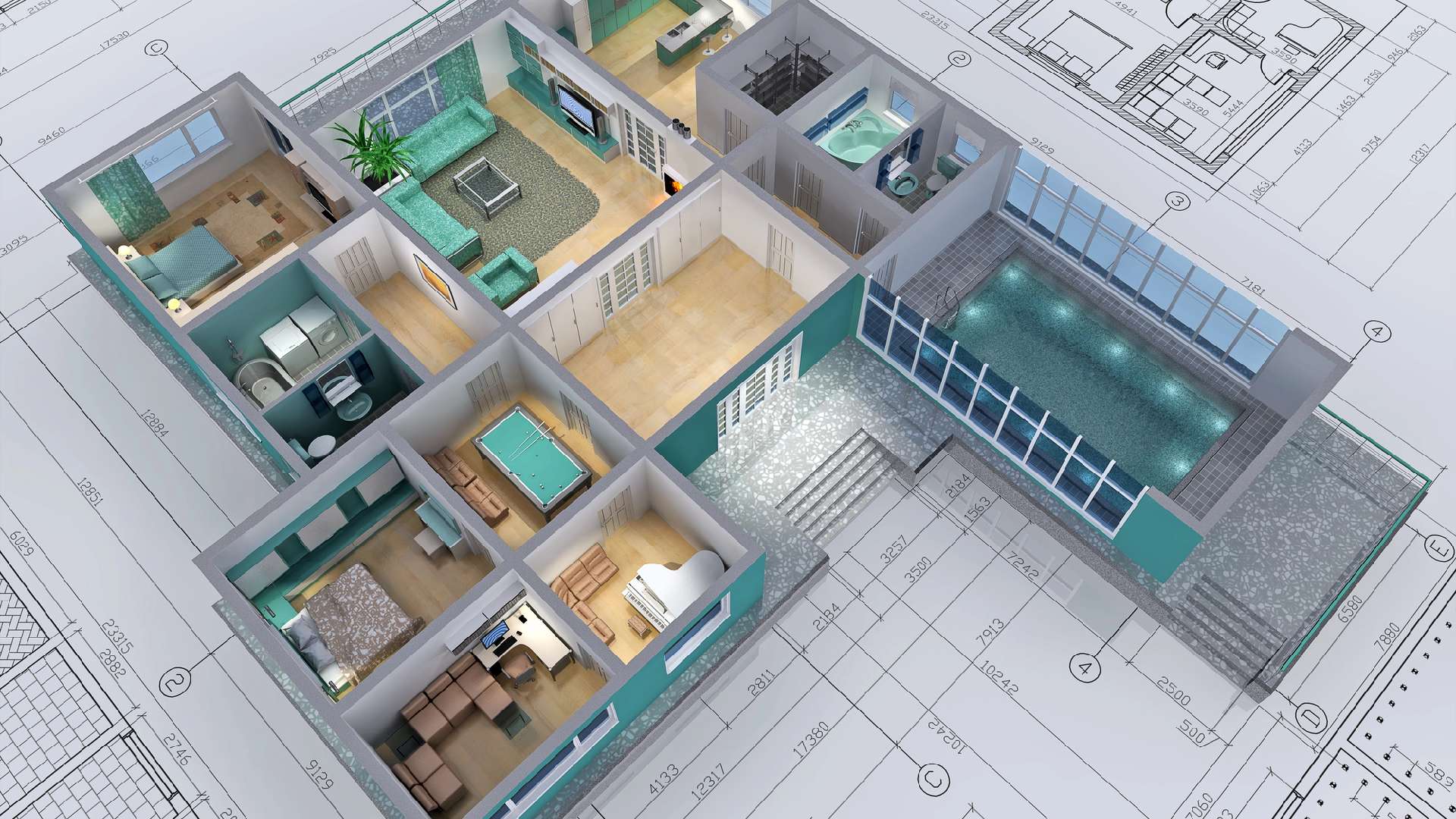
This is where thoughtful design matters more than square footage alone. A 500-square-foot ADU with a strong layout often lives better than a larger unit with awkward circulation. Homeowners who invest early in floor plan testing and 3D design review usually make better choices because they can see how the space will actually function before construction begins.
Smaller footprints, better living
ADUs are still compact by nature, but the design language is becoming calmer and more architectural. Instead of packing in visual features to make a small space feel special, 2026 favors restraint. Cleaner lines, fewer material transitions, and stronger built-in elements make an ADU feel larger and more refined.
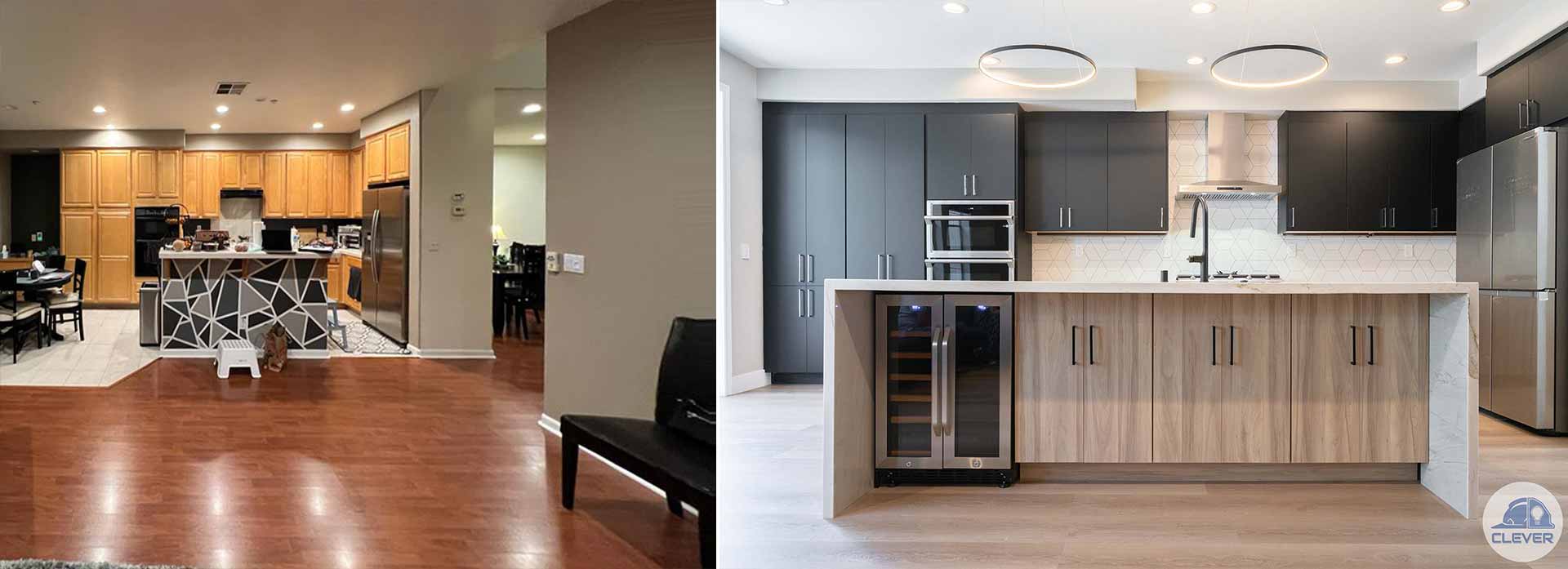
That often shows up in kitchens first. Expect to see slimmer profiles, integrated appliances, panel-ready storage, and cabinetry that reads more like furniture than standard millwork. In bathrooms, floating vanities, large-format tile, and frameless glass continue to lead because they reduce visual clutter.
There is a practical side to this trend. Simpler detailing can improve both durability and maintenance. It can also help keep a small unit from feeling busy. The trade-off is that minimal design only works when proportions, materials, and installation quality are handled with care. In a small footprint, every decision is more visible.
Built-ins are replacing extra furniture
One of the clearest adu design trends 2026 is the move toward built-in solutions. Banquettes with storage, integrated desks, wall beds, custom closets, and media walls are becoming standard in better-planned units.
This is not just about aesthetics. Built-ins reduce the need for oversized furniture, improve circulation, and make compact rooms feel intentional instead of compromised. They also help homeowners tailor the ADU to a specific user without making the space too rigid. A built-in desk, for example, can support remote work now and still function as a landing zone or vanity later.
Privacy is becoming a design feature
As more ADUs are built for family, long-term guests, or rental income, privacy is no longer an afterthought. In 2026, smarter site planning is becoming just as important as interior planning.
That can mean orienting windows away from the main home, using clerestory glass where light is needed but direct views are not, or shaping outdoor areas so each structure has its own sense of territory. Entry placement matters too. A front door that feels clear and welcoming without putting one household directly on display tends to create a better everyday experience.
This is one of those areas where trends need to respond to the property, not the other way around. A narrow lot in Santa Clara County may require a different privacy strategy than a deeper backyard in Alameda County. Good design-build planning accounts for those differences early, before engineering and permit documents are finalized.
Natural light, but with more control
Natural light remains a priority, but the approach is maturing. The goal is no longer to add as much glass as possible. It is to bring in light in ways that support comfort, energy performance, and privacy.
That means more carefully placed windows, larger openings where they frame a yard or patio, and fewer unnecessary exposures that create heat gain or compromise furnishing options. Skylights and high windows are also staying relevant, especially when they help brighten central areas without sacrificing wall space.
In practice, this trend favors balance. A wall of glass can look striking, but it may not be the best answer for every ADU. Bay Area homeowners are increasingly aware that beautiful design also has to perform on warm afternoons, cool evenings, and through changing household needs.
Outdoor connection still matters
Even a modest ADU feels more generous when it connects well to the outside. In 2026, that connection is becoming more curated. Instead of adding a door to a leftover yard area, homeowners are carving out small but purposeful exterior zones – a private patio, a dining nook, a low-maintenance garden edge, or a screened seating area.
These spaces do not need to be large to add real value. They need to feel integrated with the architecture and useful in daily life. The strongest projects treat the landscape, walkway, and entry sequence as part of the design rather than an afterthought at the end of construction.
Warmer modern materials are taking over
The cool gray palette that dominated many compact living spaces is fading. In its place, 2026 ADUs are leaning warmer, quieter, and more tactile. Homeowners are choosing natural oak tones, soft white walls, muted earth colors, textured tile, and finishes that feel grounded rather than stark.
This does not mean traditional styling is replacing modern design. It means modern spaces are becoming more livable. Cleaner forms are still popular, but they are being softened with material choices that add warmth and depth.
For property owners thinking about long-term resale, this is a smart direction. Highly specific finishes can date quickly, while warm neutrals and quality materials tend to age better. The key is avoiding anything too flat or generic. A restrained palette still needs contrast, texture, and thoughtful detailing to feel elevated.
Kitchens and baths are becoming more residential
Another notable shift is that ADU kitchens and baths are starting to feel less like secondary spaces. Homeowners want them to carry the same design integrity as the main residence, even if the scale is smaller.
In kitchens, that means better cabinetry design, more considered lighting, and layouts that prioritize real cooking rather than token appliances. In bathrooms, it means larger showers when possible, improved storage, and finish selections that feel calm and complete instead of strictly budget-driven.
Of course, there is always a cost conversation here. Not every ADU needs luxury materials throughout. But cutting too many corners in kitchens and baths can hurt both daily comfort and perceived value. The smarter approach is usually to invest in the surfaces and fixtures that get used most, while simplifying elsewhere.
Smarter utility planning is shaping design
Some of the most influential trends are the ones homeowners do not immediately see. Mechanical layout, electrical planning, laundry placement, sound control, and storage are all getting more attention because ADUs are expected to function like full homes, not temporary overflow spaces.
This affects design in direct ways. A stacked laundry closet may free up more living area than a side-by-side setup. Better sound insulation may be worth the investment if the ADU will house family or tenants. Utility placement can influence bathroom and kitchen locations, which in turn affects cost and permitting complexity.
A design-forward project has to respect those realities. This is where a structured pre-construction process makes a difference. When design, engineering coordination, and permit readiness are aligned early, homeowners can make choices that are both beautiful and buildable.
What homeowners should take from ADU design trends 2026
The most valuable trend for 2026 is not any single finish, window style, or cabinetry color. It is the move toward more intentional planning. Better ADUs are being designed from the inside out – around daily routines, future flexibility, site conditions, and construction realities.
For homeowners, that means the early phase matters more than ever. Before selecting finishes, it helps to get clear on who will use the ADU, how that use might change, and where investment will create the best return in comfort and value. A beautiful rendering is helpful, but the real goal is a finished space that works just as well five years from now as it does on move-in day.
The right ADU should feel like it belongs to your property, your lifestyle, and your long-term plans. Trends can point the way, but the best results come from turning those ideas into a space that is personal, practical, and built with care.