
A beautiful remodel can make your home feel better the moment construction wraps. But if resale is part of the equation, the smartest decisions usually happen much earlier – at the planning table, not in the finish aisle. The best upgrades for resale value are the ones that improve how a home lives, photograph well, and make sense for the neighborhood around it.
That last point matters in the Bay Area. Buyers here tend to notice layout efficiency, natural light, storage, legal square footage, and the overall quality of execution. They also know when a home has been over-customized or when the finishes look expensive but the floor plan still feels unresolved. If you want to invest wisely, focus on upgrades that bring design and function into alignment.
What buyers actually pay more for
Resale value is rarely driven by one flashy feature. In most homes, it comes from a collection of decisions that make the property feel more complete, current, and easy to move into. Buyers pay for kitchens that work, bathrooms that feel clean and intentional, and spaces that solve real life problems like working from home, hosting family, or creating more usable living area.
They also pay for confidence. A well-designed project signals that the home has been cared for. Clean detailing, permit-ready planning, durable materials, and a cohesive aesthetic all reduce the sense that hidden problems are waiting behind the walls. That is one reason design-build remodeling tends to perform well for resale – it creates visible quality and operational credibility at the same time.
1. Kitchen remodels still lead the list
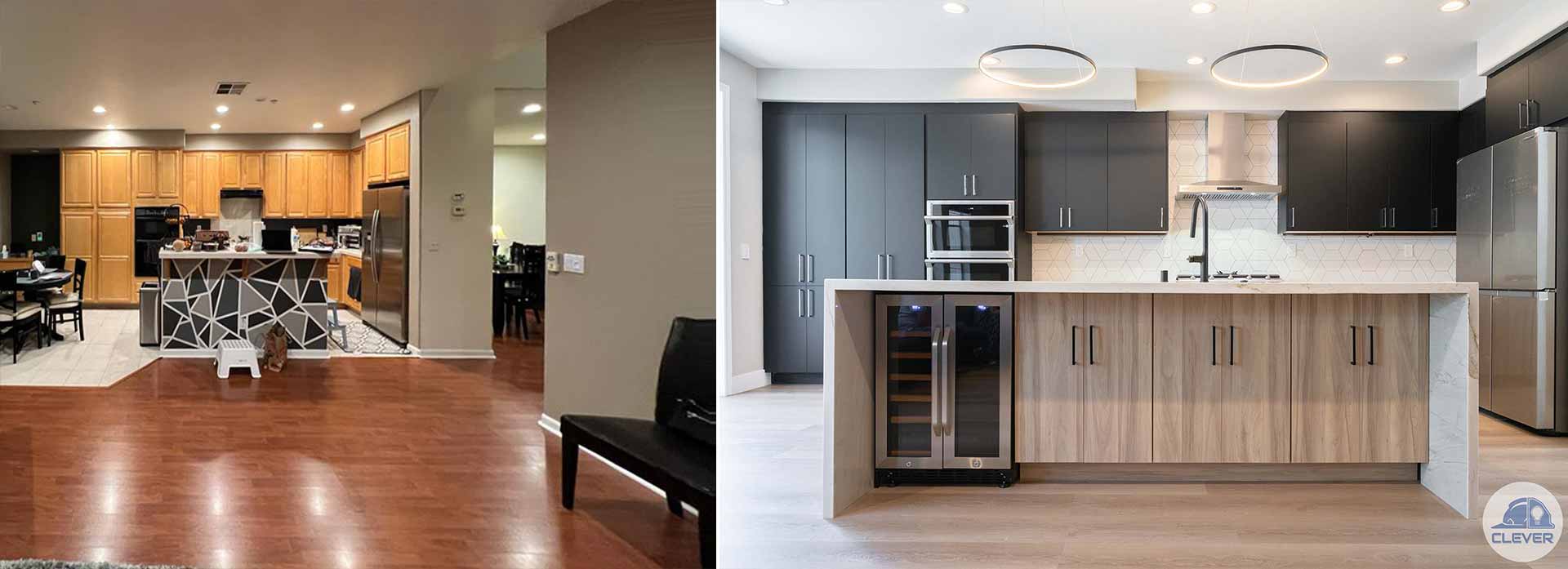
If a homeowner asks where to start, the kitchen is still one of the strongest answers. Not every kitchen needs a full gut renovation, but outdated cabinets, poor lighting, cramped circulation, or low-grade finishes can drag down the perceived value of the entire home.
The highest-return kitchen upgrades usually improve layout first. Opening a constricted work zone, adding better storage, creating room for seating, or connecting the kitchen more gracefully to the living area often matters more than chasing luxury appliances. Buyers tend to respond to kitchens that feel bright, organized, and easy to use.
Material choices matter too. Quartz counters, quality cabinetry, under-cabinet lighting, and a balanced mix of texture and simplicity tend to age well. What does not always help resale is going too niche. Bold statement tile, unusual color palettes, or ultra-personalized fixtures can be beautiful, but they narrow the pool if they overwhelm the room.
The trade-off in a high-end kitchen
A premium kitchen can absolutely help a Bay Area home sell, especially in markets where buyer expectations are already elevated. But there is a ceiling. If the rest of the house feels dated, a luxury kitchen alone may not return what you spent. The best result comes when the kitchen feels consistent with the level of the home.
2. Bathroom upgrades deliver outsized impact
Bathrooms do not need to be enormous to add value. They need to feel intentional, clean, and thoughtfully finished. Buyers often read a dated bathroom as a future project, which means they mentally subtract cost and inconvenience from their offer.
A well-executed bathroom remodel improves daily use and strengthens resale at the same time. Walk-in showers with frameless glass, better lighting, modern vanities, and durable tile can shift the entire impression of a home. In older housing stock, even small moves like improving ventilation and adding storage can make a noticeable difference.
There is also a practical side to bathroom value. In many homes, adding a bathroom or converting an awkward half bath into a more functional full bath can make the property far more competitive. That is especially true for households thinking about multigenerational living or guest flexibility.
3. Layout improvements often beat cosmetic updates
Some of the best upgrades for resale value are not the most visible in a listing photo. Reworking an inefficient floor plan, improving circulation, or creating better separation between public and private zones can change how a home feels in a lasting way.
This could mean removing a non-structural wall, widening an opening, reconfiguring a tight kitchen, or turning dead space into storage. In homes where every square foot counts, layout is value. Buyers notice when rooms connect naturally and when spaces support modern living rather than forcing workarounds.
Why layout matters so much in older homes
Many homes across Santa Clara, San Mateo, and Alameda counties were built for a different era. Smaller kitchens, compartmentalized rooms, and limited storage can make a house feel older than it is. Thoughtful reconfiguration helps preserve character while making the home perform better for how people live now.
4. Adding legal living space can be a major value driver
When the lot, budget, and local regulations support it, added square footage can be one of the strongest investments available. Room additions, expanded primary suites, and well-planned ADUs can all improve resale by increasing utility and broadening buyer appeal.
This is where strategy matters. Added space should solve a real need, not just make the home bigger on paper. A family room that creates flow, a primary suite that brings privacy, or an ADU that supports rental income, guests, or extended family can be much more compelling than a vague bonus room.
In the Bay Area, legal and permit-ready execution is especially important. Buyers and appraisers respond differently to square footage that is properly designed, documented, and integrated into the home. A polished addition that feels original to the house tends to outperform one that feels tacked on.
5. Curb appeal and exterior upgrades shape first impressions
Resale value starts before the front door opens. Exterior condition influences how buyers interpret everything that follows. If the outside feels neglected, they assume the same about the rest of the property.
That does not mean every home needs a dramatic facade overhaul. Fresh paint, updated entry details, modernized lighting, improved landscaping, and a stronger front path can all sharpen perceived value. Decks and patios can help as well, especially when they create usable outdoor living space rather than just occupying the yard.
For homes in mild California climates, outdoor areas often carry more weight than homeowners expect. Buyers imagine where they will gather, work, and relax. A clean, well-built exterior project adds emotional appeal while showing that the home has been maintained with care.
6. Energy efficiency and comfort upgrades matter more than they used to
Not every resale upgrade needs to be glamorous. Better windows, insulation, HVAC improvements, and efficient lighting may not dominate the listing photos, but they can strengthen buyer confidence and reduce objections during inspections.
This category is especially valuable when paired with visible design improvements. A home that looks updated and feels comfortable tends to stand apart. Buyers appreciate spaces that stay temperate, feel quiet, and reflect lower future maintenance.
The key is balance. If the budget is limited, foundational performance upgrades should support – not completely replace – the visual improvements buyers can see. Hidden value is real, but visible value often drives the first emotional response.
7. Whole-home consistency can raise value more than one standout room
A common mistake is renovating one room to a very high standard while leaving everything around it untouched. The result can feel uneven. Buyers walk from a polished kitchen into dated hallways, old doors, worn flooring, and mismatched trim, and the home loses momentum.
A cohesive whole-home renovation often creates stronger resale positioning because it removes friction. Flooring flows. Paint colors make sense together. Lighting feels intentional. The architecture and finishes speak the same language. That kind of consistency photographs better, shows better, and helps buyers imagine moving in without a long to-do list.
When a phased approach still works
Not every homeowner wants or needs a full-home remodel. A phased plan can still deliver strong value if each project fits into a larger vision. This is where a design-forward process helps. When selections, proportions, and long-term goals are aligned from the start, even separate projects can feel unified over time.
How to choose the right resale upgrades for your home
The right project depends on your timeline, neighborhood, and how long you plan to stay. If a sale is close, prioritize updates with broad appeal and clear visual impact. If you expect to stay several years, it often makes sense to invest in deeper improvements that enhance both daily life and future marketability.
It also depends on what your home is missing. In one house, the smartest move is a kitchen remodel. In another, it is adding a second bathroom, improving indoor-outdoor flow, or creating legal flexible space. The strongest renovation decisions come from understanding the house as a whole rather than treating upgrades as isolated features.
That is why planning matters so much. At Clever Design & Remodeling, we see the best outcomes when homeowners make decisions through the lens of design, construction feasibility, and resale logic at the same time. It is not just about choosing beautiful materials. It is about building the right version of the home for the market and for your life before the sale ever happens.
If you are investing with one eye on resale, think beyond what looks impressive for a weekend. The upgrades that hold value are the ones that make your home easier to live in, easier to trust, and easier for the next buyer to say yes to.